
Introduction
Glass as a material is an integral part of design and architecture throughout the world. Yet its transparent nature, which is what makes it useful and aesthetically pleasing, has also led to some dangers due to its poor visibility. This issue is especially highlighted in our paediatric population. Traumatic glass injuries can lead to blunt and sharp force trauma, and with sufficient force can lead to life threatening injuries of deeper organs.
Recognizing that glass injuries, similar to traumatic injuries, amongst the paediatric population are largely unintentional and that the cause may not be preventable, this study aims to identify risk factors associated with severity of glass injuries with the goal of minimising injury severity instead (Chow et al., n.d.; Tiruneh et al. 2017). The discussion segment will go a step further to assess if there are potential measures that can be taken to mitigate these risk factors to reduce the severity of injury.
Materials and Methods
Study design and Participants
This is a retrospective study with data collection conducted at a tertiary paediatric hospital.
Patients seen at a tertiary paediatric hospital for glass related injury from 1st January 2017 to 4th July 2023 were included in the study.
Data collection and extraction
Data collection was performed through accessing electronic hospital health records that contained medical notes of patients and their respective visits to the hospital. The date range for medical notes reviewed ranges from 1st January 2017 to 4th July 2023.
Medical notes containing information of the patient’s injury and relevant outcome measures were were reviewed from their first visit until their point of discharge, or up till the end period of data collection whichever later.
The inclusion criteria for the study is listed as follows: Isolated glass related Injuries, patients must be 18 years and below.
The exclusion criteria for the study is listed as follows: Patients did not receive full treatment at the hospital, Patients rejected medical attention and were lost to follow up, Patients were injured by the non-glass portion of a glass object (e.g. wooden frame of a mirror).
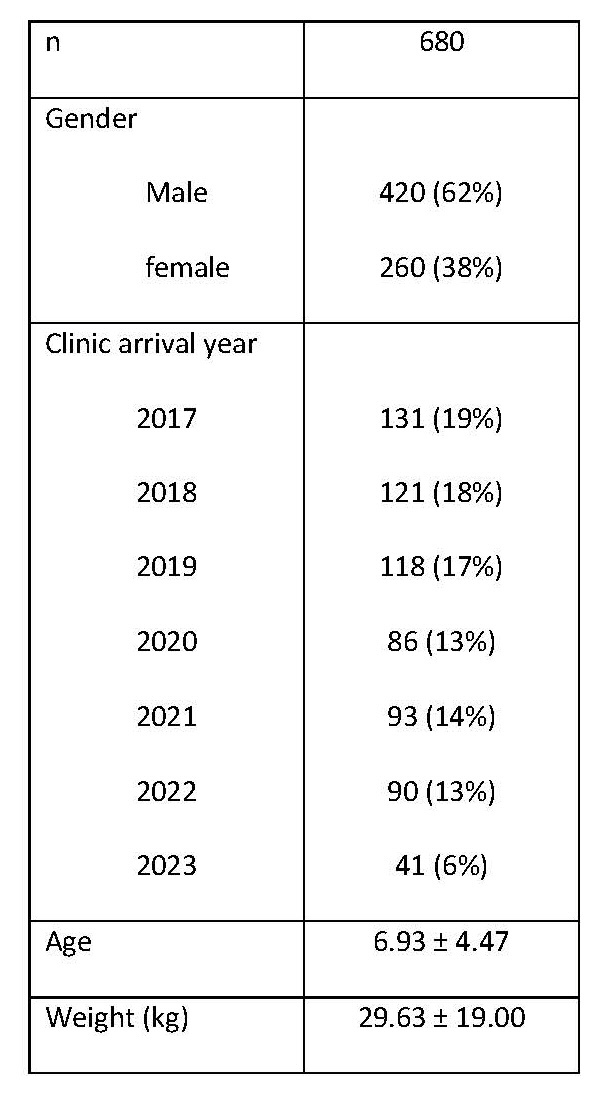
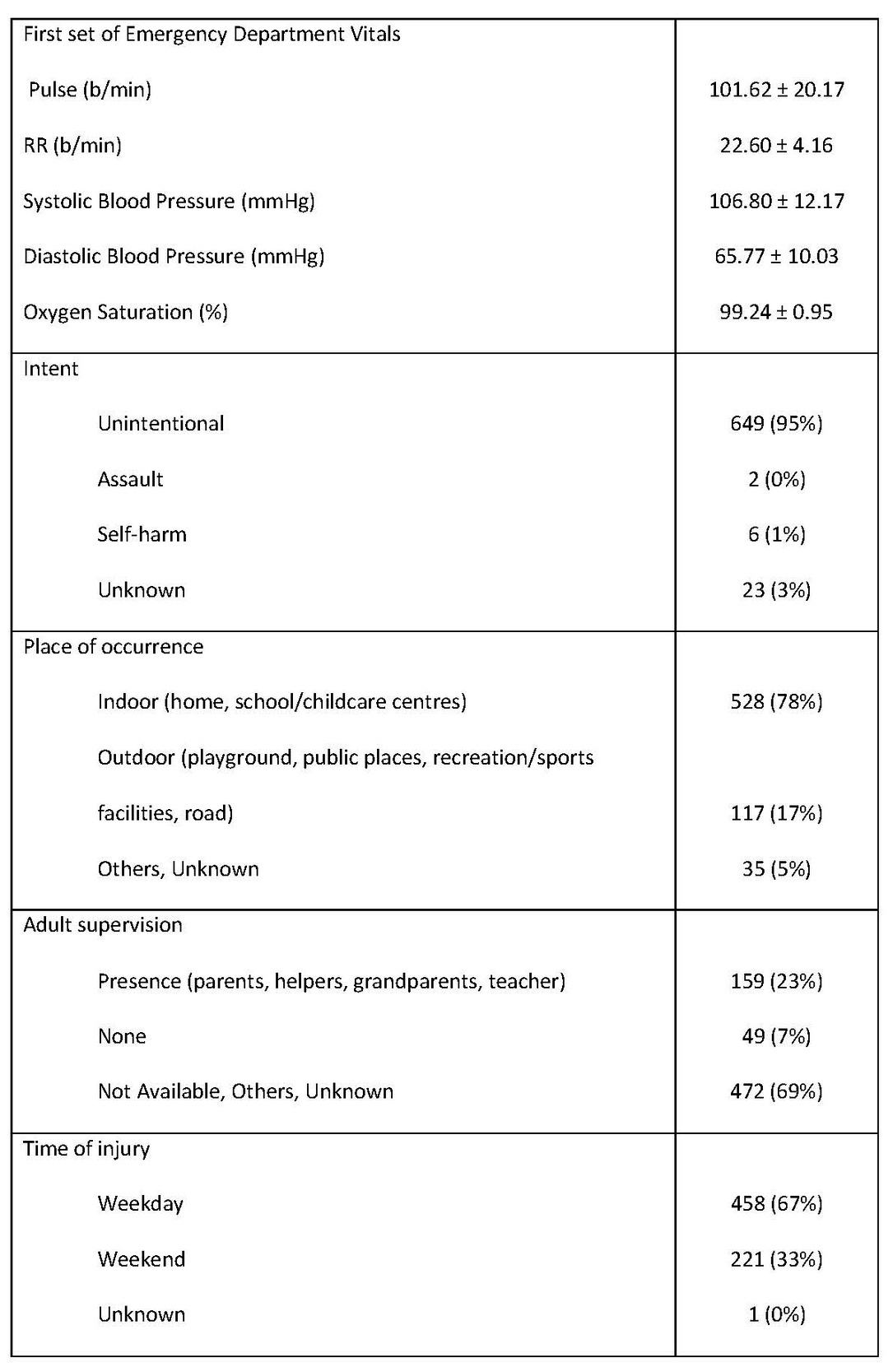
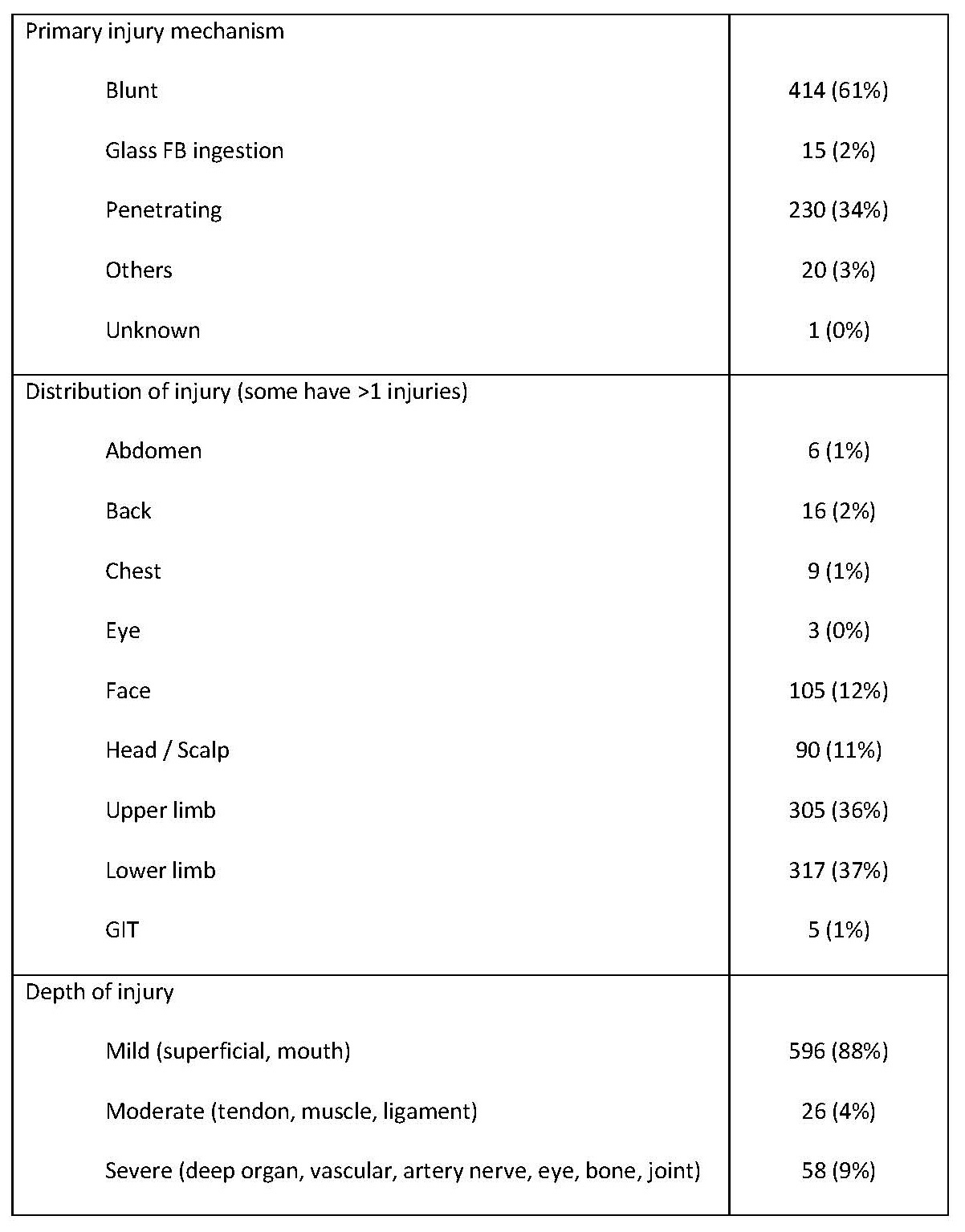
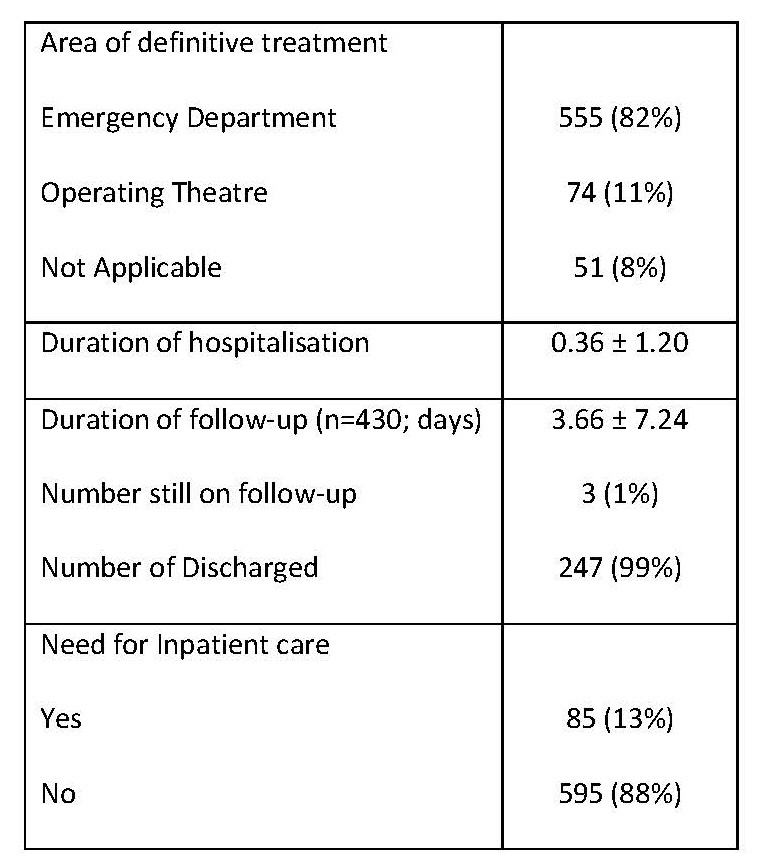
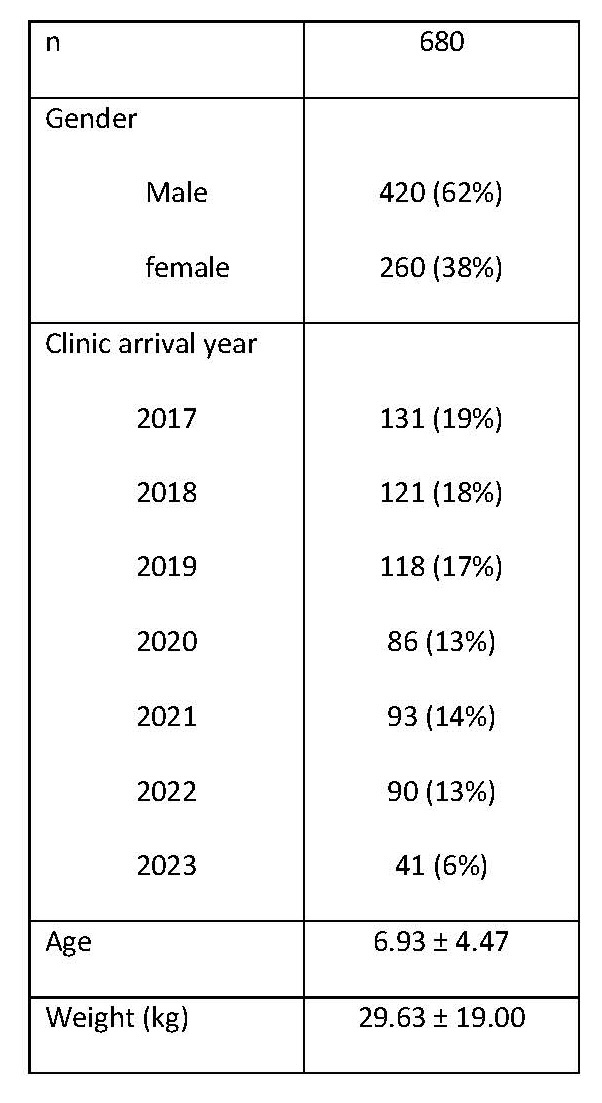
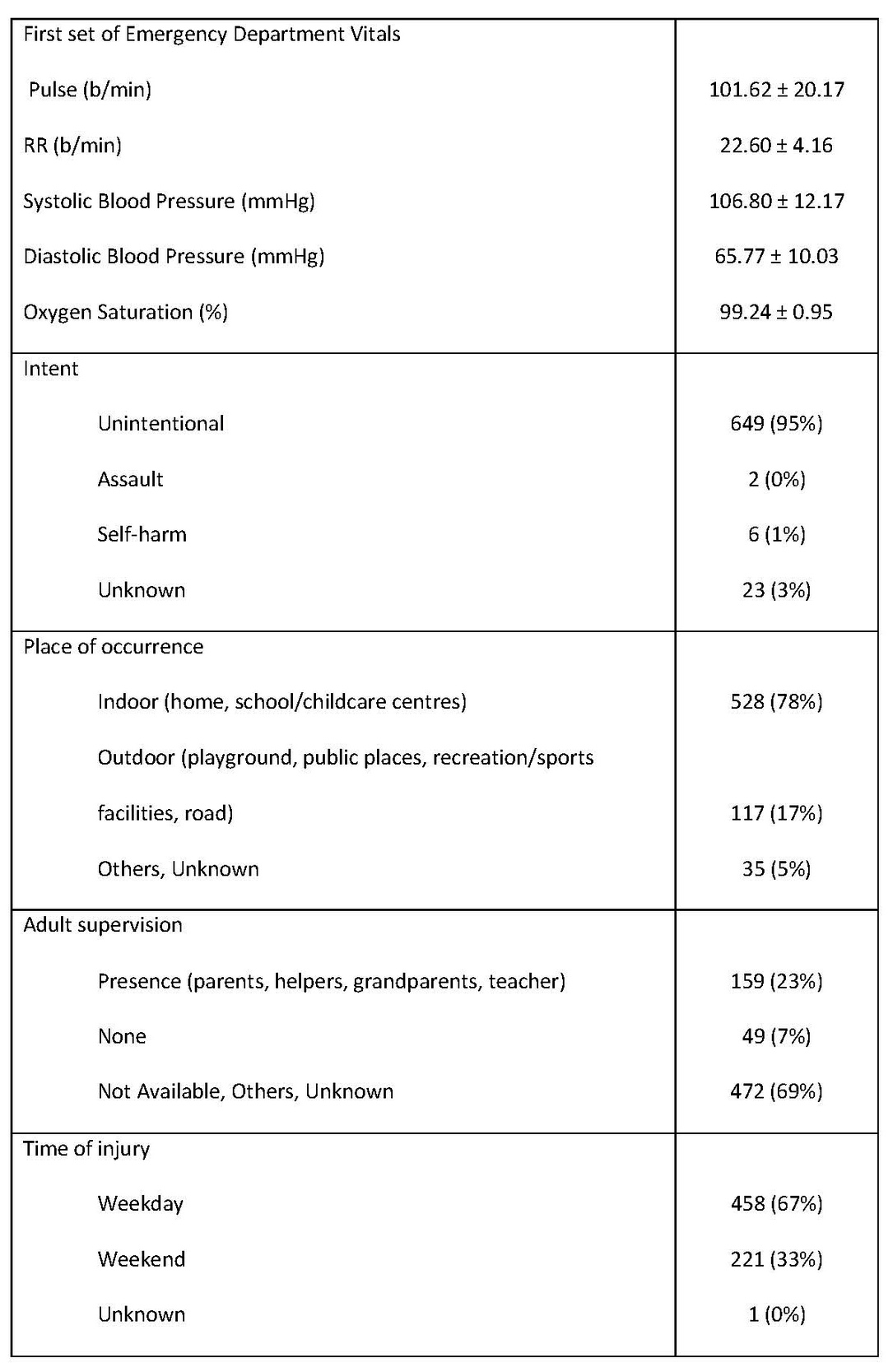
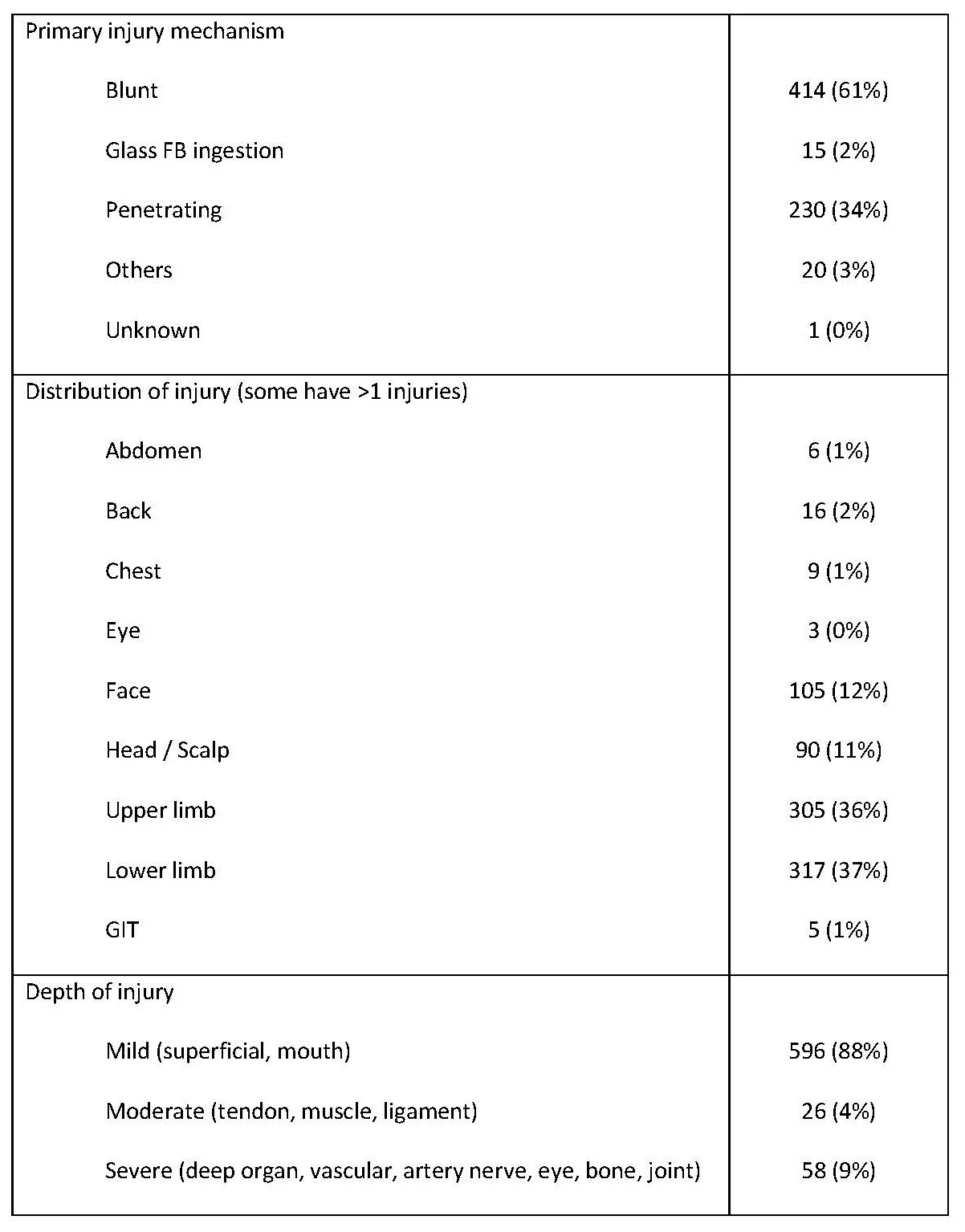
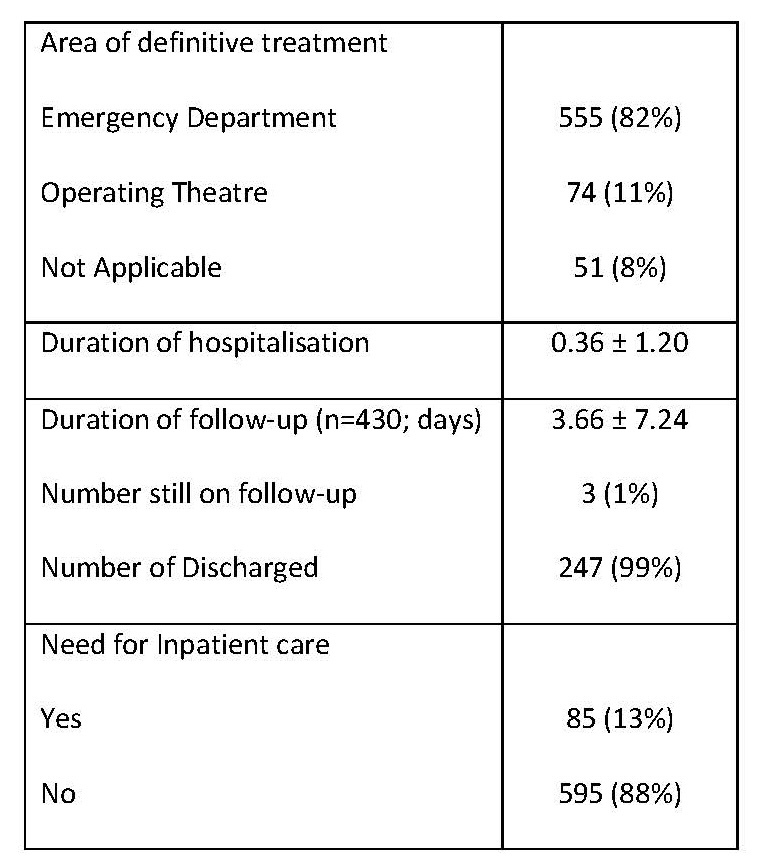
We categorized the study population into gender, age, body weight, place of occurrence and presence of adult supervision in order to identify possible risk factors. Indicators of injury severity identified to be studied are depth of injury, need for inpatient care and length of hospitalisation (Kashkooe, Yadollahi, and Pazhuheian 2020). Data collected were categorized into “patient characteristics” in Table I, “trauma characteristics” in Table II and “treatment types and outcome” in Table III.
Data analysis
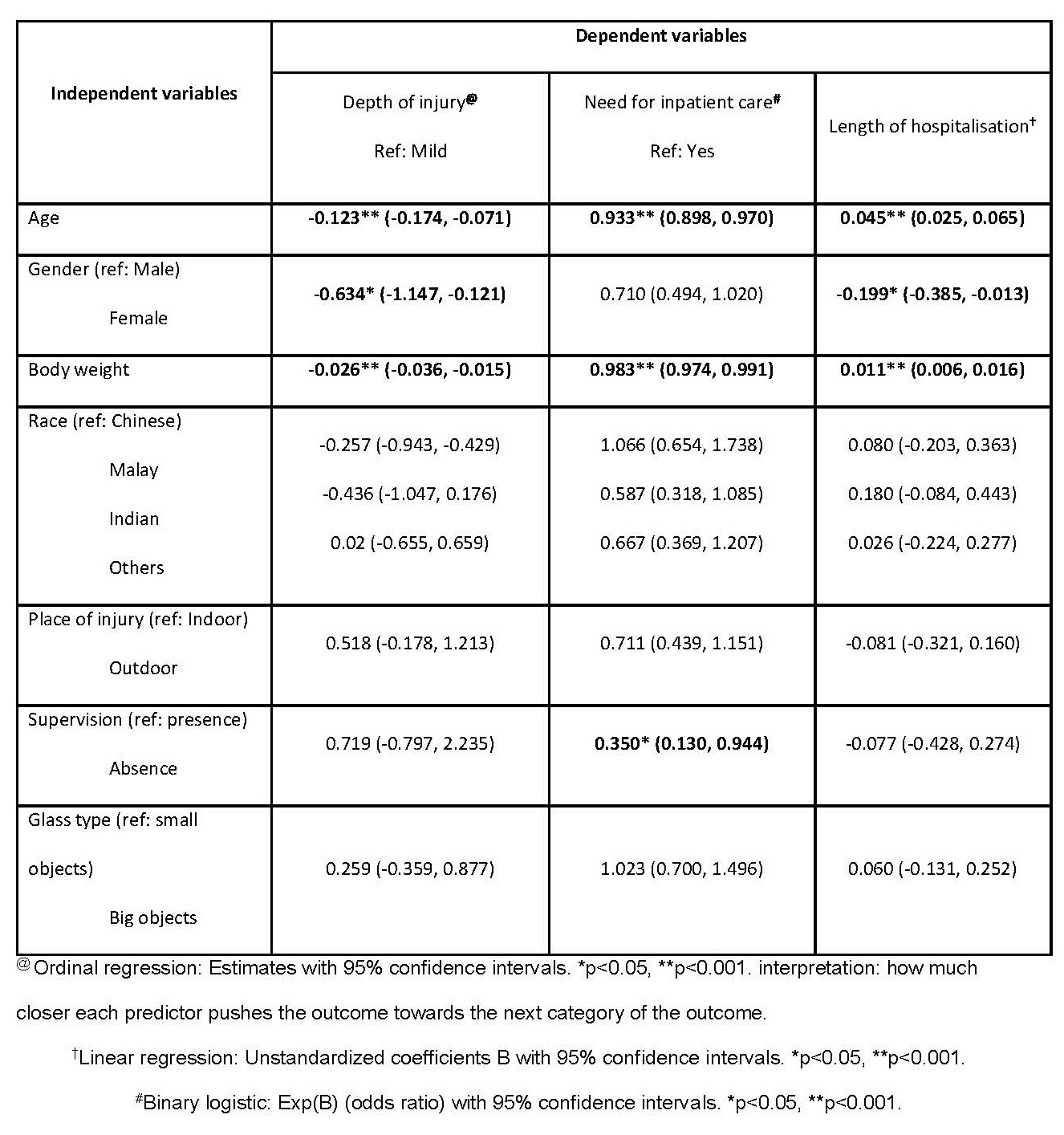
Categorical variables were expressed in counts and percentages (n, %); continuous variables were expressed in mean and standard deviation (SD). Ordinal regression analysis was used to predict depth of injury (reference group: none or mild injury) and estimates were reported with 95% confidence intervals. Binary logistic regression analysis was used to predict need for inpatient care (Yes or No) and Exp(B) (odds ratio) was reported with 95% confidence intervals. Linear regression analysis was used to predict length of hospitalisation (days) and unstandardized coefficients B was reported with 95% confidence intervals. All data was analysed using the SPSS software Version 26 (IBM Inc., Chicago, IL, US). A p-value of <0.05 was considered statistically significant.
Results
Increased age, increased body weight, male gender and absence of adult supervision were identified as significant risk factors for severe glass injuries, as shown in Table IV.
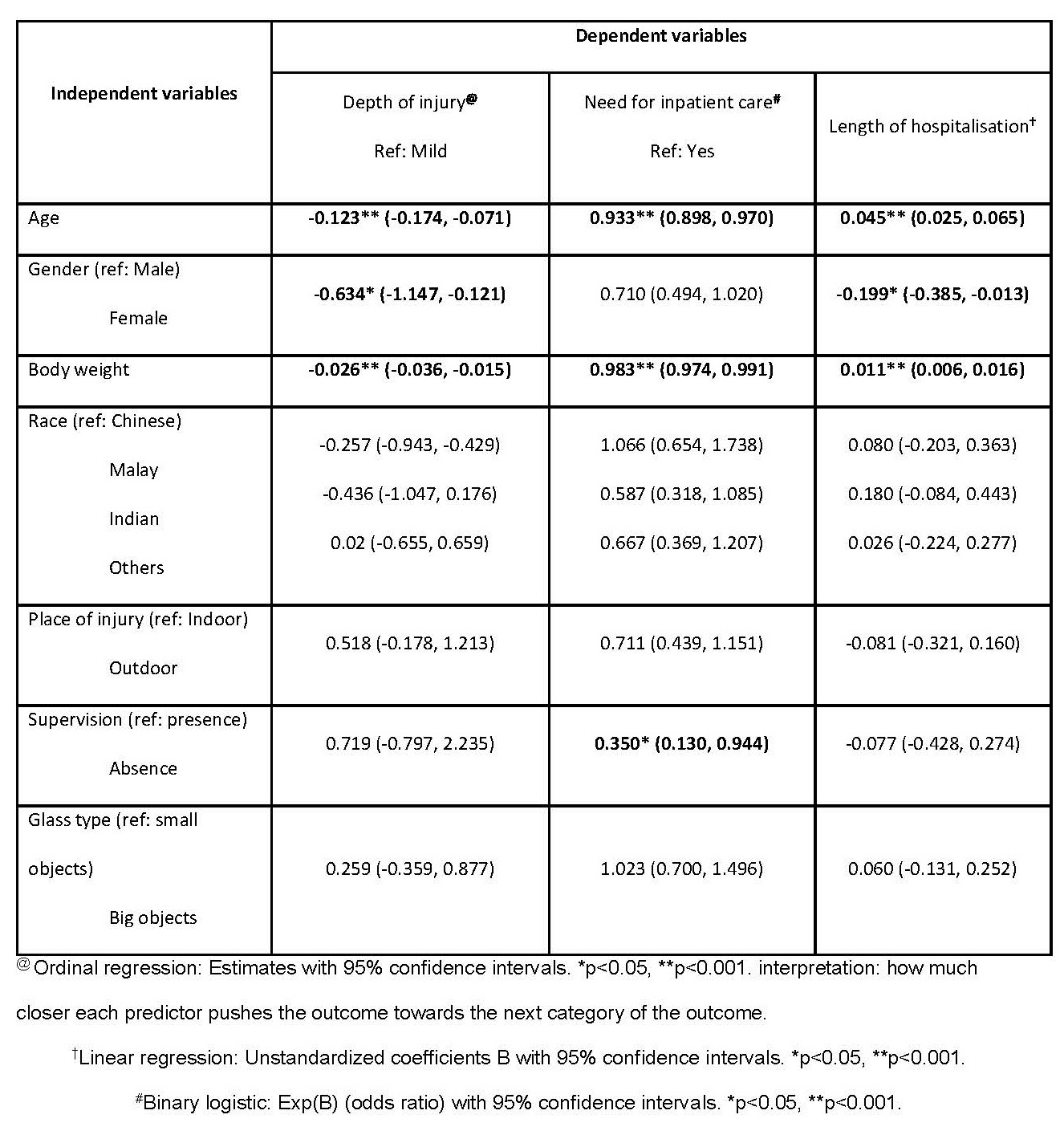
Increased age is associated with greater depth of injury (p<0.001), higher likelihood of inpatient care (p<0.001) and increased length of hospitalization (p<0.001). Increased body weight was associated with greater depth of injury (p<0.001), higher likelihood of inpatient care (p<0.001) and increased length of hospitalization (p<0.001). The female gender is associated with shallower depth of injury (p<0.05) and decreased length of hospitalization (p<0.05). Absence of adult supervision is associated with higher likelihood of inpatient care (p<0.05).
Discussion
The main risk factors linked to severity of injury (as defined in the methodology), were identified as increased age, increased body weight, male gender as well as absence of adult supervision.
Increased age and body weight were the most statistically significant risk factors found.
This segment of discussion aims to explore possible explanations as to how the risk factors lead to more severe injuries. By establishing an understanding of their correlation, our secondary aim is to find ways to reduce the severity of the injuries.
Increased age, Increased body weight
With increased age and body weight, there is increased odds of having a more severe injury. This is to be expected, as a larger body mass leads to higher momentum and hence force of impact in instances where the injury was sustained via collision of the body with the glass surface. In instances where the glass instead fell and shattered on the child without an element of momentum, a older and heavier child has a larger surface area to sustain injuries.
In the short term, reducing body weight of the population is not something we feel that can be easily targeted for the sake of reducing the severity of glass injuries, especially if the child is of normal weight or underweight. Instead, as a general guideline we recommend parents to follow the World Health Organization’s guidelines on diet, exercise and healthy living. These will help children maintain a good body weight as they age.
Male gender
Compared with the female sex, the male sex is associated with higher odds of having a severe injury and longer duration of hospitalization. They are generally more active, willing to take more risk and take part in more risky activities (Peclet et al. 1990). Previous studies have validated this finding, that male children are at higher risk of severe traumatic injuries, as compared to their female counterparts, and the same reasoning could be applied to traumatic glass injuries (Bradshaw, Bandi, and Muktar, n.d.).
A lesser depth of injury in the female paediatric population could also be explained by thicker subcutaneous skin post-puberty (Derraik et al. 2014).
For caregivers who have in their care boys (or even girls), who may be taking part in higher risk activities, we encourage strong awareness of the surrounding area and glass items that may pose a risk to the children. For example, a school must ensure that when their students go on a camping trip, there are enough teachers accompanying them and the teachers are on the lookout in unfamiliar areas for glass that can cause harm to students. On a smaller scale, parents when bringing their children to unfamiliar spaces should be aware of glass objects in the vicinity of their children and the activity level of their child.
Absence of supervision
The correlation between adult supervision by the caregiver and injuries sustained by the child has been studied on multiple occasions in past literature. Despite the complex nature in quantifying the presence and quantity of adult supervision, the findings seem to be consistent. A lack of supervision not only leads to an increased number of injuries, but also that the lower the level of supervision, the greater the odds for more severe injury (Schnitzer et al. 2015). This is in line with the findings of our paper, that absence of supervision leads to a higher likelihood of inpatient care (which is used as a marker of severity).
An additional way as to how a lack of supervision can lead to higher likelihood of inpatient care is by causing an uncertain diagnosis. As an example, some patients were admitted for monitoring as there was no way to confirm if they had ingested glass of any form, and glass could not be picked up on X-ray. Ingested glass shards can lead to internal lacerations to the gastrointestinal tract which can cause bleeding, pain and even viscus rupture. Patients are admitted for monitoring to ensure that none of the above occurs and for stools to be monitored for blood and the glass items to be passed out.
Keeping an eye on your child 24/7 is near impossible, and even doing so for the majority of the time can be extremely taxing. With this in mind, we recommend that before leaving any child unsupervised, their surroundings should always be assessed for objects that can pose a danger to them. In the case of this article all glass objects should be taken note of, even blunt glass objects as they can be shattered by blunt force especially by older more active children.
Role of Orthopedic Surgeons
This study observed majority of the trauma mechanisms being blunt and involving the limbs and joints (Table II). Noting that the more severe injuries involves the bones, tendons, and muscles, Orthopedic surgeons undoubtedly have a role to play in definitive treatment, as supported by the record of injured children (11% of study population) receiving treatment in the Operating Theatres (Table III). Finally, with the continued understanding of risk factors of glassware injuries, and the upkeeping of treatment standards in both the Emergency and Orthopedic teams, this pincer approach just might promise a better and safer environment for children.
Having established these risk factors, we recommend that age, body weight, gender and presence of supervision are considered by orthopaedic surgeons when deciding to manage the patient in the inpatient or outpatient setting. The presence of all the risk factors in conjunction with an appropriate clinical assessment should prompt the physician to admit the patient for closer monitoring, workup or surgical debridement of the wound. The same principles apply to doctors working in primary care as to whether to refer the patient to the hospital or manage the patient in the primary care setting. These recommendations are further emphasized if there are inconclusive imaging results or a wound that cannot be fully visualized and debrided during toilet and suture.
Further multi-centered prospective studies should be carried out over a longer duration with a larger study size to strongly establish the above-mentioned risk factors using multivariate analysis.
We hope that this study can be impactful by shedding light on the impact of adult supervision on children to reduce traumatic glass injuries, and hope that further research can be done to substantiate this point. Further research can also be done to assess if the material of glass (tempered, annealed, laminated etc) affects the severity of injury, or if the colour and degree of translucency of glass affect a child’s awareness of danger. Beyond assessing more risk factors, studies can build onto our existing study by assessing how (but also the efficacy) of various investigations (such as X-rays, ultrasounds) and interventions should be carried out based on the above risk factors, creating a classification system that can guide management of such injuries.
Strengths of study
Utilization of a large sample size enhances the statistical power of data analysis by reducing the margin of error in the results. The breadth and diversity from the large sample size has a more comprehensive breakdown of injuries that would have otherwise gone unnoticed in smaller sample sizes.
Limitations and future directions
Despite the large population size measured within this study, the records and trends of the glass injury in paediatrics is not a true representation for numerous reasons. The data was collected only within a single hospital in the country. The exclusion of other hospital records of paediatric glass injuries is important when reflecting the trends of glass-related injuries in the entire country’s paediatric population
Being a retrospective study, inconsistency of medical records from which data was extracted is another area of limitation. Data collection from online medical records is reliant on the original physicians’ style of recording notes and their individual judgement. Without predetermined standardisation of data to be recorded, variability in physician judgement manifests in information being recorded differently. An example is inconsistent medical records of known or unknown adult supervision or presence during the time of injury. It also manifests as inconsistent recording of locations of injury, inhibiting the identification of certain places exhibiting a pattern of danger for children. These human errors reduce the significance of the data trends because the sample size is resultantly smaller. Ideally this issue can be correctable with a prospective study.
Furthermore, due to the retrospective nature of the study and perhaps the need for a larger sample size, there were a few risk factors which data could not be gathered on or establish a significant analytical correlation. Type of glass object that caused the injury, material of glass and force of impact would have been collected in an ideal situation. Glass material is relevant as tempered glass shatters into smaller pieces and can perhaps further prevent deep lacerations.
Furthermore if a particular glass object can be identified to be the cause of injury, more measures can be taken towards that particular item.
Conclusion
Older age, increased body weight, male gender and absence of supervision are the main risk factors for more severe traumatic glass injuries identified by the study using simple regression models. Absence of supervision is the most modifiable risk factor, whereas age and body weight were the most impactful risk factors statistically.