
Introduction
Total joint arthroplasty (TJA) is the gold standard treatment for end-stage osteoarthritis (OA), with case volumes continuing to rise nationally (Sloan et al. 2018; Rullán et al. 2023; Dubin et al. 2024). Additionally, demand for TJA has outpaced the current surgeon workforce, thus emphasizing the need for improved efficiency in performing TJA and delivering care to patients (Rullán et al. 2023). Surgical staffing is a critical determinant of efficiency, care delivery, and cost in maintaining high-volume practices (Attarian et al. 2013; Palsis et al. 2018).
Operating room (OR) staffing has exhibited increased turnover and staffing shortages, which worsened during the Coronavirus disease 2019 (COVID-19) pandemic (Oversight 2023; Tamata and Mohammadnezhad 2023; Xie et al. 2024). Perioperative nursing shortages increased utilization of traveler nursing staff, which has been associated with decreased OR efficiency and increased cost in joint reconstruction (Bendich et al. 2025). Across multiple surgical domains, literature shows that inconsistent teams decrease OR efficiency and contribute to increased OR times and costs (Stepaniak et al. 2010; 2012; Small et al. 2013; Parker et al. 2020; Cousins et al. 2023).
Despite recognition that inconsistent teams decrease OR efficiency, team inconsistency remains and is difficult to control. Academic centers with a diversity of surgical specialties often share OR staff across subspecialties and thus have challenges in providing consistent OR teams (Attarian et al. 2013). This study aimed to evaluate the impact of adding a single dedicated team member (DTM), specifically a nurse practitioner (NP), to an orthopaedic joint reconstruction surgeon’s team. A single DTM represents a more feasible intervention than restructuring entire OR teams, yet its effect on efficiency was previously unknown. In this study, we measured the impact of a DTM on OR time, turnover time, supply costs, and case volumes.
Methods
This study used a single-group pre-post cohort design (Attarian et al. 2013) to evaluate the impact of adding a DTM on OR efficiency and costs in TJA at a high-volume academic hospital. Outcomes were measured in a single cohort of cases performed by one adult reconstruction surgeon before and after the intervention (Fabricant et al. 2025). Institutional review board (IRB) approval was obtained prior to the study.
The DTM was a registered nurse (RN) in the orthopedic department who previously worked in the operating room as a registered nurse first assistant (RNFA) and was hired back into this DTM role after a brief departure to obtain nurse practitioner (NP) education and credentialing. On days in which this individual was not working in the OR, the DTM saw patients in an adult reconstruction clinic. During operative cases, the DTM aided all aspects of the case: guiding room setup, intraoperative first assistance (e.g. retraction and wound closure), and assisting with turnover tasks as able such as opening trays and switching out the OR tables, when necessary. Tasks such as cleaning the room or wheeling the patient in and out of the room from the post-anesthesia care unit (PACU) were not routine tasks. Thus, the DTM did not perform circulator tasks outside of helping with opening trays for the surgical scrub technologist. In the operating room, the surgeon utilized a circulator, surgical scrub technologist, and two assistants, one of which was the DTM and the other was a hospital-assigned RNFA. The staffing of the circulator, surgical scrub technologist, and RNFA remained consistently inconsistent throughout the period. There were “core” groups of orthopaedic surgery circulators, surgical scrub technologists, RNFAs, but each of these roles had 10 or more possible individuals, assigned by hospital nursing leadership. The surgeon was unaware of team groupings until the day of surgery.
The analysis included primary total knee arthroplasty (TKA) and posterior-approach total hip arthroplasty (THA) cases. All TKA cases were performed with computer navigation. All THA cases utilized the posterior-approach and were performed with robotic-arm assistance. The case cohort was divided into two periods: 6 months before the introduction of an NP as a DTM and 8 months after, confined to cases in which the DTM was present during the post-intervention period. Revision cases were excluded to minimize variability, and all included cases utilized consistent surgical techniques and implants to minimize variability. Additionally, the surgeon performs primary direct anterior (DAA) THA on a specialized table; these cases (42 pre-DTM, 29 post-DTM) were excluded as the DTM had a limited role in these cases as the table is run by a separate assistant at our facility. Lastly, any case with a trainee (fellow or resident) was excluded as the DTM was not present in these cases (35 post-DTM THA; 45 post-DTM TKA). Thus, a trainee was present approximately half of the time in post-DTM cases.
Data were extracted from the institution’s electronic medical records system, capturing 145 TKA cases (59 post-DTM, 86 pre-DTM) and 92 THA cases (30 post-DTM, 62 pre-DTM). Primary outcomes included OR time (duration from patient entry to exit from the OR), turnover time (interval between consecutive cases from patient out of room to next patient in room), total supply costs per case (encompassing all supplies used), and wasted supply costs (cost of unused opened supplies). The cost of OR time, as a factor of total cost, was calculated at $46 per minute (Smith et al. 2022). The first three months of data after the addition of the DTM were excluded from statistical comparison between groups to acknowledge a “learning curve,” as the DTM was new to the surgeon’s practice. During this three-month stretch, there was a brief hiatus during winter holidays. Otherwise, the case volumes were similar to the other timeframes assessed. However, these cases are included in the running cumulative average for OR times to illustrate the “learning curve” and change after the addition of the DTM. Additionally, the total cases per day were reported on days in which two OR rooms are in use for consistency to assess for changes in daily case volume over the study period. These days included cases within the scope of adult joint reconstruction beyond primary THA/TKA (e.g., revision cases) and demonstrate the change in cases since before and after the addition of the DTM. These data were subdivided for comparison between “Prior to DTM,” “Learning Curve,” and “DTM.” The three-month learning curve spanned the remainder of November after the DTM had begun and through December and January. This period was employed with the assumption that this was the approximate time to establish understanding and competency with OR workflows. This was based on the general onboarding protocols for nursing staff and was supported by the initial pilot data obtained.
To determine if the stage in the academic year influences OR timing in this cohort, the analyses were completed again for the year prior. In this analysis, May 2023-November 2023 (“Prior to DTM”) and November 2023-July 2024 (“DTM”) were analyzed for OR time. This was completed for both THA (n = 135) and TKA (n = 219) cases.
Statistical analyses compared pre- and post-DTM outcomes using an unpaired t-test, with a P-value threshold of less than 0.05 considered statistically significant. To reduce confounding, the study controlled for consistency in surgical technique (computer-navigated TKA and robotic arm-assisted, posterior-approach THA) and implant usage. The comparison of discrete data (OR cases per day) was analyzed across three groups using the Kruskal-Wallis test with multiple comparisons and correction. Data were reported as means with standard deviations unless otherwise stated. 95% confidence intervals (CIs) were reported where appropriate. All analyses were conducted using GraphPad Prism software (GraphPad Software, San Diego, California).
Results
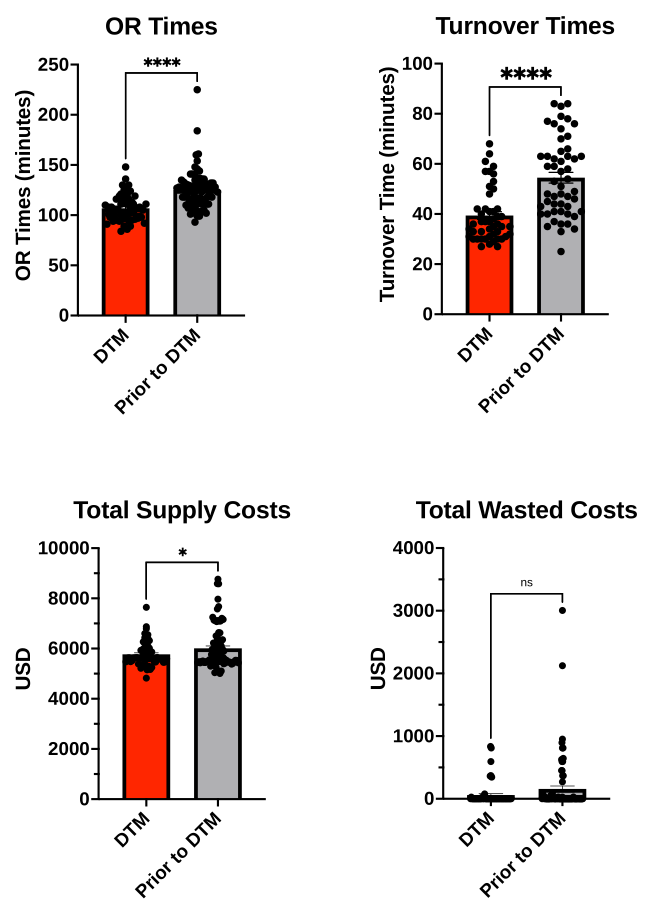
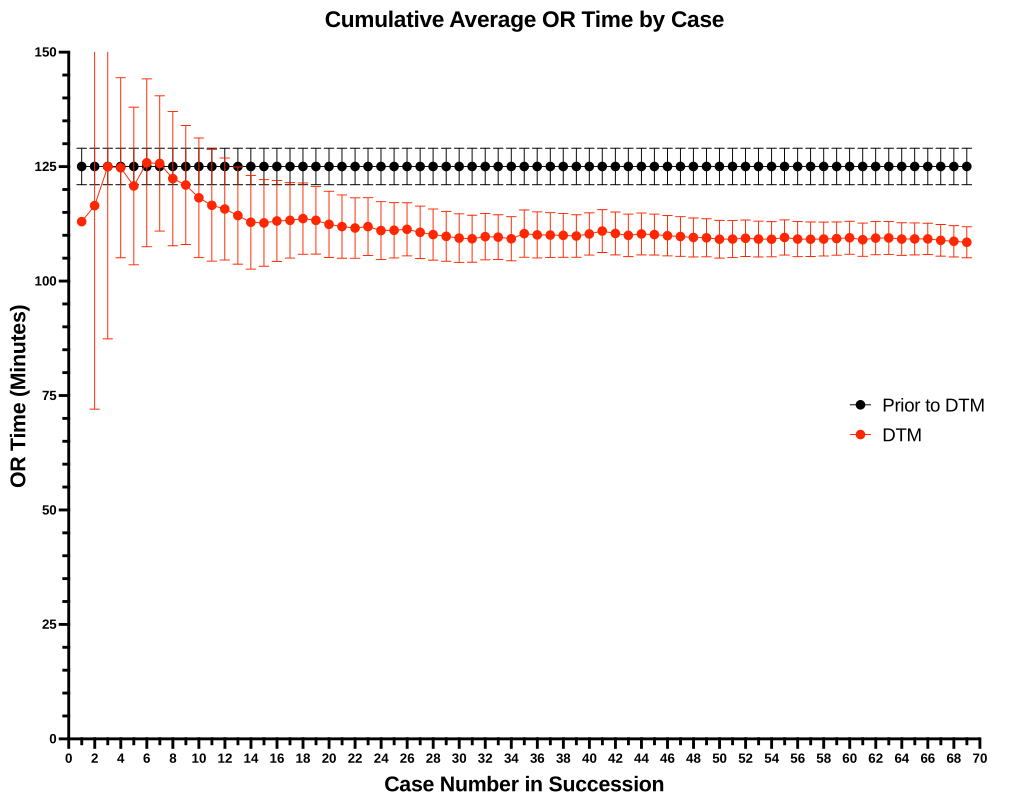
For TKA (Figure 1), the addition of a DTM significantly reduced OR time by 18.2 minutes, from 125 ± 18.7 minutes pre-DTM to 107 ± 12.9 minutes post-DTM (95% confidence interval [CI]: 13.0–23.4, P < 0.0001). Turnover time decreased by 15.1 minutes, from 54.5 ± 15.5 minutes to 39.4 ± 10.7 minutes (95% CI: 9.8–20.4, P < 0.0001). Total supply costs were reduced by $243 per case, from $6,012 ± 833 to $5,769 ± 485 (95% CI: 26.2–460, P = 0.0283). Wasted supply costs showed high variance and no statistically significant difference, decreasing from $158 ± 444 to $58.5 ± 181 (95% CI: -7.7 to 204, P = 0.0690). All comparisons were made between the pre-DTM group and the DTM group, excluding the first three months. The cumulative OR time including this previously excluded learning period was shown as cumulative mean with 95% CI, demonstrating the change in OR time after introduction of the DTM (Figure 2).
_efficiency_and_costs_for_total_knee_arthroplasty_(tka)_b.svg)
_time_for_total_knee_arthroplasty_(tka)_across_the_study_per.svg)
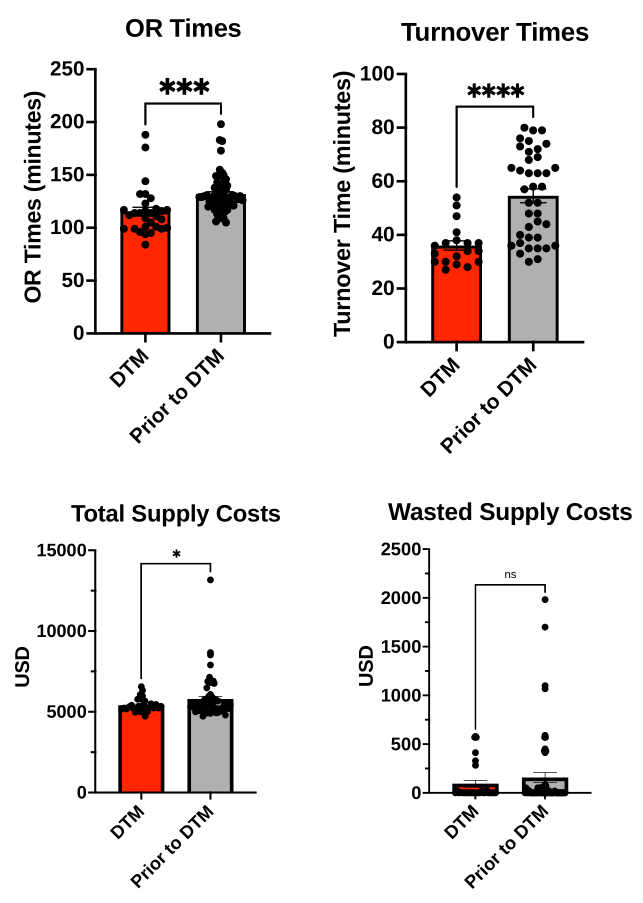
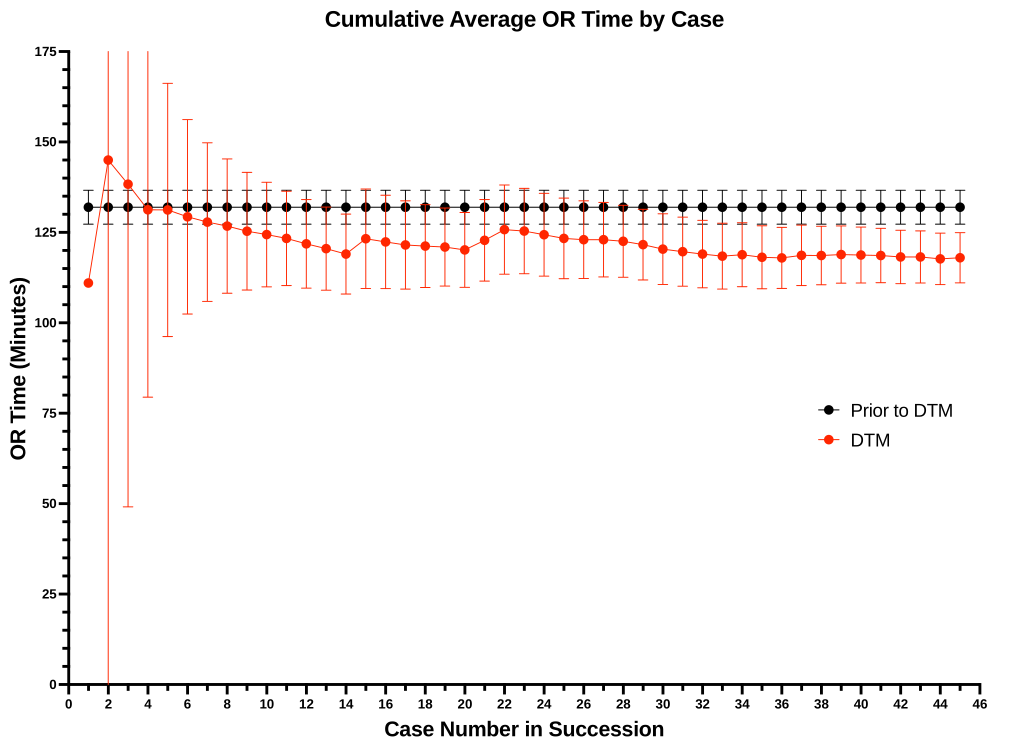
For THA (Figure 3), OR time decreased by 16.5 minutes with a DTM, from 132 ± 18.2 minutes to 115 ± 22.3 minutes (95% CI: 7.8–25.2, P = 0.0003). Turnover time was reduced by 18.6 minutes, from 54.6 ± 16.1 minutes to 36.0 ± 7.6 minutes (95% CI: 12.3–24.8, P < 0.0001). Total supply costs decreased by $393 per case, from $5,798 ± 1,287 to $5,403 ± 411 (95% CI: 34.7–750, P = 0.0319). No significant difference was observed in wasted supply costs, which changed from $158 ± 393 to $94.2 ± 193 (95% CI: -57.7 to 185, P = 0.3005). The cumulative OR time including this previously excluded learning period was shown as cumulative mean with 95% CI, demonstrating the change in OR time after introduction of the DTM (Figure 4).
_efficiency_and_costs_for_total_hip_arthroplasty_(tha)_be.svg)
_time_for_total_hip_arthroplasty_(tha)_across_the_study_peri.svg)
The combined reductions in OR and turnover times resulted in an average decrease of 33.3 minutes per TKA case and 35.1 minutes per THA case. Using an OR cost of $46 per minute for OR time (Smith et al. 2022), these time savings translated to cost reductions of $1,080 per TKA case and $1,152 per THA case. This time-based cost savings does not account for efficiencies in turnover time and thus is an underestimate.
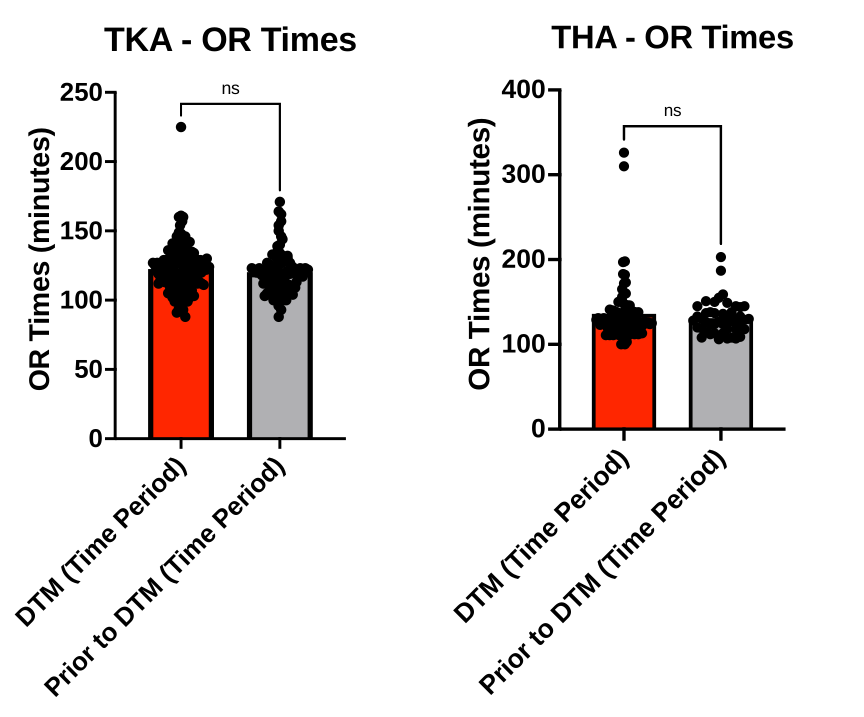
Acknowledging that temporal factors such as the time in the academic year for trainees and staff differ for the “Prior to DTM” and “DTM” groups, OR times were analyzed for the prior year. No significant differences were observed in OR times for the THA or TKA groups between these two temporal populations a year prior, suggesting that the DTM impact may be distinct from the effect of the academic calendar (Figure S1).
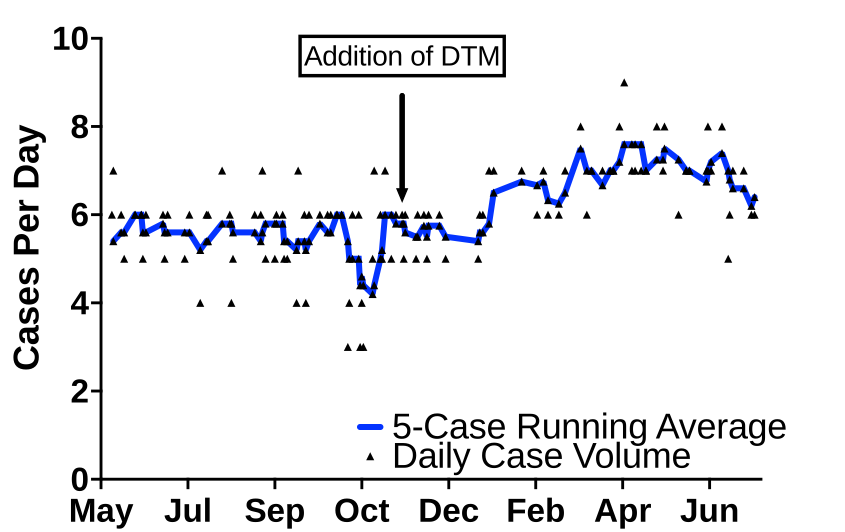
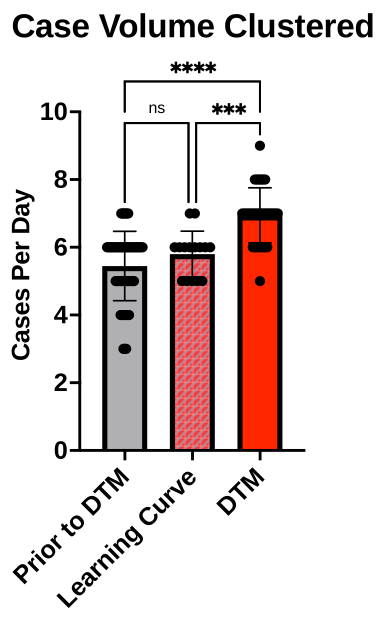
Returning to analysis during the experimental DTM study period, the total cases performed per day were assessed over the course of the year of the study (Figure 5). The data were confined to two-room OR days to control for add-on days for single cases in a single room. The data illustrated a pattern toward increasing case volumes per operative day after the introduction of the DTM. For statistical comparison, the data were clustered into groups prior to DTM (5.3 ±0.9 cases; mean ± standard deviation), during the DTM learning curve (5.7 ±0.6 cases), and after the DTM learning curve (6.6 ±0.8 cases, Figure 6). These were compared by Kruskal-Wallis testing with multiple comparisons and correction. The DTM group was significantly higher (P < 0.0001 compared to prior to DTM and P = 0.0007 compared to learning curve period) than the other two groups, which themselves did not differ (P > 0.9999). These data suggest that the addition of a DTM permits increased daily case volumes as a result of improved OR efficiency.
.svg)
.svg)
Discussion
This study demonstrates that the addition of a single DTM (a NP partnered with a single surgeon) significantly enhances OR efficiency and reduces costs in TJA. For TKA, the DTM reduced OR time by 18.2 minutes, turnover time by 15.1 minutes, and total supply costs by $243 per case, with no significant change in wasted supply costs. Similarly, for THA, OR time decreased by 16.5 minutes, turnover time by 18.6 minutes, and total supply costs by $393 per case, with no significant impact on wasted supply costs. These reductions translated to a combined time savings of 33 minutes per TKA case and 35 minutes per THA case, yielding cost savings of $1,080 and $1,152 per case, respectively. These findings highlight the economic and operational benefits of incorporating a DTM in academic arthroplasty ORs as a means of improving efficiency and cost savings. The mechanisms by which the DTM improves efficiency were not directly investigated in this study. Several mechanisms are likely responsible and include, but are not limited to: (1) anticipating the needs of the surgeon as first assist, (2) skill in patient positioning and wound closure, thus allowing for the surgeon to be more productive between cases during non-critical steps, and (3) communication with surgical scrub technologist.
The results align with prior literature emphasizing the importance of consistent surgical teams for improving OR efficiency. Prior investigations of surgical staff’s impact on OR efficiency showed that a THA surgeon’s preferred scrub technologist corresponded to a 12.6-minute reduction in OR time per case but, importantly, such a technologist was only present about 30% of the time (Cousins et al. 2023). Similarly, Parker et al. demonstrated that the familiarity between the scrub technologist or circulator and the surgeon is a critical factor in reducing operative times for TKA (Parker et al. 2020). Another investigation by Cahan, et al. demonstrated that the anesthesiologist, circulating nurse, and scrub technologist all have significant impacts on OR efficiency in TKA and THA, consistent with the prior findings (Cahan et al. 2021).
Unlike these prior studies, which focused on broader team consistency, the present study demonstrates that a single DTM can achieve comparable efficiency gains, offering a more feasible intervention for institutions facing staffing variability. This is particularly relevant given nursing shortages, which have increased use of traveler staff (Tamata and Mohammadnezhad 2023). Moreover, a recent investigation suggests that such changes disrupt team consistency and contribute to inefficiencies (Bendich et al. 2025). The cost savings observed in this study, driven by reduced OR times and lower supply costs, further corroborate prior findings that OR efficiency is crucial for overall surgical cost containment (Childers and Maggard-Gibbons 2018).
The implications of these findings are substantial for health systems performing high-volume TJA. By prioritizing the assignment of a DTM, serving as a first assistant, hospitals can achieve meaningful cost reductions and improve operational throughput without significant changes to OR staffing protocols. These benefits are particularly critical in academic settings, where variable staffing models, including the presence of orientees, relief staff, or other OR staffing changes within a given day, have been shown to increase operative times and costs, as demonstrated in prior studies (Stepaniak et al. 2010; Bendich et al. 2025). Health systems should invest in dedicated staffing models to optimize resource utilization and enhance the financial sustainability of high-volume programs, including but not limited to TJA programs.
There are several limitations. The single-group pre-post design introduces potential biases, such as selection bias or unmeasured confounders like temporal biases over the course of the year of the study period (May 2024–July 2025). This study design prevents a direct temporal control amenable to randomization. We did attempt to account for temporal confounding factors by comparing the data from the year prior with no DTM and did not find this to influence our results. The study was limited to a single surgeon and a single DTM, potentially restricting generalizability to other surgeons or institutions. This design does allow for more consistency with regard to surgical technique and implant use compared to multiple surgeons. Future studies will be needed to establish generalizability by analyzing these same outcomes across a group of surgeons paired with specific DTMs with both surgeon and DTM as independent variables. However, this study is necessary as proof-of-principle to establish data to foster such an expanded study. Additionally, this study was confined to analysis of cases in which the surgeon has increased reliance on support from the first assist or surgeon scrub technologist which may introduce selection bias compared to analysis of other case types.
Clinical outcomes, such as complications or patient satisfaction, were not assessed, focusing solely on efficiency and cost metrics. We did review the surgical complications occurring during the study period and identified three infections (two knee, one hip), all in the respective “Prior to DTM” groups. There were no surgical complications prompting return to OR or readmission within the “DTM” group. Additionally, the cost analysis used an OR cost of $46 per minute (Smith et al. 2022), which may not capture variations in labor or indirect costs in this region—though the value is similar to those published in other surgical domains (Childers and Maggard-Gibbons 2018).
Conclusions
At our institution, a single DTM significantly improves OR efficiency and reduces costs in TJA, supporting the adoption of dedicated staff in academic ORs. As reimbursements decline and demand for increased volumes rises, health systems should prioritize consistent staff in the OR. While this study demonstrates value to employing a DTM, this study will support the thesis to perform a robust multicenter or multi-surgeon analysis in the future.
Funding Statement
No funding was received for this study.
Declaration of Generative AI and AI-assisted Technologies in the Writing Process
An AI-assisted tool (Grok, xAI) was used to analyze the manuscript draft for grammatical errors and provide suggestions for structural and content improvements. The authors reviewed and edited all AI-generated suggestions to ensure accuracy and alignment with the study’s objectives. The authors take full responsibility for the content of this publication.
_times_analyzed_during_equivalent_time_periods_a_year_prior_are_not_si.svg)