
Introduction
Soft-tissue grafts are widely utilized in anterior cruciate ligament (ACL) reconstruction due to their favorable biologic characteristics and reduced donor-site morbidity when compared with bone–patellar tendon–bone grafts. Despite these advantages, concerns regarding tibial-side fixation strength have persisted, particularly in the setting of cancellous tibial bone and interference screw fixation. Although hamstring and other soft-tissue grafts demonstrate excellent intrinsic strength and stiffness, the perceived limitation has historically been the ability to reliably secure these grafts to the tibia without graft slippage or early loosening.
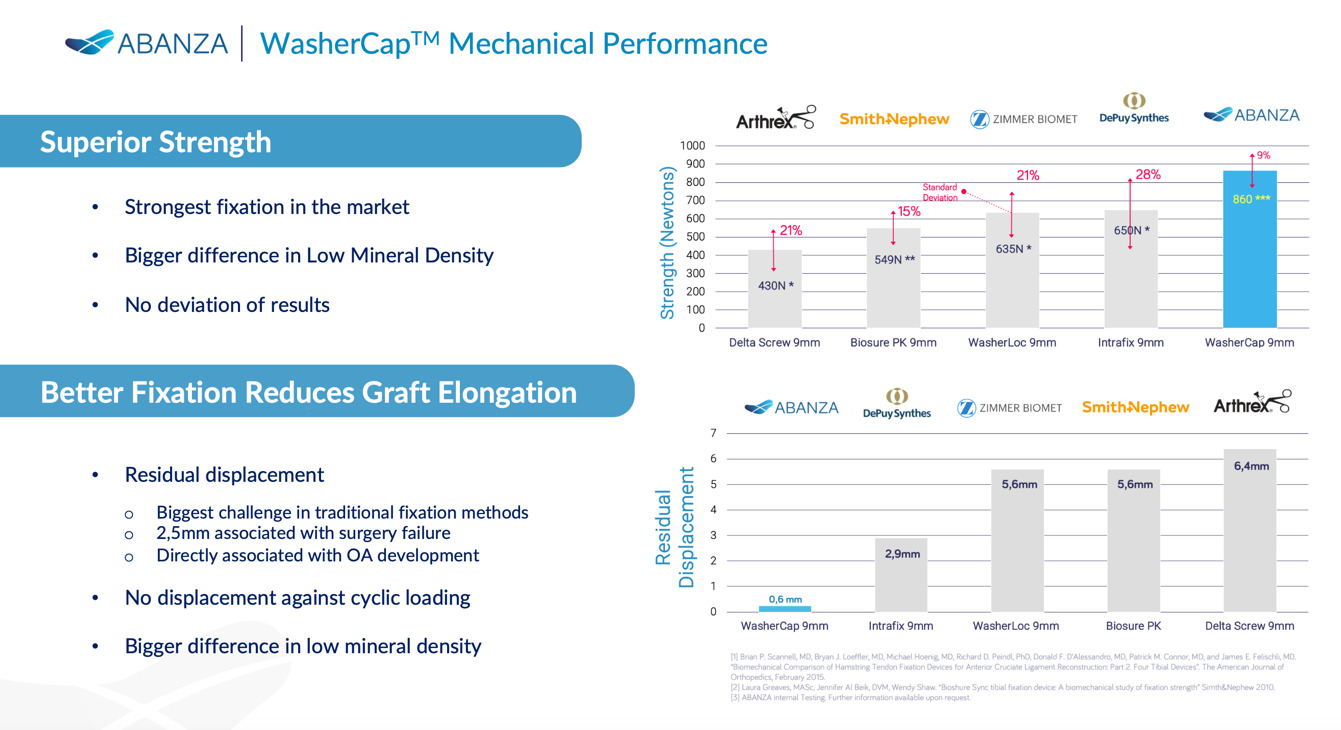
The present discussion describes the surgical rationale, design principles, and early clinical observations associated with the use of the ABANZA WASHERCAP, a cortical washer-based tibial fixation system for soft-tissue ACL reconstruction. This perspective is derived from over two decades of surgical experience in ACL reconstruction, combined with recent clinical adoption of a novel fixation construct designed to address longstanding limitations of tibial fixation in soft-tissue grafts.
Historical Perspective on Tibial Fixation in Soft-Tissue Grafts
Hamstring and other soft-tissue grafts have long been recognized as strong and stiff graft options, often exceeding the intrinsic strength of patellar tendon grafts at time zero. However, patellar tendon grafts have traditionally been favored in certain patient populations due to bone-to-bone healing on the tibial side, which provides early fixation stiffness during the healing process. In contrast, soft-tissue grafts rely on soft-tissue–to–bone healing and are commonly secured using interference screws within cancellous tibial bone.
The tibial metaphysis is frequently characterized by relatively soft bone quality, which may compromise interference screw fixation. As a result, graft motion, micro-loosening, and loss of tension have remained concerns, even in technically well-performed reconstructions. These concerns have contributed to continued debate regarding optimal graft selection and fixation strategy, particularly for high-demand patients.
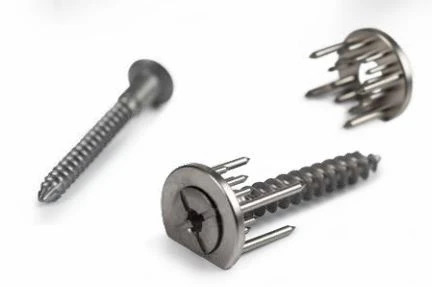
Historically, washer-based fixation systems were developed to address these challenges by transferring fixation to the cortical bone of the tibia. Earlier systems demonstrated excellent fixation strength but required substantial metallic hardware and removal of additional bone, limiting broader adoption despite favorable biomechanical performance.
Design Rationale of a Cortical Washer-Based Fixation System
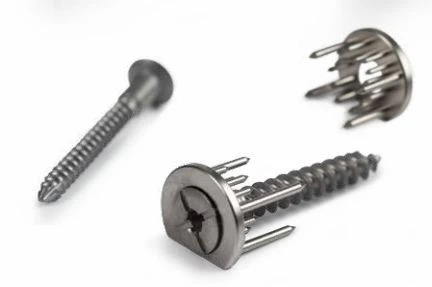
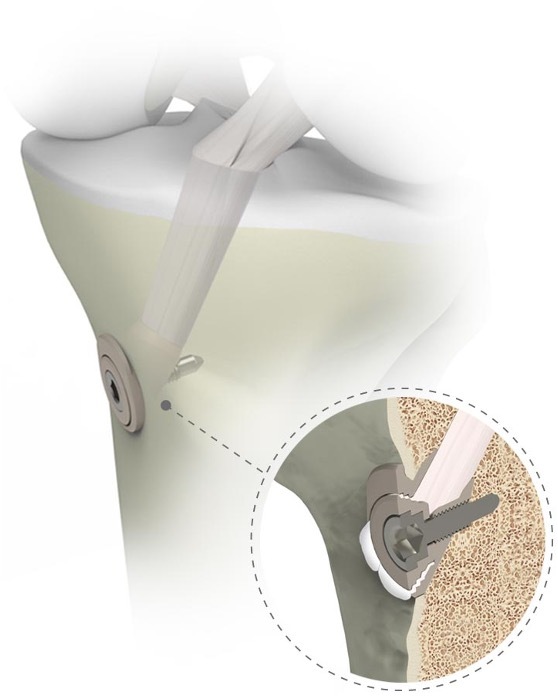
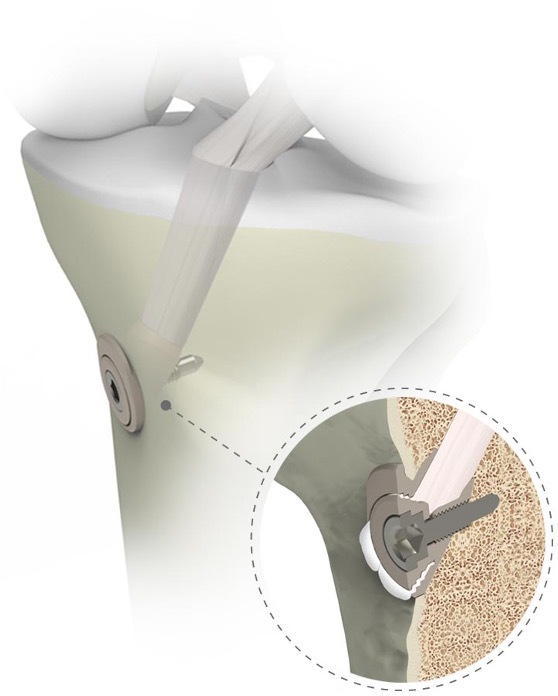
The WasherCap fixation system discussed in this manuscript was designed with the explicit goal of improving tibial fixation strength for soft-tissue ACL grafts while minimizing bone removal and metallic burden. Unlike traditional interference screw fixation, this construct secures the graft externally at the tibial cortex rather than relying solely on cancellous bone purchase.
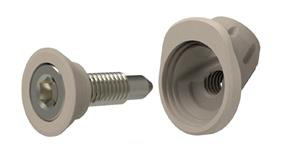
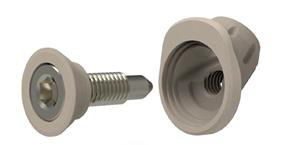
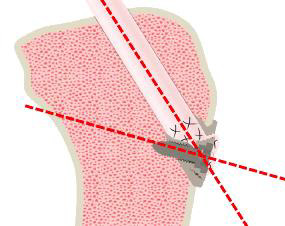
A key design distinction is that the graft is compressed between the PEEK components of the fixation device itself rather than being compressed directly against bone. This mechanism allows the graft to be secured between the washer component and a set screw, creating a stable construct that is independent of cancellous bone quality. Fixation is achieved in two planes, with the device anchored rigidly against the cortical surface and secured by a screw placed at an oblique angle relative to the washer. This configuration resists both rotational forces and axial migration, two common failure mechanisms associated with tibial fixation.
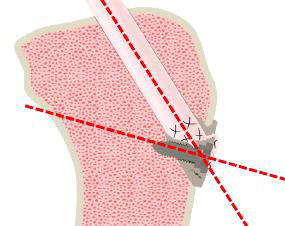
By utilizing cortical bone as the primary fixation substrate and eliminating reliance on cancellous bone compression, the system aims to provide consistent fixation strength across a broad range of bone qualities.
Surgical Technique Evolution and Practical Refinement
Initial iterations of the fixation system incorporated multiple procedural steps reflective of an engineering-driven design process. While biomechanically sound, early techniques included steps that were inefficient in the operative setting. Through surgeon feedback and iterative refinement, the implantation technique has been simplified substantially.
The current technique involves placement of a guide pin, over-drilling to the selected diameter, impaction of the washer component using a dedicated inserter, passage of the graft, and placement of the set screw to secure the graft. The entire process requires only a few steps and can be completed in a matter of minutes without additional complexity compared with standard fixation techniques.
Importantly, the system allows graft tensioning to occur during fixation. The graft can be tensioned in a hands-free manner, assessed, and adjusted prior to final fixation. If desired, tension can be modified and re-secured without removal of the device. In practical use, the simplified technique has reduced the need for repeated tension adjustments while preserving the option for fine-tuning when necessary.
Graft Tensioning and Fixation Security
Controlled graft tensioning is a critical component of any successful ACL reconstruction. The ability to apply and maintain consistent tension during tibial fixation is particularly important in soft-tissue grafts, where loss of fixation stiffness may translate to postoperative laxity.
The washer-based fixation system permits direct control of graft tension at the time of fixation. Once tension is applied, the graft is secured between the washer and set screw, creating a stable interface that resists slippage, or creep. Because fixation is achieved at the cortical level and stabilized in multiple planes, the construct resists rotation and migration that may otherwise occur in softer bone.
From a surgical perspective, the ability to tension, assess, and finalize fixation without reliance on cancellous bone purchase represents a meaningful advancement in tibial fixation strategy.
Early Clinical Observations
Clinical experience with the Abanza WasherCap system has spanned approximately eighteen months, with more than 90 implants. During this period, patients have been evaluated at standardized postoperative intervals including one week, one month, two months, three months, and six months. Although formal biomechanical and outcomes studies are ongoing, consistent observations have emerged during routine clinical follow-up.
Specifically, reconstructed knees have demonstrated uniform graft tightness on physical examination, with no detectable laxity during manual testing. This consistency has contrasted with prior experience using conventional tibial fixation methods, in which a subset of patients demonstrated subtle variability in graft tension during early follow-up. Since adoption of this fixation system, such variability has not been observed.
These findings are anecdotal and reflect surgeon experience rather than quantified outcomes. Nevertheless, the uniformity of postoperative stability has been notable when compared with historical personal experience using alternative fixation strategies.
Implications for Soft-Tissue Graft Utilization
Globally, the majority of surgeons performing ACL reconstruction utilize soft-tissue grafts, most commonly hamstring tendons. In contrast, patellar tendon grafts have historically been favored in certain regions, particularly in athletic populations in the United States, due to concerns regarding fixation strength. However, patellar tendon grafts are associated with higher rates of anterior knee pain, stiffness, and long-term degenerative changes.
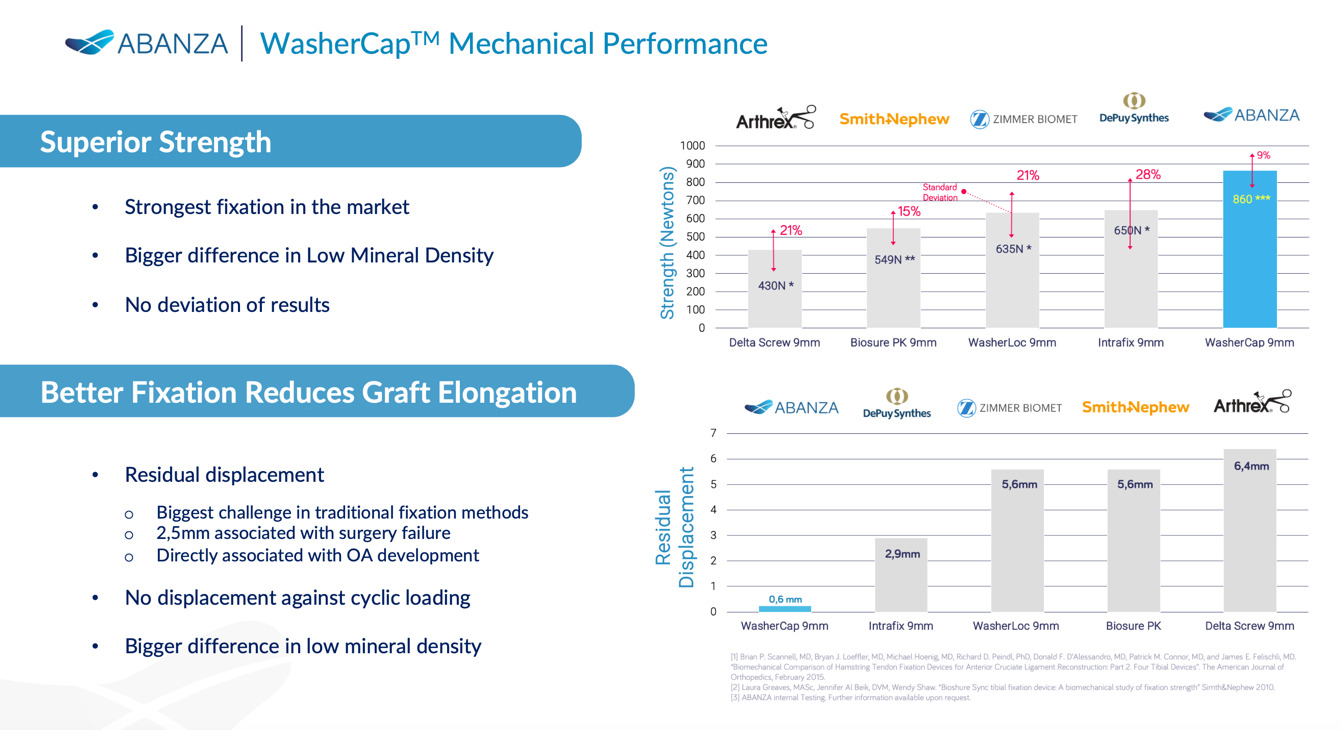
A fixation strategy that reliably secures soft-tissue grafts to the tibia with strength comparable to bone–patellar tendon–bone constructs has the potential to shift graft selection toward options with fewer donor-site complications. By addressing the primary historical limitation of soft-tissue grafts, improved tibial fixation may allow surgeons to more confidently leverage the biologic and clinical advantages of these grafts.
Limitations
The observations presented in this manuscript are limited by their anecdotal nature and reflect the experience of a single surgeon. Formal biomechanical testing and prospective clinical outcome studies are necessary to objectively evaluate fixation strength, graft survivorship, and patient-reported outcomes. Additionally, longer-term follow-up will be required to assess durability and potential late complications.
Conclusion
Tibial fixation remains a critical determinant of success in soft-tissue ACL reconstruction. Although soft-tissue grafts offer substantial biologic and clinical advantages, their widespread adoption has been constrained by concerns regarding fixation security on the tibial side. The ABANZA WASHERCAP, a cortical washer-based fixation system designed to secure the graft within the device itself, stabilized in multiple planes against cortical bone, represents a promising solution to this longstanding challenge.
Early clinical experience suggests consistent graft stability and reliable fixation, with a simplified surgical technique that integrates seamlessly into standard ACL reconstruction workflows. While further biomechanical and clinical investigation is warranted, this fixation strategy may represent a meaningful step forward in optimizing soft-tissue graft fixation and improving ACL reconstruction outcomes.