
Introduction
Iliotibial band syndrome (ITBS) is a common overuse injury that is found predominantly in athletes that undergo extensive repetitive lower extremity movement such as runners and cyclists. ITBS results from friction or compression of the lateral iliotibial band against the lateral femoral epicondyle, leading to inflammation and lateral knee pain, and is influenced by biomechanical factors such as weakness or inhibition of the lateral gluteal muscles, with additional risk factors including excessive running or cycling and sudden changes in running surfaces (Pegrum, Self, and Hall 2019). Recent studies have associated female sex, younger age, fewer years of running experience, and faster running speed with ITBS (Marais et al. 2024). ITBS primarily affects younger and middle aged patients, with the average age of patients being 31 years (Noble 1980). Recent studies have found IT band syndrome to be present in 5% - 14% of runners, highlighting its significance as a common athletic ailment. Treatment initially involves conservative methods, consisting of rest, stretching, pain management, and modification of running habits (Beals and Flanigan 2013). Corticosteroid injections can be utilized as a second line treatment modality for persistent pain, and surgery is rarely performed in refractory cases (Beals and Flanigan 2013). The incidence and management of ITBS can result in significant stress in patients, especially those looking to return to high-level activity or employment. Thus, new treatment modalities and guidelines are paramount in the return of patients to activity.
One way to monitor the direction and trends of new research in IT band syndrome, and medicine in general, is bibliometric analyses. Bibliometric analyses allow for the identification of recent developments and emerging trends within a certain field, as well as offering insights into potential directions for future investigation (Ellegaard 2018). They also identify the leading researchers and institutions in the field of interest, allowing for potential collaboration and the sharing of ideas (Ellegaard 2018).
These studies identify and sort the top papers by citation and citation index, or citations in relation to publication year. This type of analysis facilitates the identification of the most influential publications within the field, along with their defining characteristics. Although there has been a plethora of bibliometric analyses performed on the most common orthopedic ailments, there has not been a bibliometric analysis done on the literature on ITBS.
This study aims to identify the 50 most-cited publications on iliotibial band syndrome and to evaluate their key characteristics and thematic focus. We predict that the bulk of these publications will be older than 10 years in age and will predominantly represent lower levels of evidence.
Methods
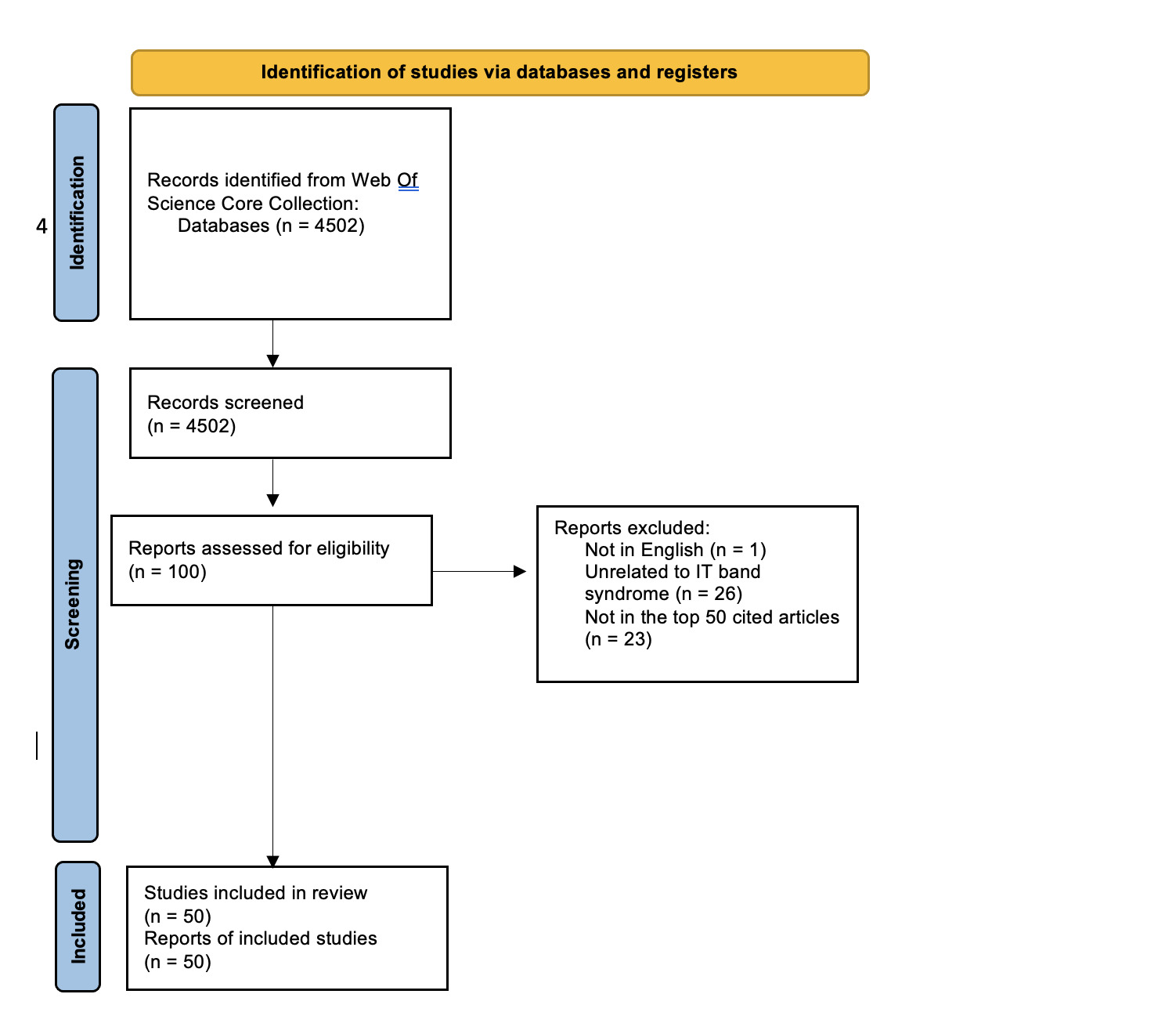
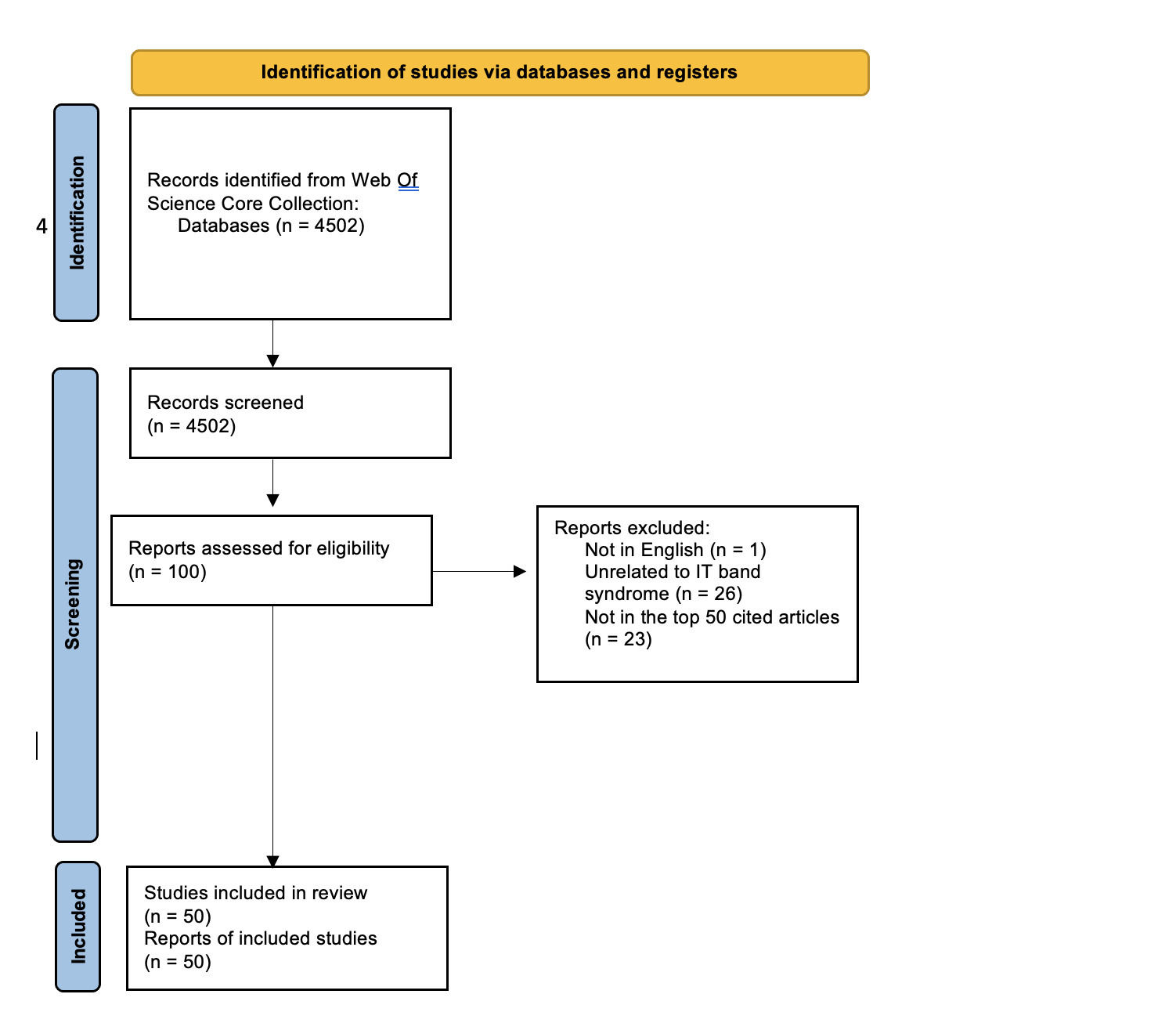
A literature search was carried out in January 2025 using the Web of Science Core Collection platform (Clarivate Plc, Boston, MA, USA). The search terms “iliotibial band syndrome” or “IT band syndrome” were utilized, and the search was queried and sorted in descending order by citations. Two of the authors then analyzed the titles and abstracts of the preliminary search, and sorted them based on specific inclusion/exclusion criteria. Articles were excluded if they were unrelated to IT band syndrome or if they were not in English. Articles were included if they were pertaining to anatomy/pathophysiology of ITBS, risk factors and epidemiology, diagnosis and imaging modalities for ITBS, biomechanics and gait analyses of patients with ITBS, treatment and rehabilitation, surgical management, strength and conditioning, or case reports of ITBS. Exclusion and inclusion were performed individually, then lists were compared (Figure 1). Any discrepancies were discussed, and a third author was consulted if needed. The finalized list of 50 publications was then exported to Microsoft Excel (Microsoft Corporation, Redmond, WA). Each paper was then assigned a level of evidence according to the previously established criteria in JBJS by Wright et. Al (Wright, Swiontkowski, and Heckman 2003). For each publication, the journal, geographic location of the authors, number of citations, publication year, citation density (number of citations divided by number of years since publication), general topic of the publication, and level of evidence (LOE) were recorded. The Excel sheet was then imported into R studio version 2024.12.1-563 for statistical analysis. Statistical analysis was performed using Kruskal-Wallis tests to determine if there were any significant differences in citations between categorical variables. Dunn’s test was done if Kruskal-Wallis test p value was < 0.05 to delineate specific differences among groups.
Results
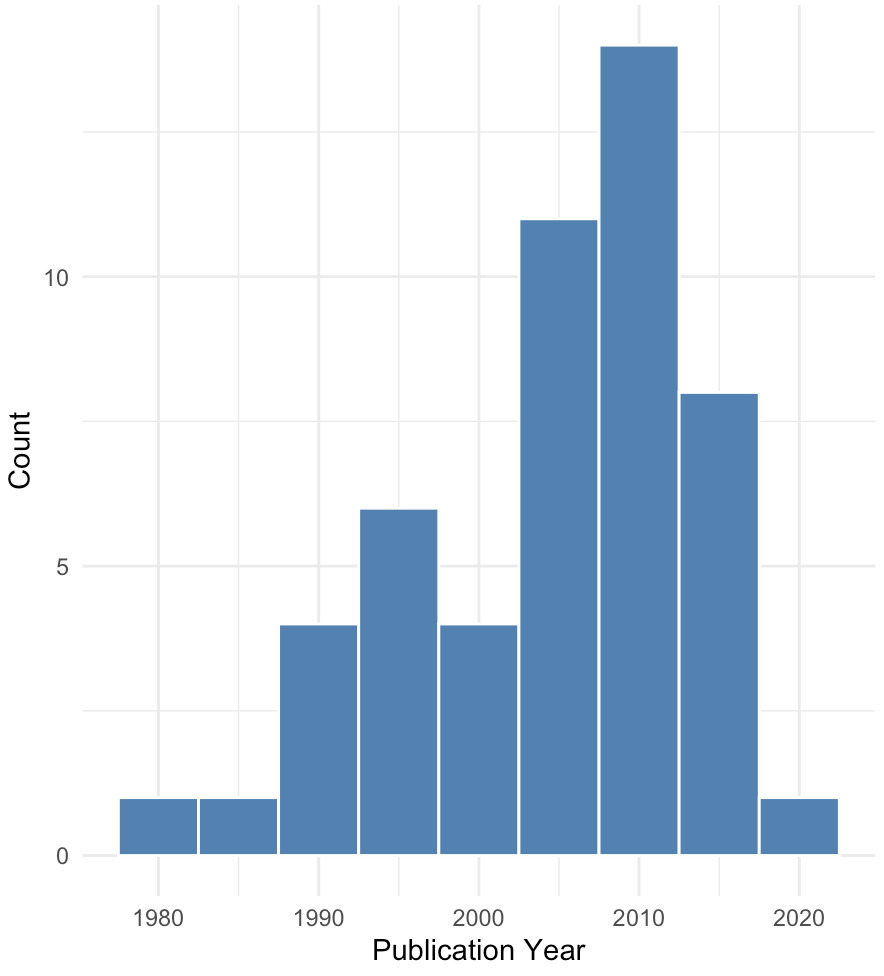
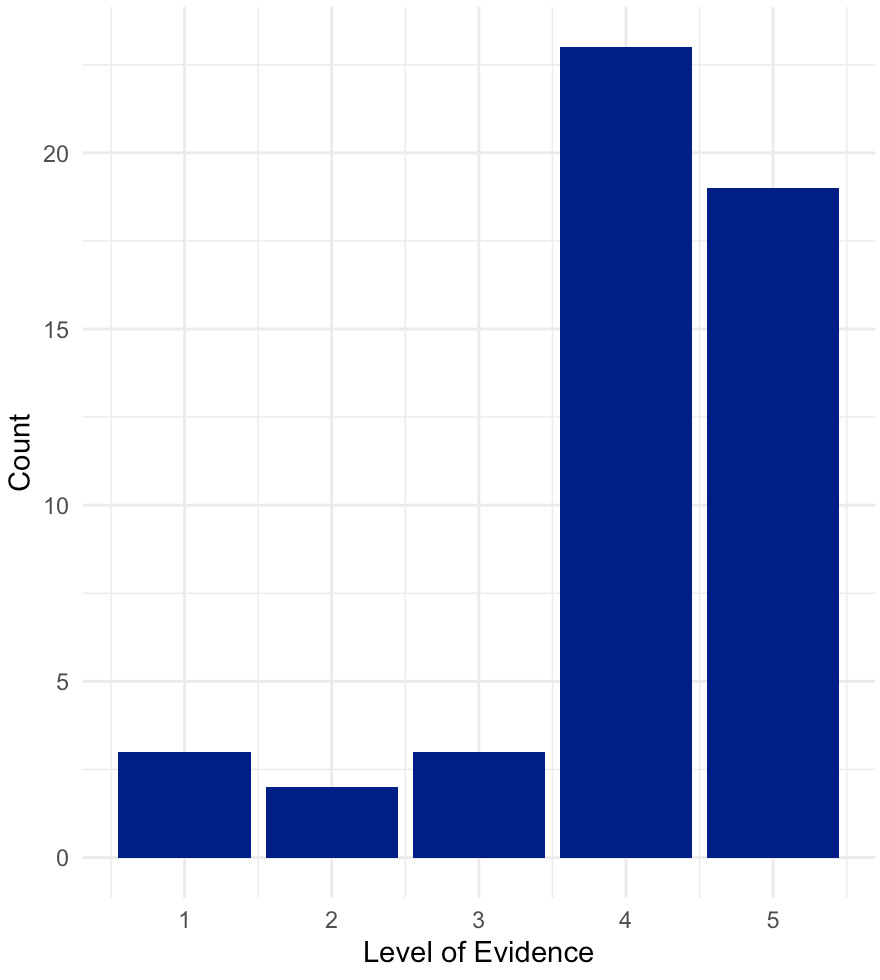
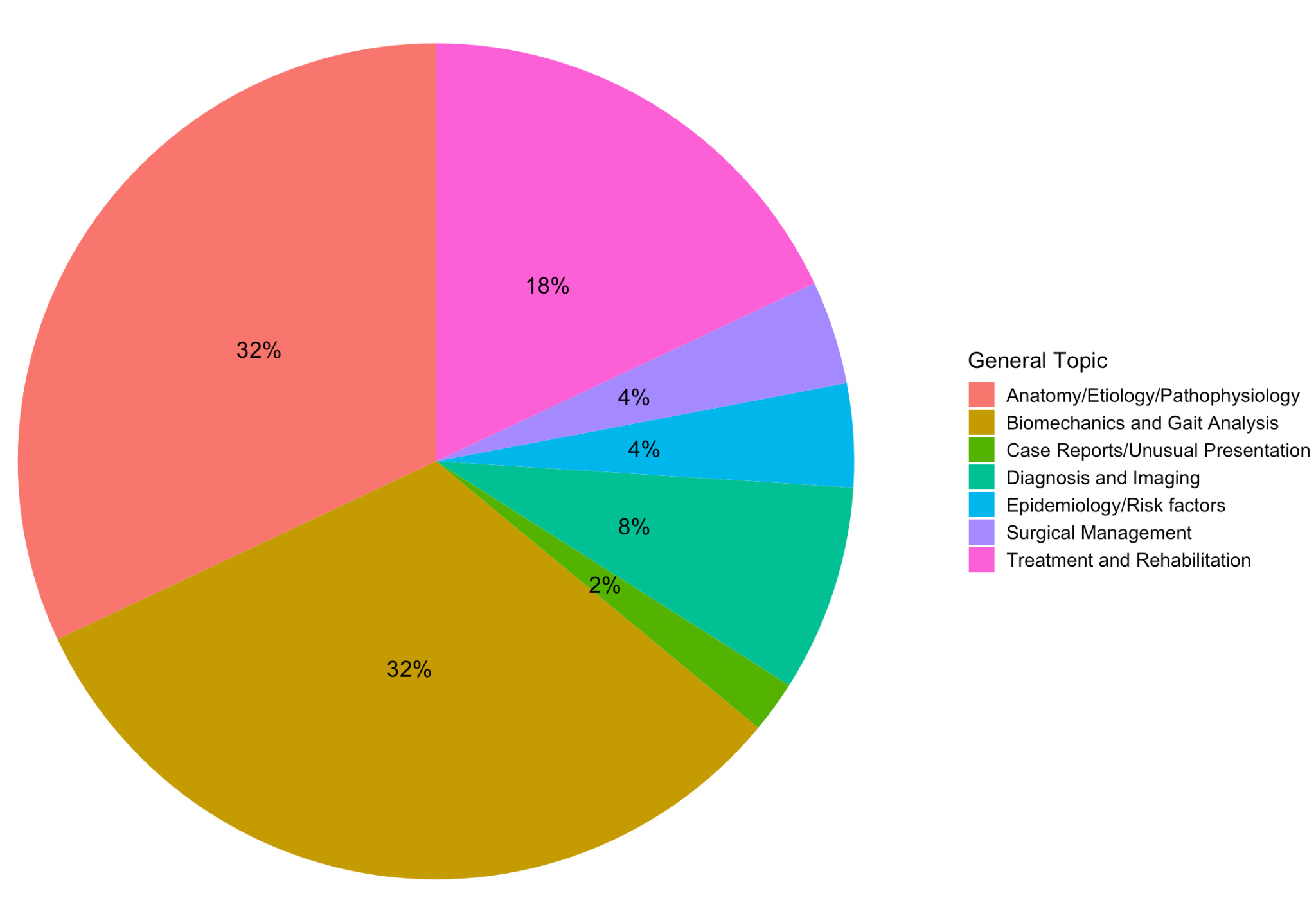
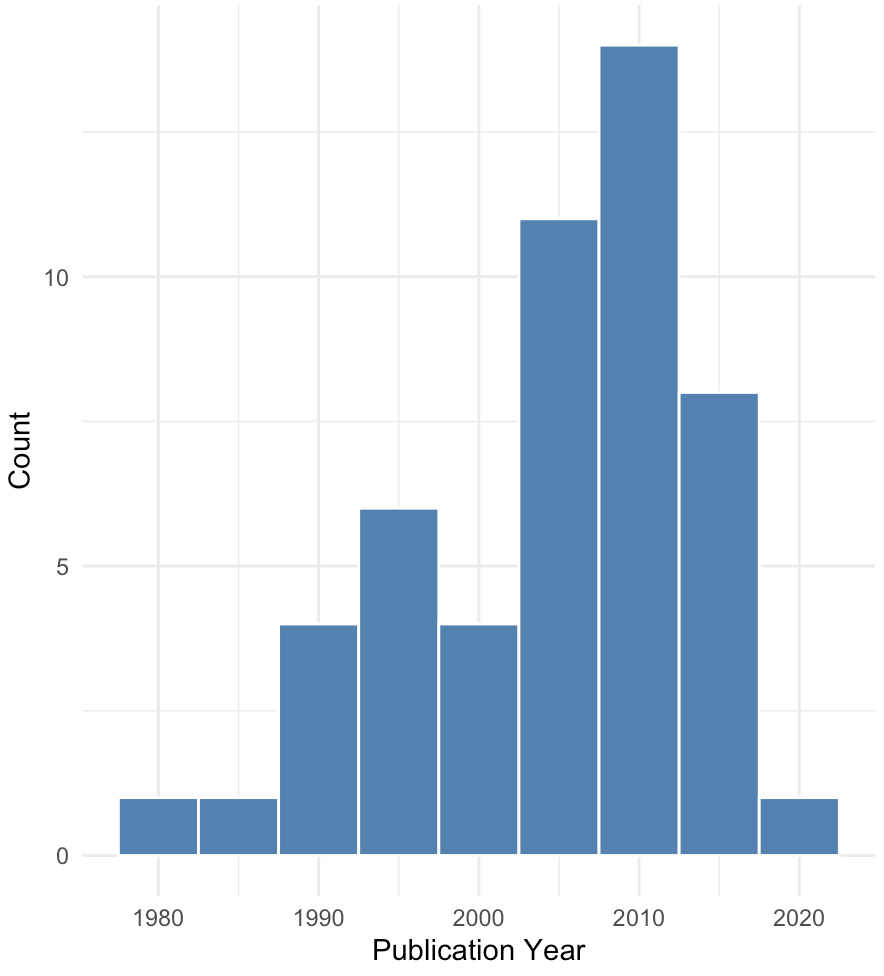
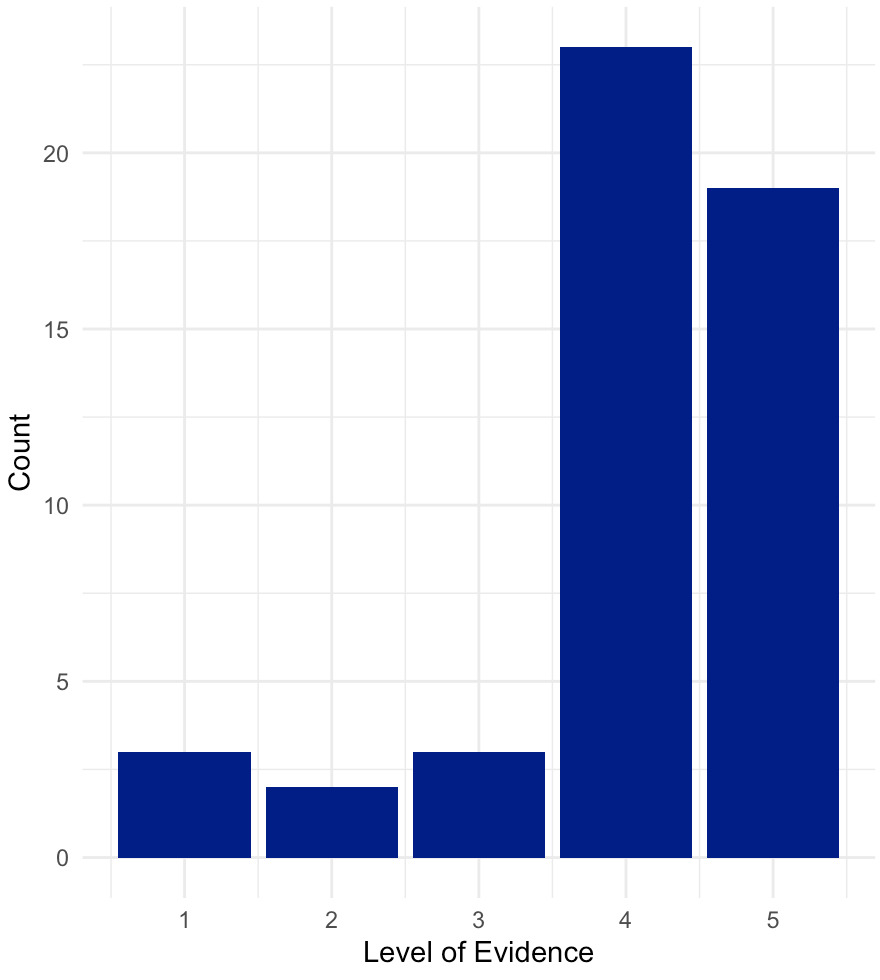
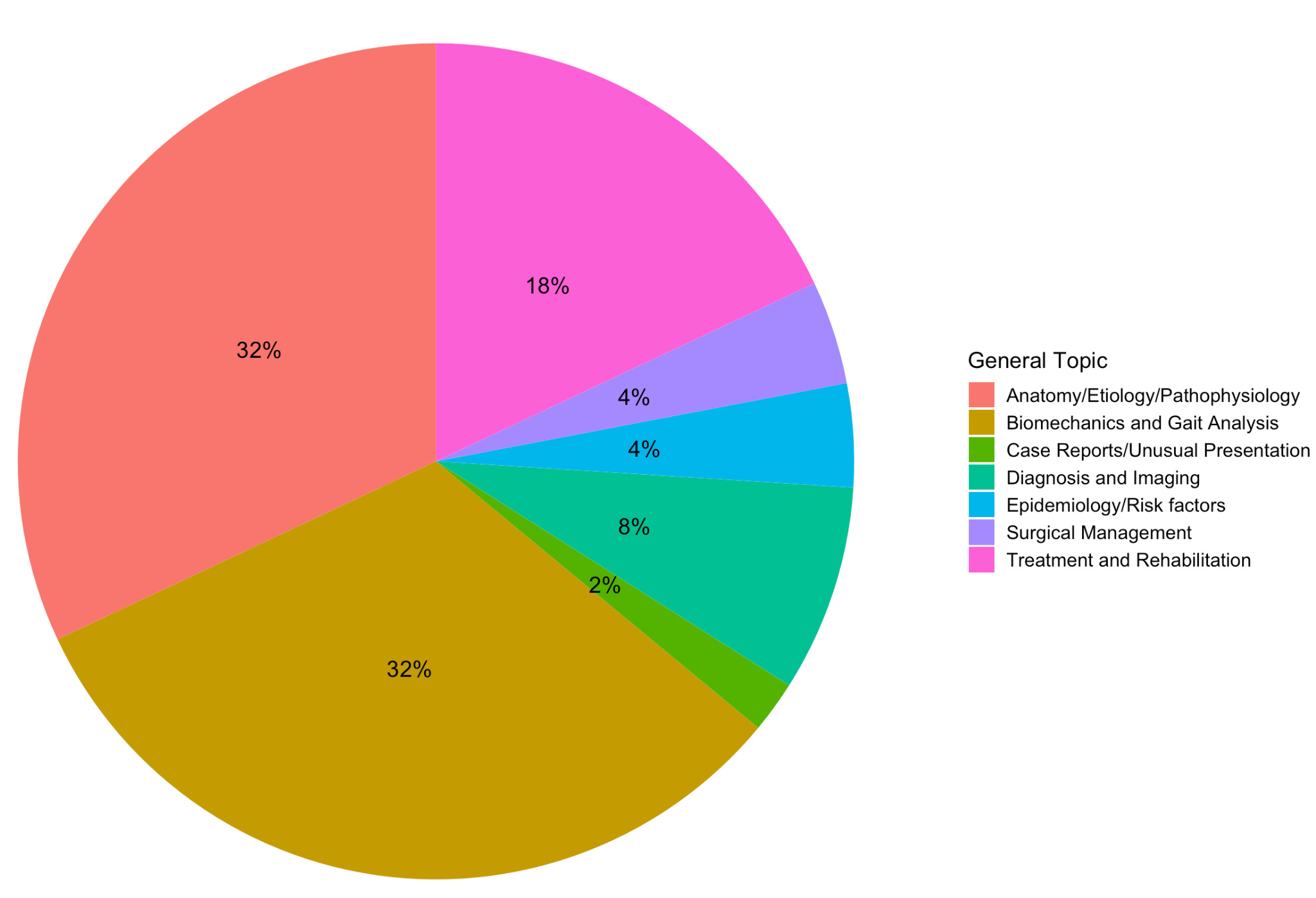
The top 50 cited papers had a total number of citations of 3938, and a mean number of citations of 78.8 citations per paper (SD = 75.5). The range of citations among the top 50 most cited papers was broad; the most cited paper from our search had 461 citations, whereas the least cited paper had 22 citations. The average citation density was 4.3 (SD = 3.7). The greatest citation density was 18.4 and belonged to a paper by Fredericson et. al (Fredericson et al. 2000). The publication years ranged from 1980 to 2018; 14 (28%) of the papers were published before 2000. The years 2007, 2008, 2011, and 2014 all had 4 (8%) publications among the top 50 most cited papers, which was the most for a single year (Figure 2). The top 50 most cited papers were published across 32 journals. The American Journal of Sports Medicine (AJSM) had the most publications among these journals, with 6 (12%) of the included studies being published in AJSM, followed by The Scandinavian Journal of Medicine and Science in Sports with 4 (8%) studies. The majority of papers were published by authors based in the United States (31;62%) followed by the United Kingdom (n = 4;8%). Dr. Michael Fredericson from Stanford Orthopaedic Surgery was involved in the authorship of the greatest number of included papers, with 7 papers. Among the included papers, the most common LOE was level IV (n = 23;46%) followed by level V (n = 19;38%) (Figure 3). Of the general topics covered by the articles, the most common topics were anatomy and pathophysiology of ITBS (n = 16; 32%) and biomechanics and gait analysis (n = 16;32%) (Figure 4).
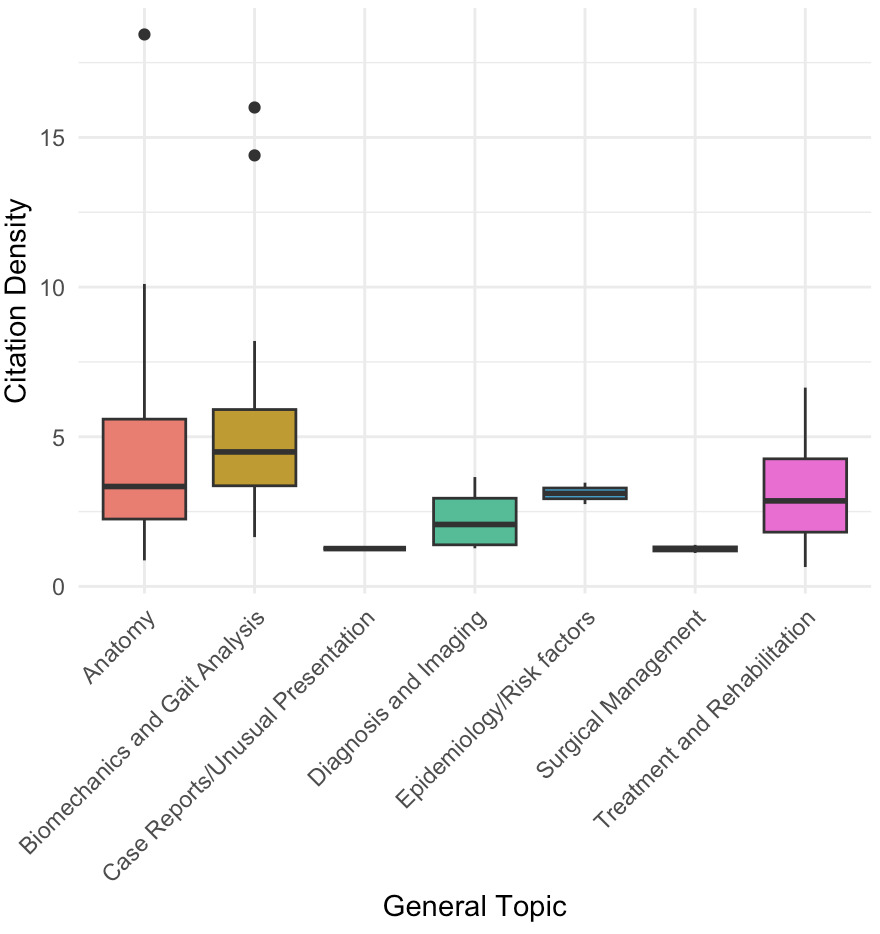
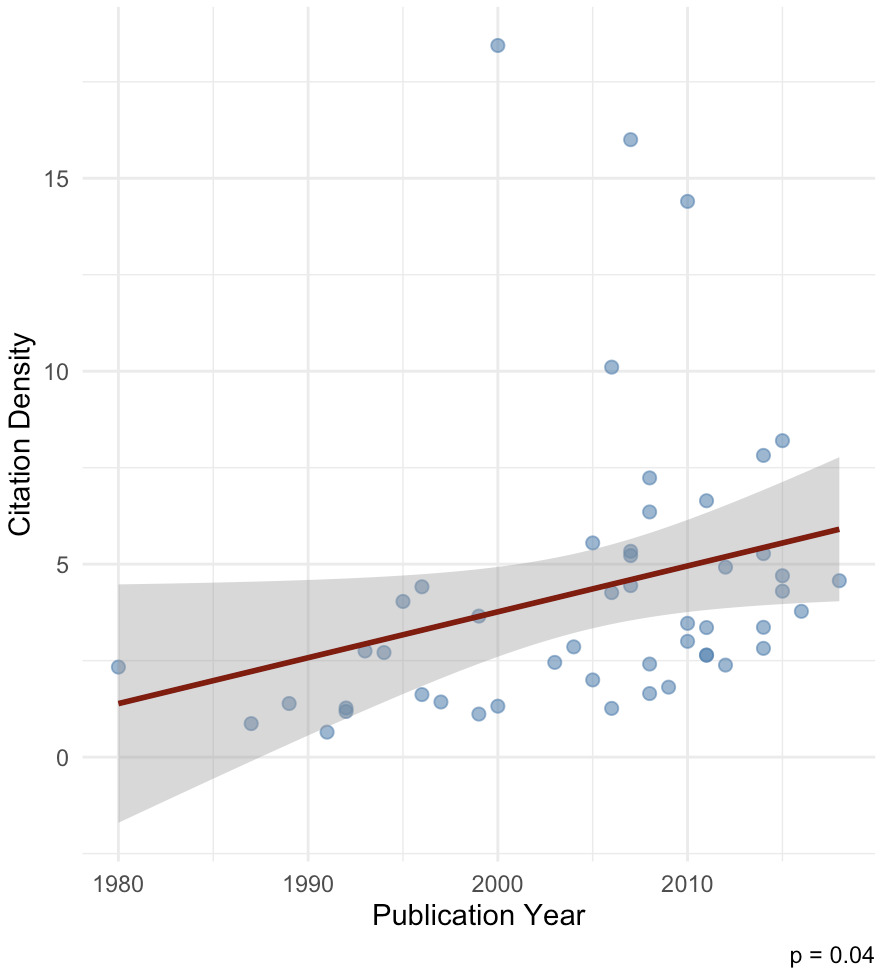
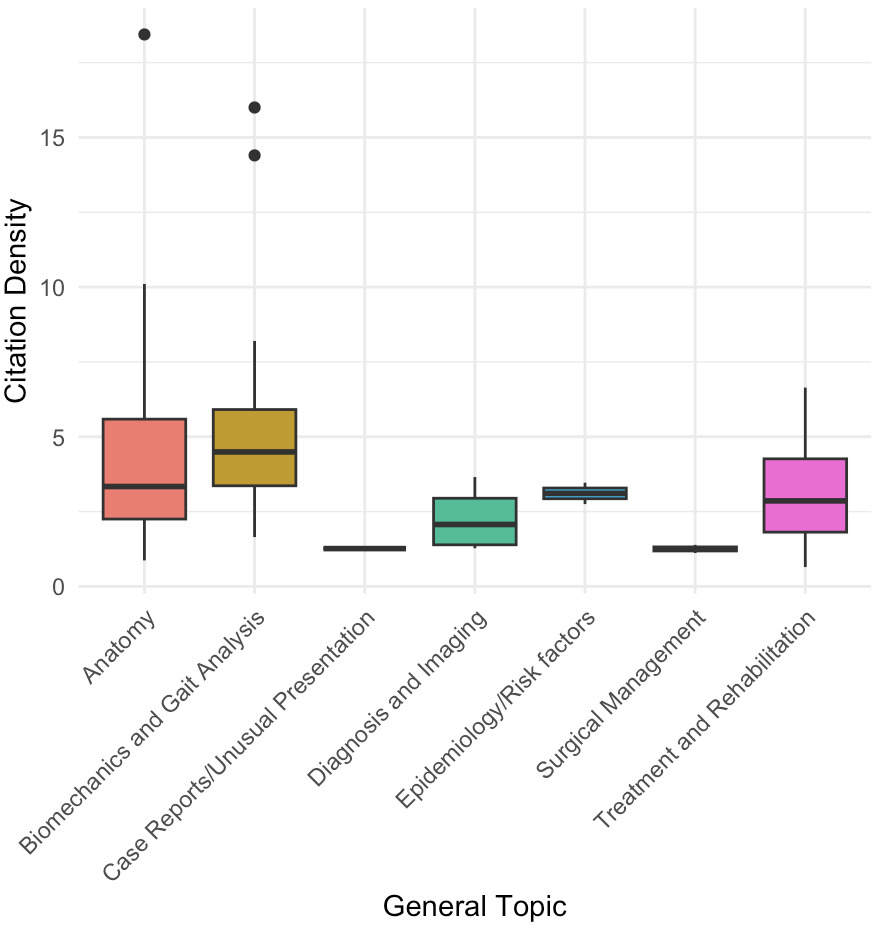
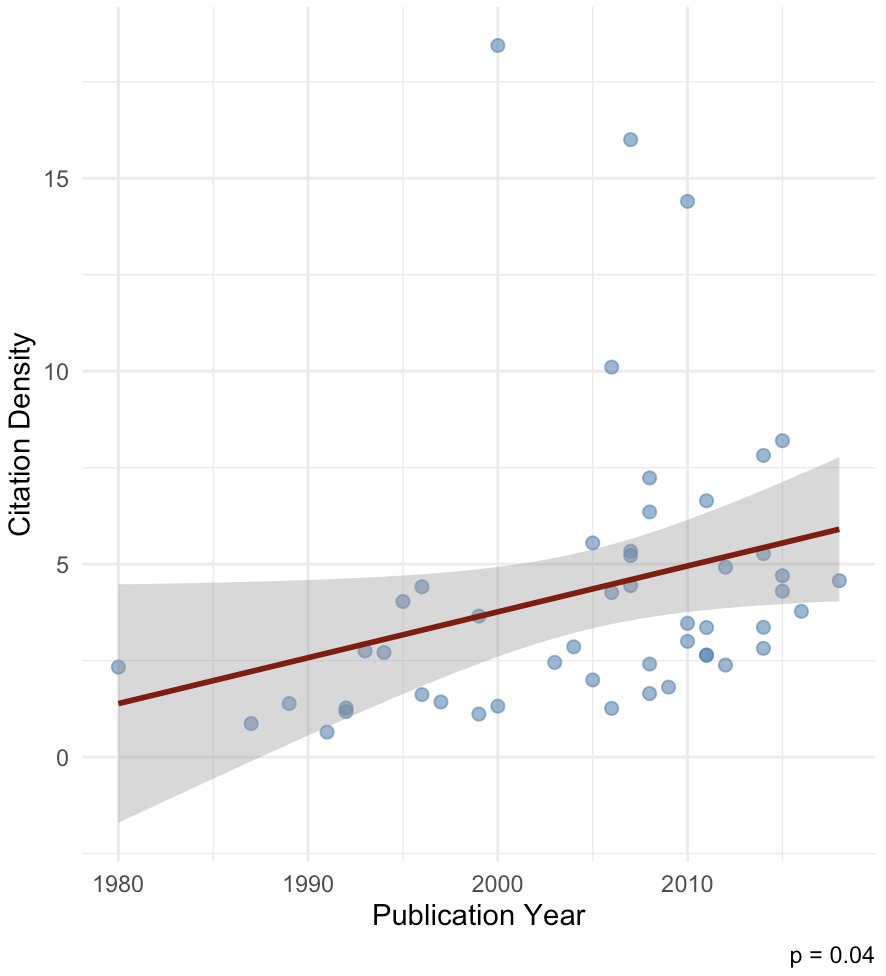
When looking at the variables that could affect the number of times these papers were cited, there was a statistically significant difference in citation density found among the different general topics of papers (p = 0.033). Papers about biomechanics and gait analysis were found to have more citations than papers about diagnosis and imaging (p = 0.032) and surgical management (p = 0.011). Papers about biomechanics and gait analysis also trended towards more citations than case reports (p = 0.061) and papers on treatment and rehabilitation (p = 0.07), however neither of these findings were statistically significant (Figure 5). There was also a correlation found between publication year and citation density; papers that were published more recently were found to have a greater citation density (p = 0.04) (Figure 6).
There was no statistically significant difference between total number of citations and general topic (p = 0.42), country of origin (p = 0.73), level of evidence (p = 0.67), publication year (0.60), or journal (p = 0.30). There were also no statistically significant differences in citation density and country (p = 0.75), LOE (p = 0.21), and journal (p = 0.21).
Discussion
Our analysis on the top 50 most cited papers on Iliotibial band syndrome confirmed that most of the most cited papers on IT band syndrome are relatively recent, with many being published in the last 15 years. This study also found a relative lack of articles with higher LOE among the most cited articles. Furthermore, our study indicated a pronounced emphasis on topics such as biomechanics and gait analysis, as well as anatomy and pathophysiology. Papers on biomechanics/gait analysis also garnered a significantly higher number of citations compared to those addressing other aspects of ITBS.
The most cited paper on ITBS was a case series by Fredericson et. al published in 2000, with a total citation number of 461 and a citation index of 18.4 (Fredericson et al. 2000). This study aimed to measure hip abductor strength in long-distance runners with ITBS in both affected and unaffected legs, and compare strengths of both limbs, as well as to limbs of healthy long-distance runners. This study found that hip adductor strength in affected limbs was significantly weaker than strength in unaffected limbs; strengths in both limbs was significantly lower than that in control healthy patients. Fredericson et. al also found that most of the subjects with ITBS became pain free after undergoing physical therapy designed to strengthen hip abductor muscles. This study was groundbreaking as it provided early evidence linking hip abductor weakness to ITBS and suggesting targeted therapy. Its findings may have been a source of its high citations and citation index, as other authors sought to expand and discuss these novel findings.
Among the papers included in our study, the most prevalent topic categories were “biomechanics and gait analysis” and “anatomy and pathophysiology”. The “biomechanics and gait analysis” category was also found to have significantly more citations than many other categories. The most cited papers in the “biomechanics and gait analysis” category were a prospective cohort study by Noehren et. Al (Noehren, Davis, and Hamill 2007) conducting a gait analysis in healthy female recreational runners and a cross-sectional study analyzing hip, knee, and ankle 3D kinematics in female patients by Ferber et. Al (Ferber et al. 2010). The most cited papers in the “anatomy and pathophysiology” category were the previously mentioned study by Fredericson et. al (Fredericson et al. 2000) and a cadaveric study performed by Fairclough et. Al (Fairclough, Hayashi, Toumi, et al. 2006). As early hypotheses on the cause of ITBS around abnormal lower-limb mechanics, developing capabilities in gait analysis allowed for the establishment of confirmatory links between running mechanics and eventual pathology. Noehren et. al was among the first to establish the fact that the improper mechanics found in females with ITBS were present before the onset of symptoms, thus establishing temporality, and proposing that the improper mechanisms of movement in patients with ITBS were not due to the pain, but rather a possible cause of the pathology itself (Noehren, Davis, and Hamill 2007). High citation counts of this study as well as others in this category point to the importance of biomechanical studies in determining treatments and causes of pathologies. Equally important were studies that clarified the pathophysiology of ITBS, particularly by reshaping perceptions of its underlying causes. Fairclough et al. in particular established through MR-based analysis as well as gross anatomical and microscopic analysis that the cause of ITBS pain may be due to fat compression under the tract rather than friction against the lateral femoral epicondyle. The fact that these foundational pathology studies rank among the most cited highlights the community’s reliance on robust anatomical data to inform management of patients with ITBS.
Our bibliometric analysis revealed that a majority of the papers included in our study were published relatively recently, with only 28% of papers being published before the year. The prevalence of more recent papers among the most cited articles is reflected in other studies on midshaft clavicle fractures (Tandron, Cohen, Cohen, et al. 2023) and acromioclavicular joint reconstruction (O’Dwyer et al. 2025). This finding may reflect both an advancement in research tools, growing clinical recognition of ITBS, and advances in 3D motion capture and musculoskeletal imaging. This may have allowed researchers to identify specific abnormalities in anatomy and biomechanics that caused the development of ITBS. These findings, assisted with newer developments of high-tech imaging and gait analysis, have allowed for the evolution of new gait-retraining protocols (Allen 2014) and treatment modalities (Sanchez-Alvarado et al. 2024).
This analysis also found a relative lack of papers associated with a higher LOE, with only three level I studies and two level II studies included in our analysis. This finding was also reflected in bibliometric analyses of knee arthroscopy (Murphy et al. 2021) and femoral shaft fractures (Medlar et al. 2025). This gap in research could be explained by the heterogeneous presentation of ITBS patients, which may make it difficult to encompass all patients in inclusion criteria. In addition, long follow-up times for randomized controlled trials for newer treatment methods such as gait retraining may indicate that although there currently aren’t many articles with higher LOE, there are randomized controlled trials possibly underway that are attempting to establish the long-term efficacy of newly established treatment methods. We predict that there may be an increase in articles published on ITBS that have an LOE of I or II.
There are a number of limitations in this study. Although the collection of data was cross-checked by two reviewers, there could still be bias and skew of data due to subjectivity of data collection. In addition, only Web of Science was searched; other highly-impactful articles on ITBS could be available for citation outside of this platform. Additionally, it is important to note that citation counts do not necessarily equate to quality or clinical impact. Lastly, educational materials like textbooks, abstracts and lectures were not included in this study, though they may be impactful and available for citation.