
Limb-salvage revision surgery continues to be shaped by several major challenges. Infection remains incompletely resolved despite substantial efforts to improve prevention and treatment. In parallel, advances in medical care have increased survival among older adults and patients with cancer, cardiac disease, and pulmonary disease, thereby expanding the population that may require complex reconstruction. Patient and family expectations have also evolved. Individuals who previously might have accepted wheelchair dependence or substantial disability increasingly seek additional opinions and further reconstructive options. These circumstances require careful consideration of the potential benefits, costs, mortality, and morbidity of treatment. For appropriately counseled patients who do not accept permanent wheelchair dependence, nursing-home placement, or palliative care as the only available outcomes, determining the limits of reconstruction can be particularly difficult.
Massive bone loss is increasingly encountered in patients who have already undergone multiple endoprosthetic revisions. Tumor-center practice now includes not only primary reconstruction after oncologic resection but also revision of endoprostheses that become loose or infected many years after successful cancer treatment. Collaboration among surgeons, engineers, and custom-implant teams can provide strategies that preserve the limb for longer and with greater predictability. Failed or infected periprosthetic fractures represent an additional and substantial burden on patients, healthcare systems, and revision practices.
Two competing principles often frame decisions about repeated revision of large-metal arthroplasty constructs: persistence may eventually succeed, whereas repeating an unsuccessful strategy without meaningful modification is unlikely to improve the result. The appropriate principle varies by case. Before undertaking an extensive limb-salvage procedure, the multidisciplinary team should identify patient- and construct-specific factors that can be optimized.
The following cases illustrate several reconstructive options: endosteal collars as an adjunct to durable fixation; side plates and screws when only a short segment of bone remains; custom rescue sleeves; and total femoral replacement (TFR) when more limited strategies are no longer feasible.
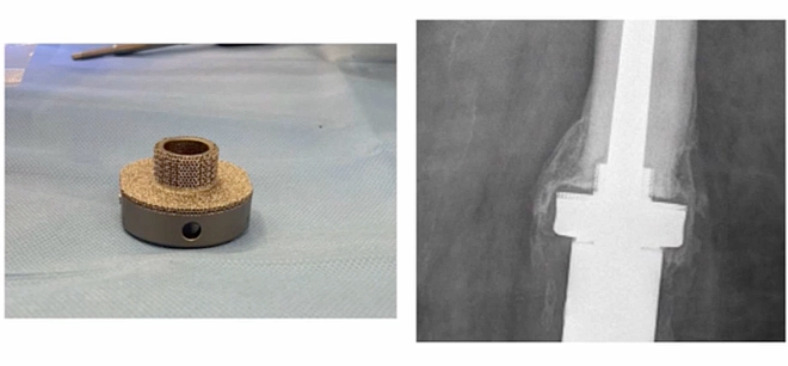
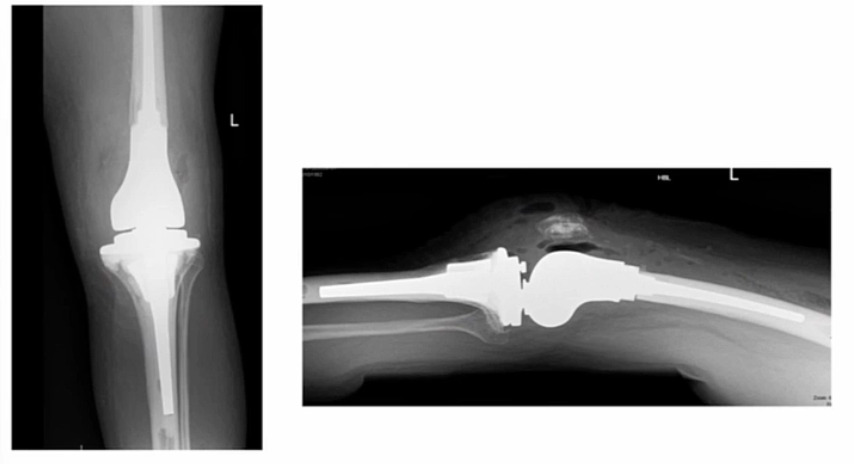
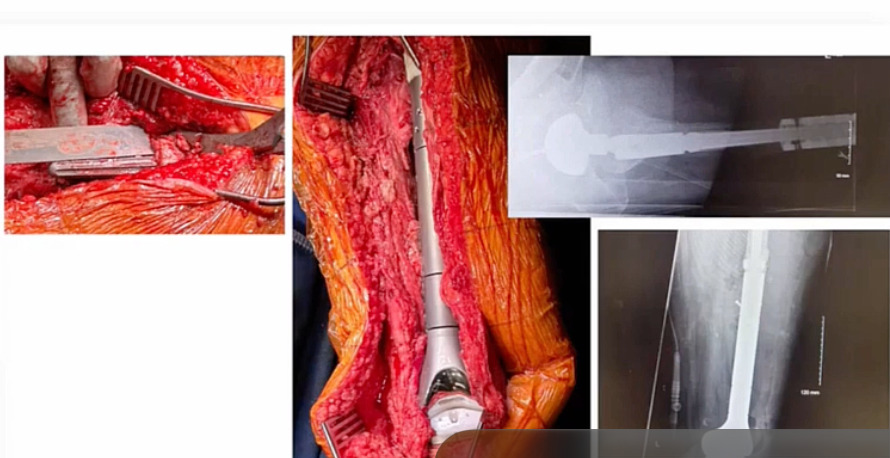
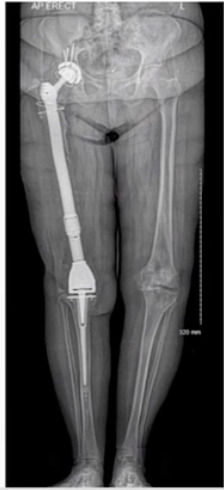
A small residual segment of host bone may still permit reconstruction. In a young, highly active patient requiring a long-segment distal femoral replacement (DFR), this remnant can provide a foundation for additional fixation (Figure 1).
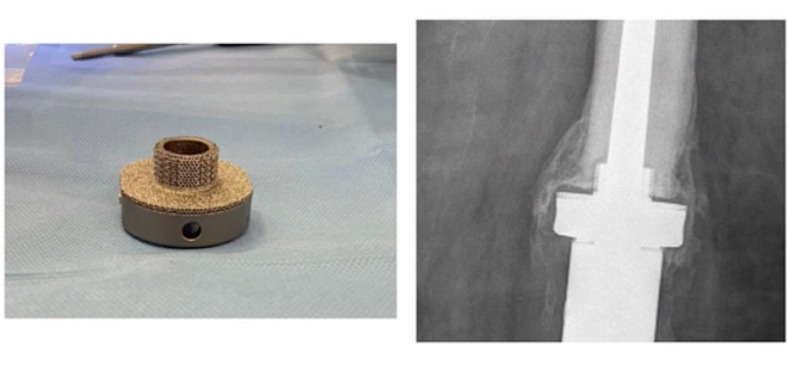
Hybrid fixation can be advantageous in this setting. Although many established LINK Endo-Model constructs use long cemented stems, the goals of reconstruction extend beyond immediate stem fixation:
-
Maximize the durability of the reconstruction.
-
Provide initial rotational stability.
-
Create a biological interface that may stabilize the cement mantle over time.
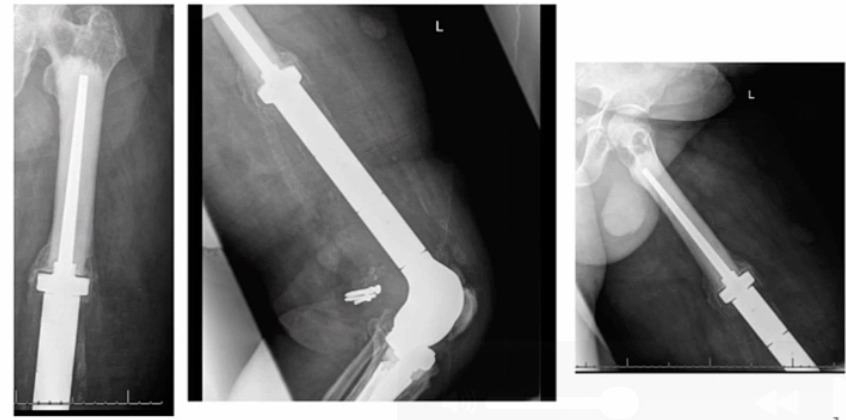
This case involved a young, highly active patient with a long-segment DFR and limited remaining host bone (Figure 2).
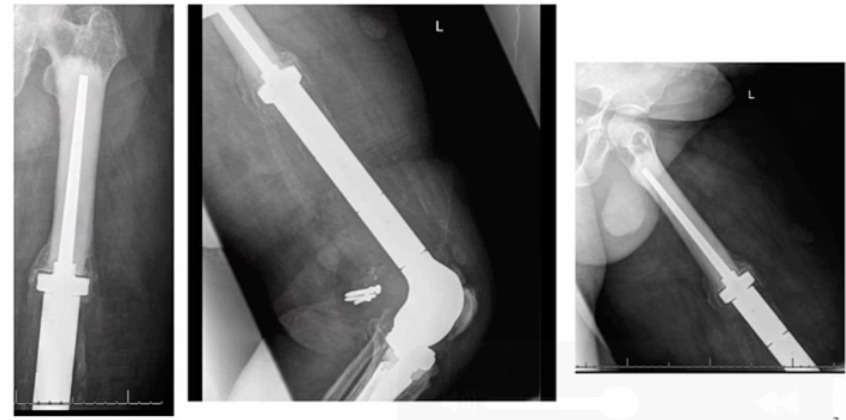
Early failure is a legitimate concern with this type of construct. At 5 years, however, the cement mantle remained satisfactory, bone ingrowth was evident around the implant, and the patient was functioning well. Longer follow-up will be necessary to determine the durability of this approach. The LINK OptiStem provides an additional contemporary option.
An uncemented construct may appear well suited to this case, particularly for surgeons experienced with press-fit fixation. Nevertheless, uncertainty regarding occult infection may favor antibiotic-loaded cement, which also provides effective void filling. A hybrid construct can combine these advantages with supplementary biological fixation. In this case, the custom implant team developed a technique intended to improve the longevity of the reconstruction.
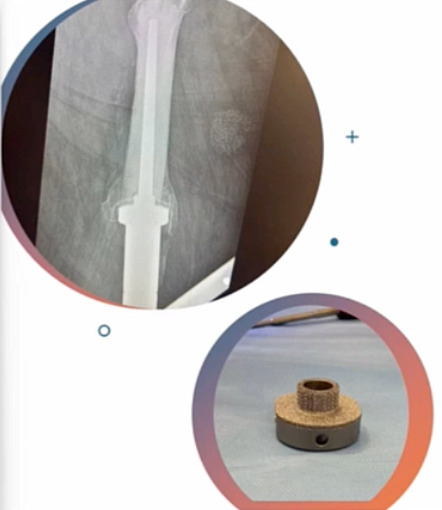
Endosteal collars are intended to reduce aseptic loosening after long-segment DFR and proximal femoral replacement (PFR), particularly in young, active patients. Available designs include traditional onlay collars, hydroxyapatite-coated devices, and porous metal meshes that promote osseointegration. The LINK TrabecuLink inlay is shown in Figure 3.
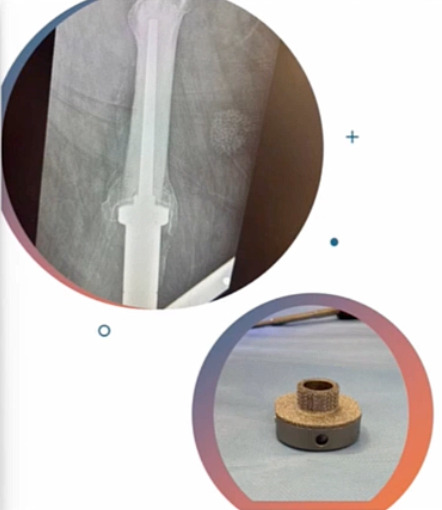
The inlay provides initial press-fit fixation comparable to that achieved with metaphyseal cones, after which cement can be introduced through the construct. Other inlay designs combine an uncemented collar with a cemented stem; however, this combination may compromise both optimal press-fit fixation and cementation technique.
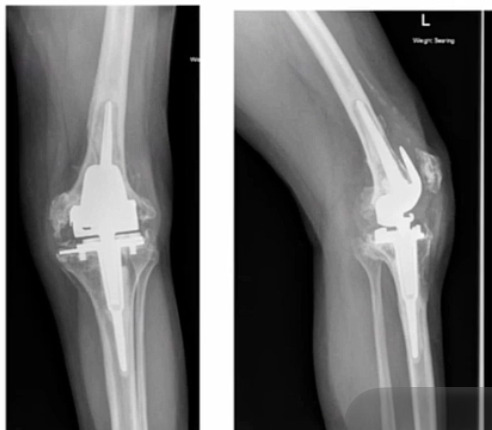
This patient was young and had poor bone quality, hemophilia with associated perioperative bleeding risk, and early failure of a previous revision procedure (Figure 4).
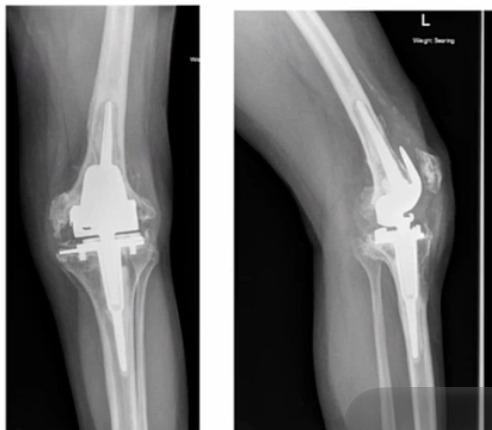
Early failure should prompt a comprehensive evaluation for infection. When that evaluation was negative, mechanical failure was considered the principal concern. The custom implant team created a short DFR using hybrid fixation, an endosteal collar, and cones (Figure 5). At 3-year follow-up, the patient was functioning well, and the re-revision implant had already outlasted the preceding revision. This is an important objective of contemporary revision technology.
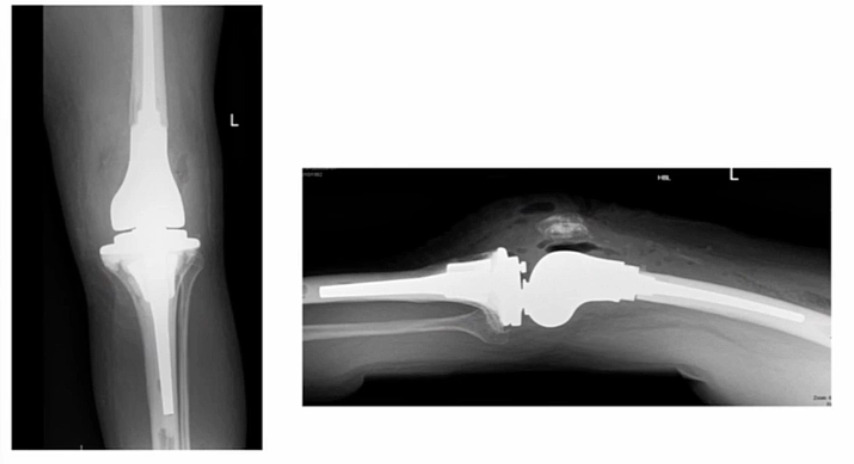
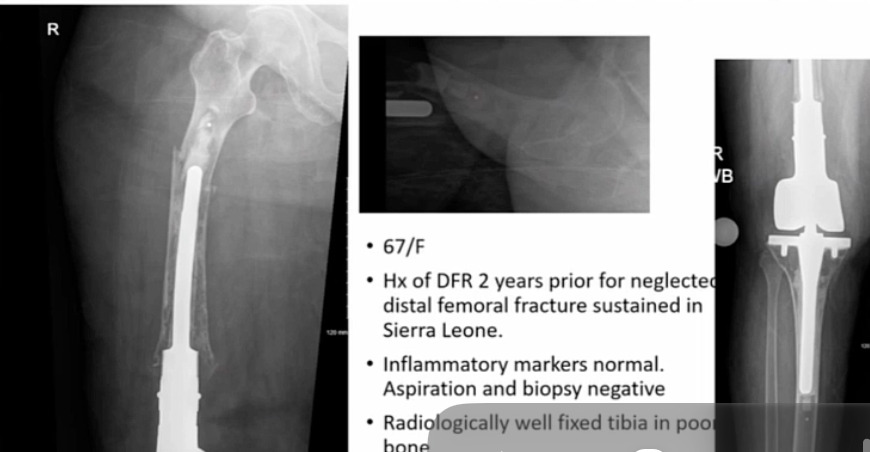
This case involved a 67-year-old patient who experienced early failure after DFR (Figure 6).
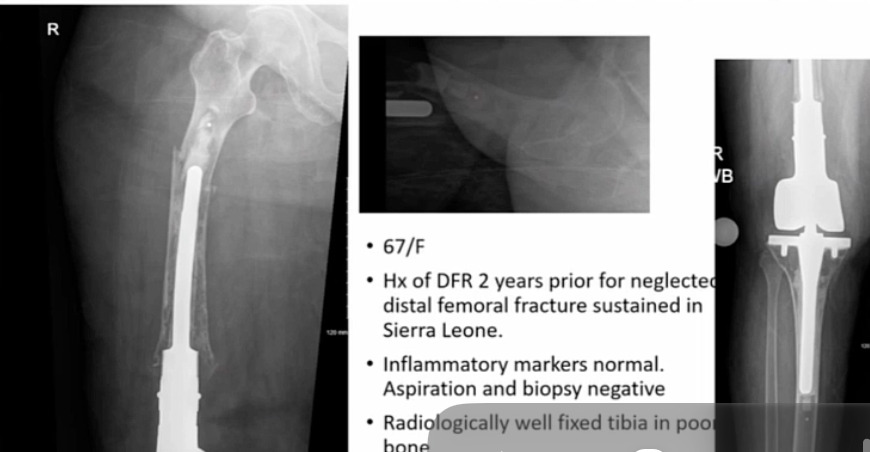
Although endoprosthetic reconstruction is intended to provide durable function, early failure remains a major concern. The patient had sustained a native fracture in Sierra Leone that was treated nonoperatively and had experienced prolonged immobility. Investigation did not identify infection. The tibial component was well fixed, but the surrounding bone was severely compromised. Removal using a tibial tubercle osteotomy would have carried substantial morbidity. In poor quality bone removing well fixed tibial components risks
Although removal of a well-fixed tibial component is occasionally successful, the associated risk can be substantial. Extensor mechanism compromise, protected mobilization after tibial tubercle repair in poor bone or soft tissue compromise complications from proximal tibial replacement.
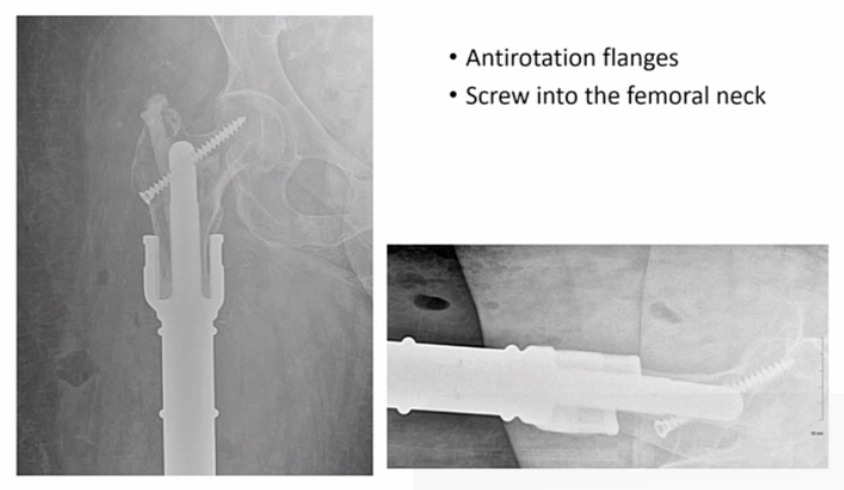
The residual proximal femur was short, creating several possible strategies: immediate conversion to TFR, nonoperative management, or a custom reconstruction that preserved the tibial component. Because the existing tibial component was not compatible with the preferred implant system, the reconstruction had to match the implanted system unless the well-fixed tibial component was removed. This case illustrates the importance of balancing familiarity with a preferred implant against the morbidity of removing a stable component. A custom solution was therefore developed in collaboration with a different engineering team (Figure 7).
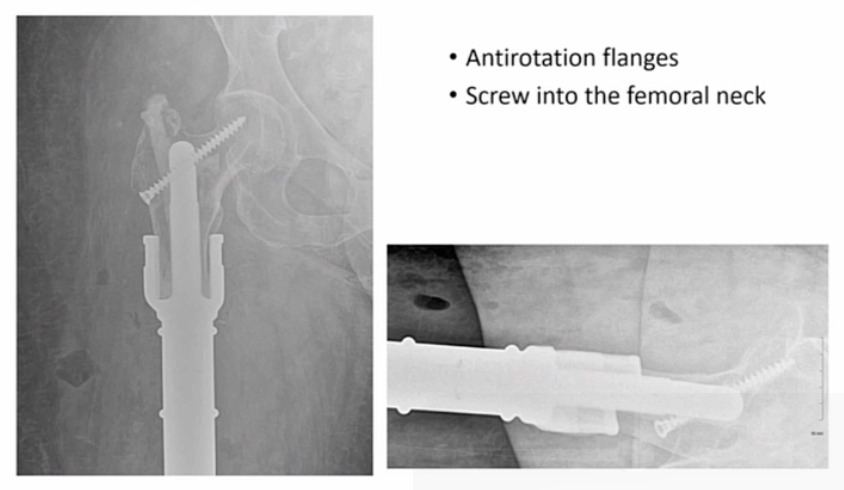
Rotational stability and maximal host-bone contact were central considerations. Although broad contact with the remaining bone improved rotational control, the residual segment was very short. Freehand placement of the supplementary lateral screw was technically demanding; a system-specific custom guide would have simplified placement while the cement cured. Nevertheless, the screw added available fixation. A TFR was available intraoperatively as a contingency, but conversion was not required. Early follow-up was satisfactory.
These difficult cases also demonstrate that one failure may be followed by additional complications (Figure 8).
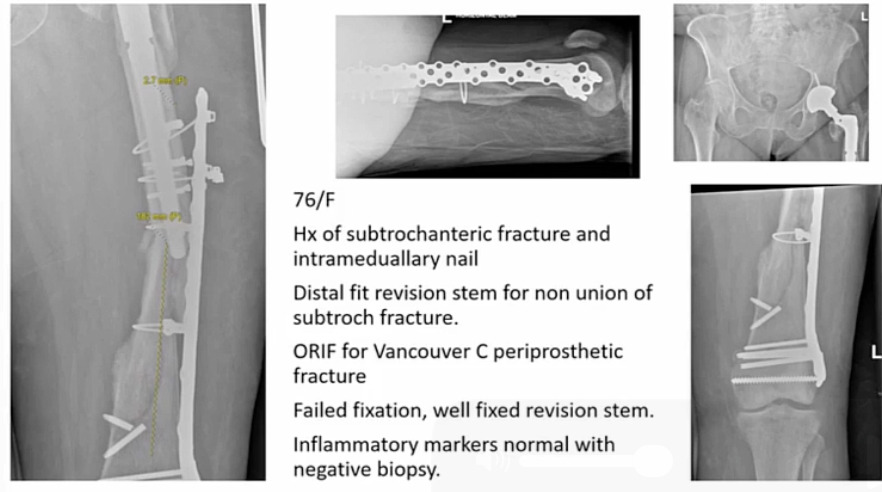
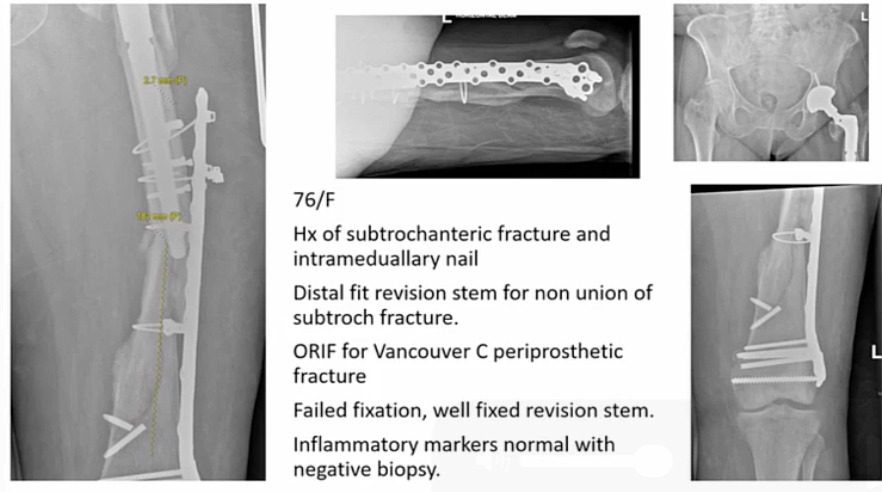
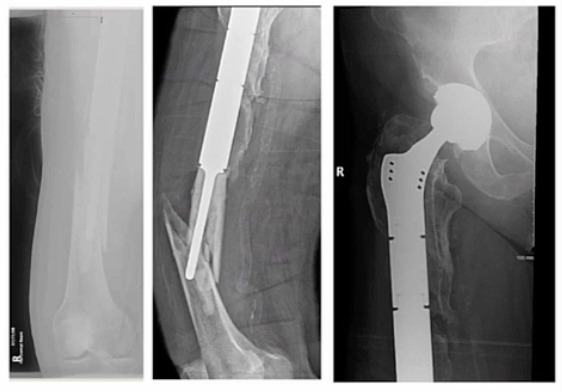
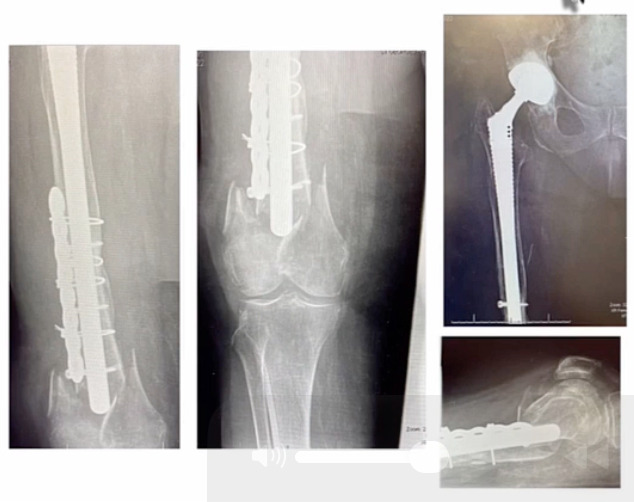
A 76-year-old patient sustained a subtrochanteric fracture that was initially treated with an intramedullary nail. After nail failure, the nonunion was revised elsewhere using a distal-fixation revision stem (Figure 8). A subsequent Vancouver type C fracture occurred below the stem and was treated with a short plate because of the nonunion’s location. A longer spanning plate contoured around the stem might have provided a more durable construct. Ultimately, the fixation plate failed while the revision stem remained well fixed. Infection remained a concern, but removal of the stem would have been highly morbid. The engineering team therefore developed a custom rescue sleeve on a short production timeline. The compromised bone was resected, and the rescue sleeve was placed over the residual segment. Cement and multiple supplementary screws were used to secure the construct (Figure 9).
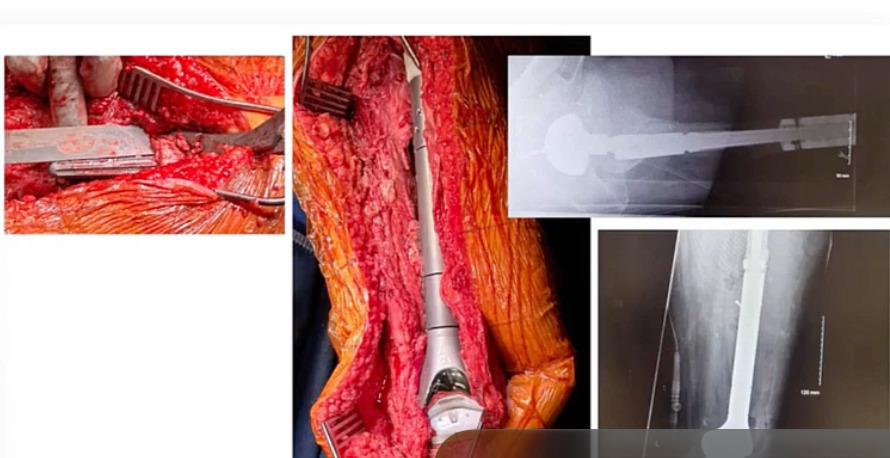
The patient was older and frail. Rapid production of the custom device permitted timely reconstruction, early mobilization, and discharge on foot after a prolonged period of impaired mobility at another hospital. Published evidence supports this approach (Table 1).
The published series are heterogeneous. Abdelaziz et al. reported on 26 patients, of whom 23 were available for follow-up, and described successive iterations of the technique over time (Abdelaziz et al. 2019). Custom interprosthetic sleeves offer a recognized method for preserving well-fixed implants and restoring mobility in older patients. Outcomes in this cohort were acceptable given the complexity of the cases. Patel et al. similarly reported favorable results in a series of 15 patients (Patel et al. 2014). This technique can be particularly valuable when the alternative is removal of a well-fixed, long uncemented stem.
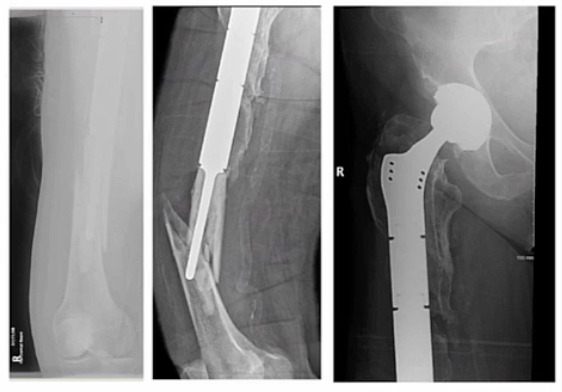
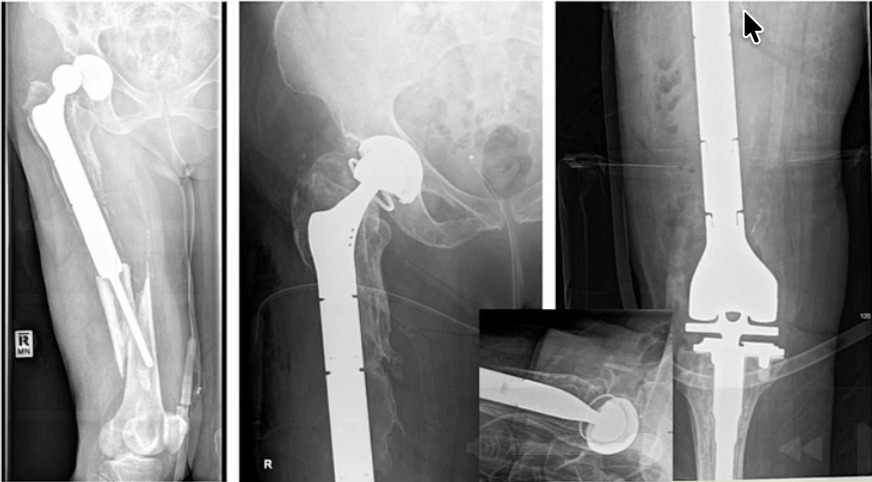
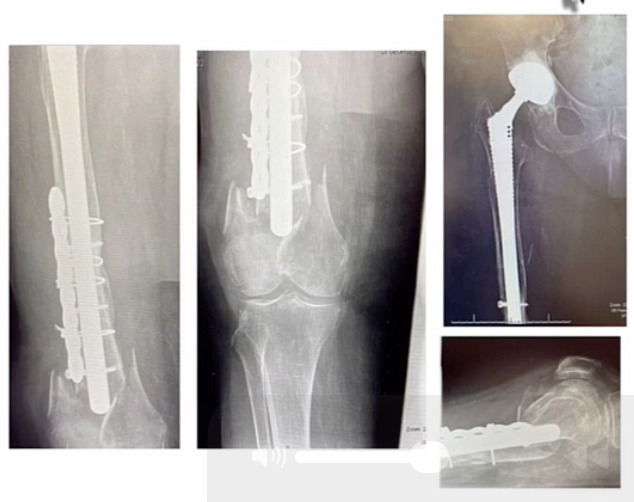
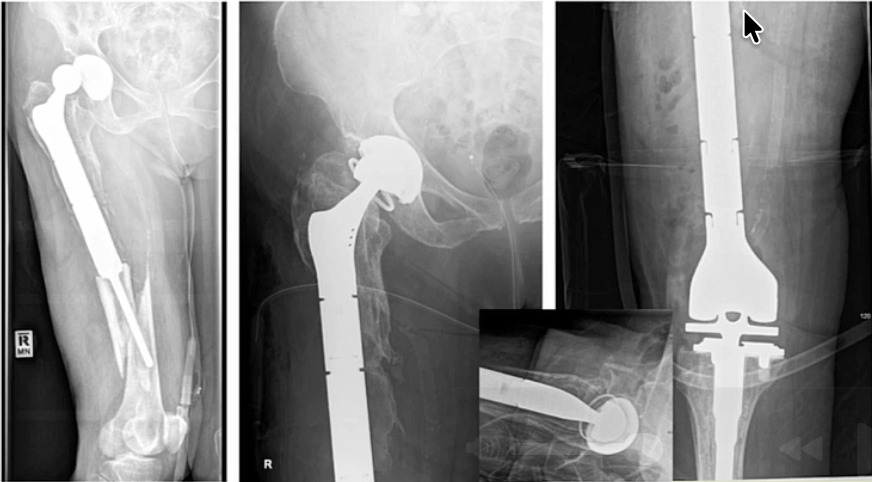
A 93-year-old woman was referred from another hospital with a previously implanted PFR that had become loose (Figure 10). Management of loosening in a very old patient requires balancing operative risk against the consequences of progressive failure. Deferring surgery may appear reasonable when symptoms are limited; however, subsequent fracture can make reconstruction substantially more difficult. In this case, the loose PFR had fractured. The patient remained cognitively intact and was physiologically younger than her chronological age, although her age still conferred considerable anesthetic risk.
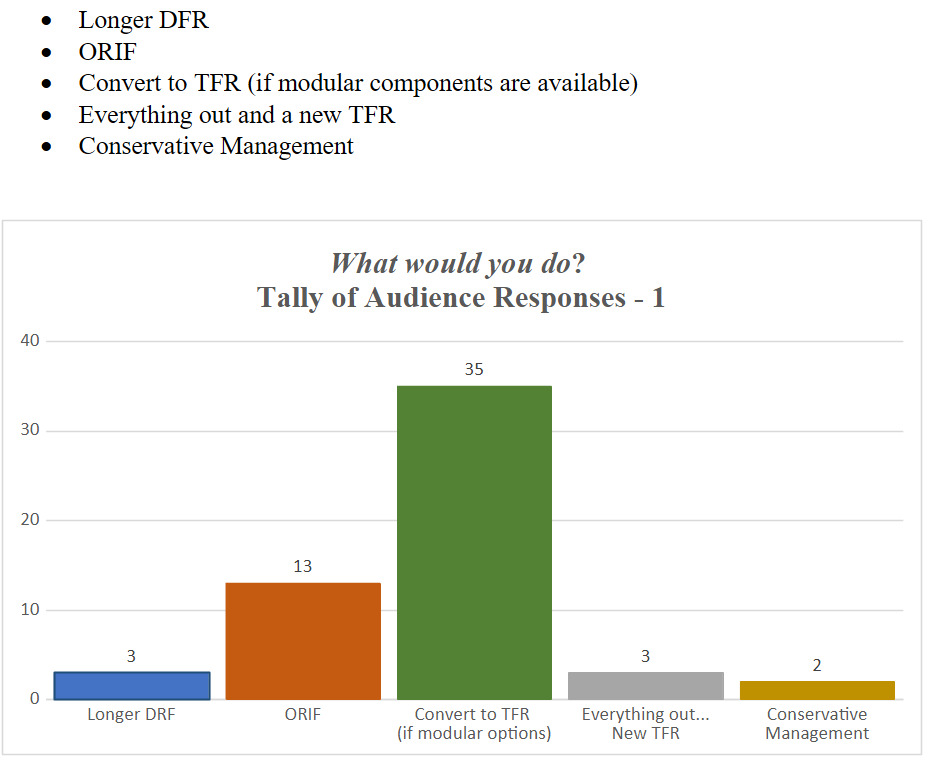
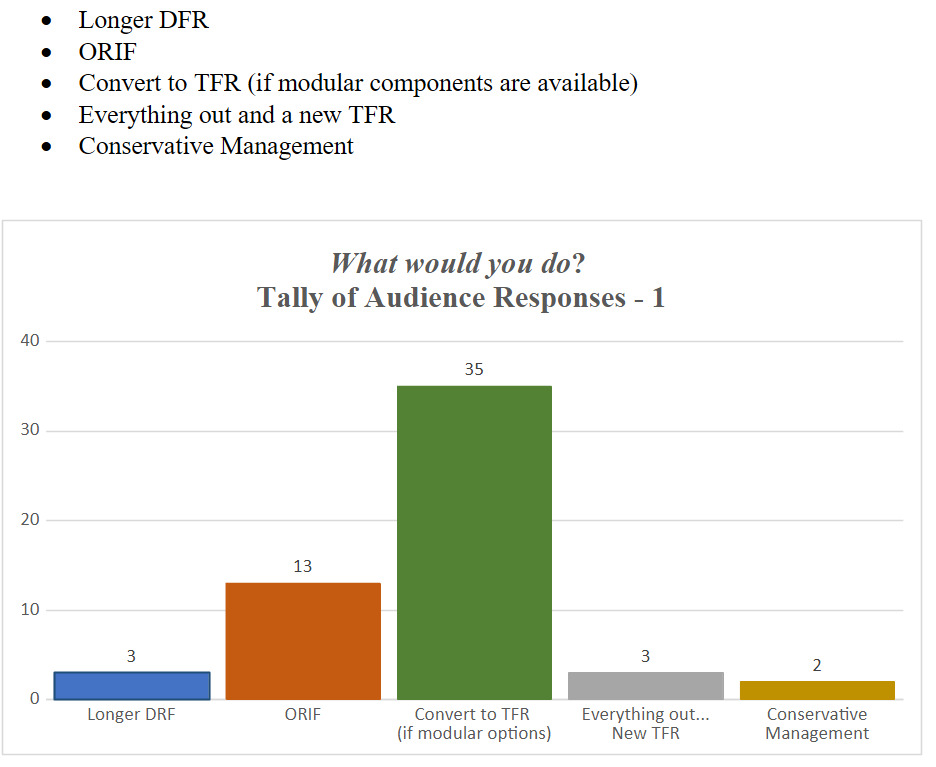
The range of proposed treatments reflected the absence of a clearly superior option. Computed tomography was reviewed with a trauma surgeon to determine whether fixation could provide sufficient stability for immediate weight bearing; it could not. The initial plan was to preserve the hip articulation and convert only the distal portion of the known modular system (Figure 10). Compatible components were obtained, but the hip was also dislocated by the time of surgery. Because the existing system accepted a constrained acetabular liner, the additional hip procedure remained limited. The construct was ultimately converted to a TFR because the remaining bone was insufficient for a longer DFR. TFR generally requires increased constraint at either the knee or hip to reduce rotational instability. In this 93-year-old patient, the existing acetabular component was well fixed, and the constrained reconstruction provided a pragmatic salvage solution (Figure 12).
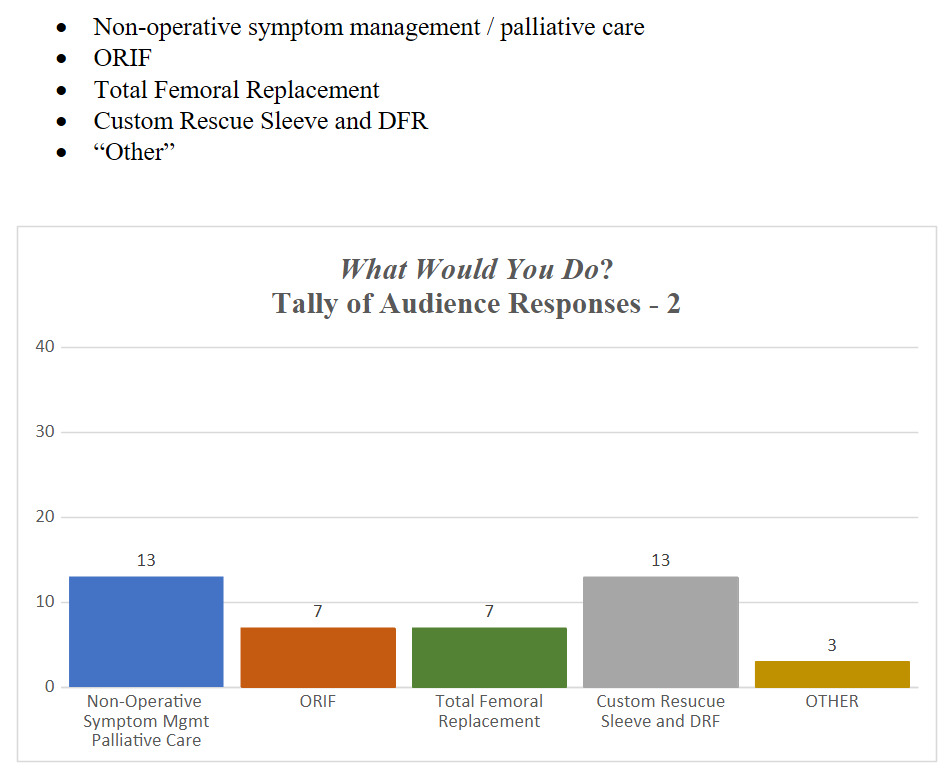
The next patient was a very old nursing-home resident whose clinical circumstances differed substantially from those of the preceding patient. She had dementia, American Society of Anesthesiologists (ASA) class IV risk, and pain at rest (Figure 13).
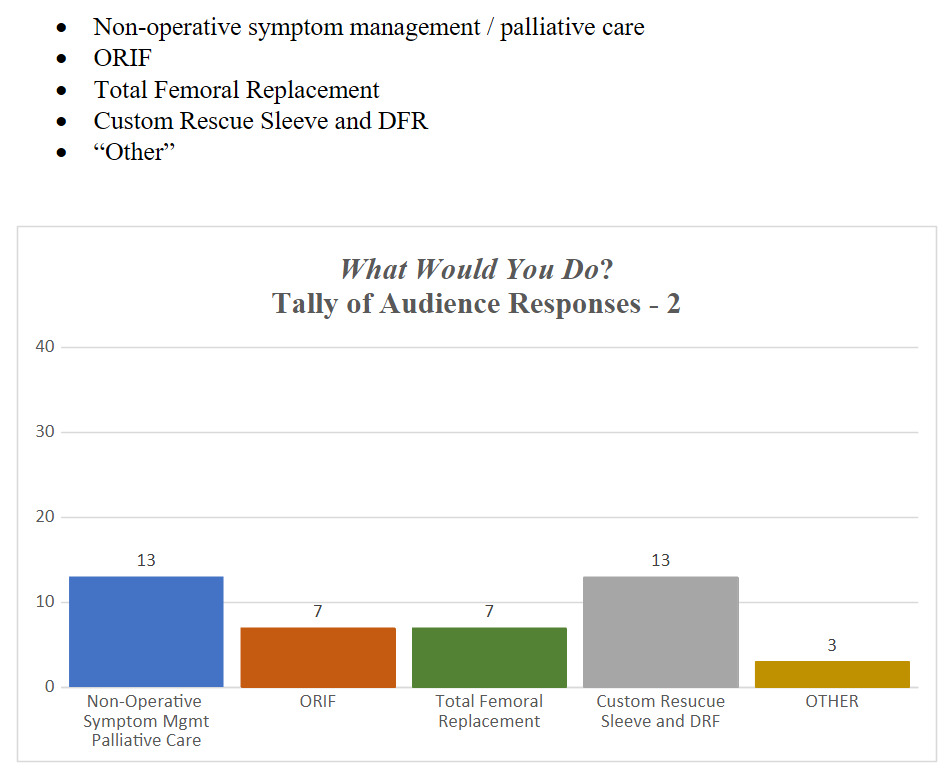
The medical team attempted for one week to restore bed-to-chair transfer, but the patient continued to experience constant pain at rest. Management therefore required a choice between nonoperative palliative care and a high-risk salvage operation. The principal options are summarized in Figure 14.
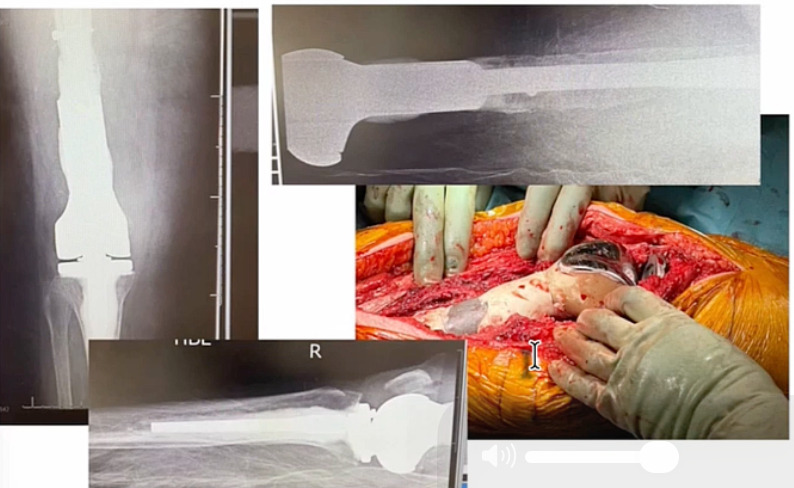
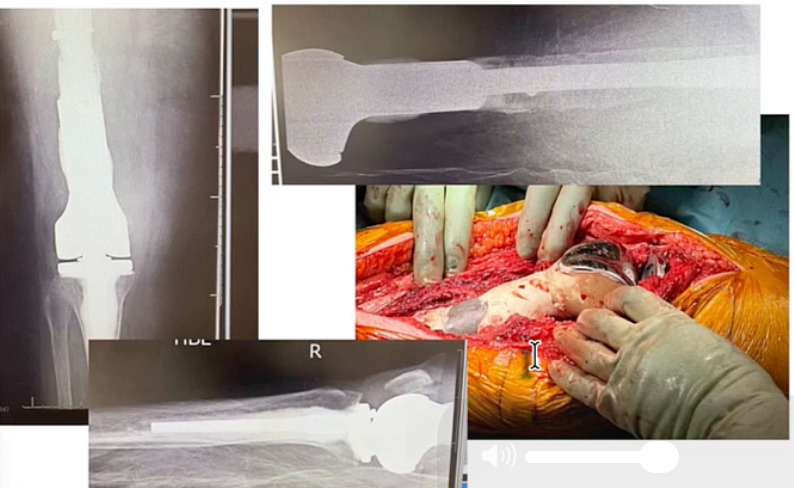
A pragmatic, improvised rescue construct was used. A cylindrical DFR segment was placed over the existing stem and connected to the knee using cement. At 5-year follow-up, the patient remained ambulatory within the nursing home despite persistent dementia. Although the reconstruction was not ideal, it achieved the immediate clinical goal in a patient who was unlikely to survive the delay required to manufacture a custom sleeve (Figure 15).
Selected patients may therefore benefit from unconventional salvage reconstruction when the patient or surrogate is fully informed, the family supports treatment, and the medical team considers the alternative to be imminent decline or death. These procedures require individualized judgment and should not be interpreted as routine solutions.
Published rescue-sleeve series should be interpreted in the context of follow-up duration, because additional failures may emerge over time.
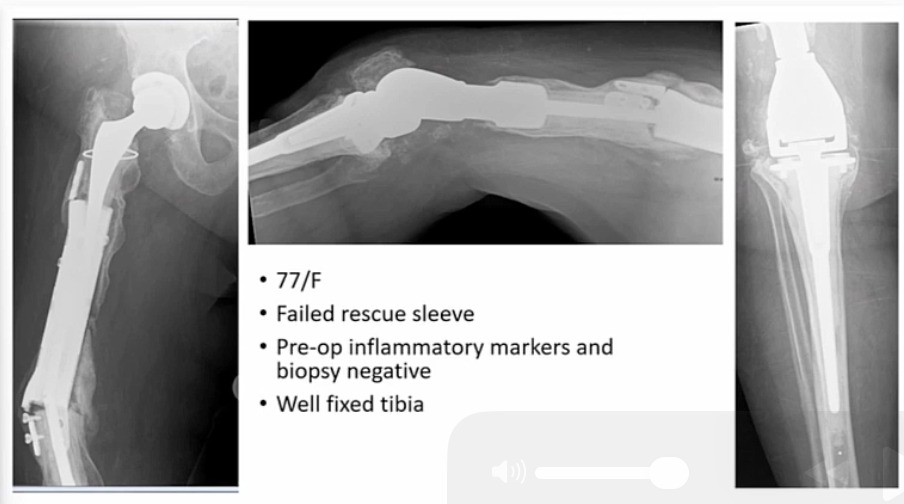
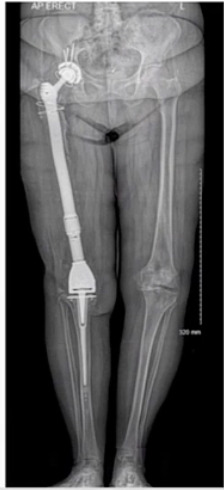
This case involved a 77-year-old patient with a failed rescue sleeve and normal inflammatory markers. The tibial component remained well fixed, and its removal would have been highly morbid (Figure 16).
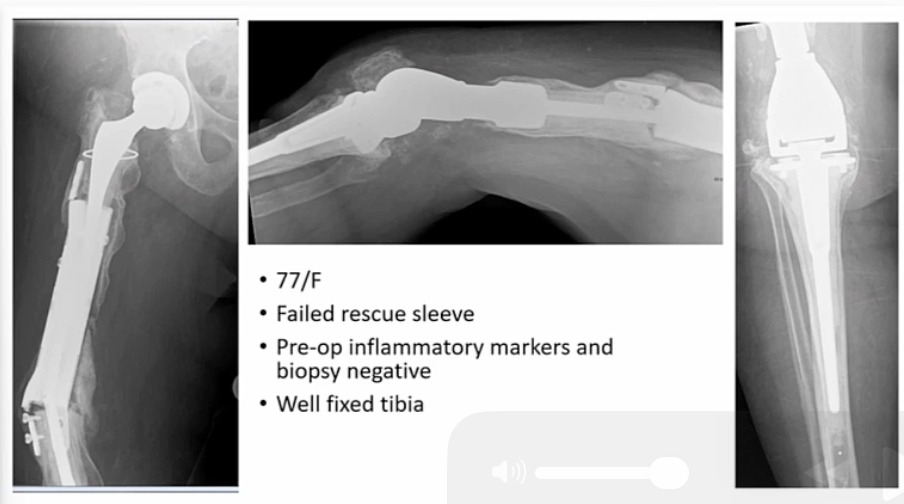
Compatible components were obtained, and the reconstruction was converted to a TFR with a constrained acetabular liner. This strategy produced a satisfactory result (Figure 17).
Outcomes of TFR performed for nononcologic indications are generally inferior to those reported after oncologic reconstruction. Available evidence consists largely of small series with limited follow-up. Although failure is not inevitable, long-term implant survival may approach only 50% in the most complex cohorts. Series containing a high proportion of patients with infection generally report worse outcomes, whereas patients treated for aseptic periprosthetic fracture tend to fare somewhat better. Infection, complex endoprosthetic reconstruction, and appropriate outcome measures remain important areas for further study (Murray et al. 2023).
Current results are therefore acceptable but remain far from ideal. Endoprosthetic reconstruction can be effective in very old patients when the primary objective is to restore mobility and avoid prolonged bed rest. The optimal strategy for younger patients remains less certain.
A meta-analysis of 35 studies comprising 1,002 TFRs demonstrated a substantial difference in infection rates between oncologic and nononcologic indications (Lari et al. 2024). This difference likely reflects the characteristics of the nononcologic population, which commonly includes:
-
Procedures performed in the setting of active or previous infection.
-
Older patients.
-
Patients with impaired host factors.
-
A high overall risk of failure.
In summary, complex patients with severe bone loss benefit from early collaboration with custom-implant teams and engineers, who may identify reconstructive options that are not otherwise apparent. Early failure requires a standard, rigorous assessment that includes history, examination, appropriate investigations, and the best available methods to exclude infection. When preservation of limited host bone is essential, customized fixation may help maximize the remaining bone stock.
-
Assess the modularity and compatibility of existing components.
-
When feasible, conversion to TFR using retained, well-fixed components may reduce morbidity and mortality and may limit instability compared with complete component removal.
-
Recognize that extensive disruption of the soft-tissue envelope may increase postoperative instability.
-
Avoid or delay TFR when technically feasible, particularly in younger patients, because long-term outcomes remain suboptimal and follow-up is frequently complicated by instability and infection.
-
Consider increased constraint when appropriate to reduce patellofemoral maltracking.