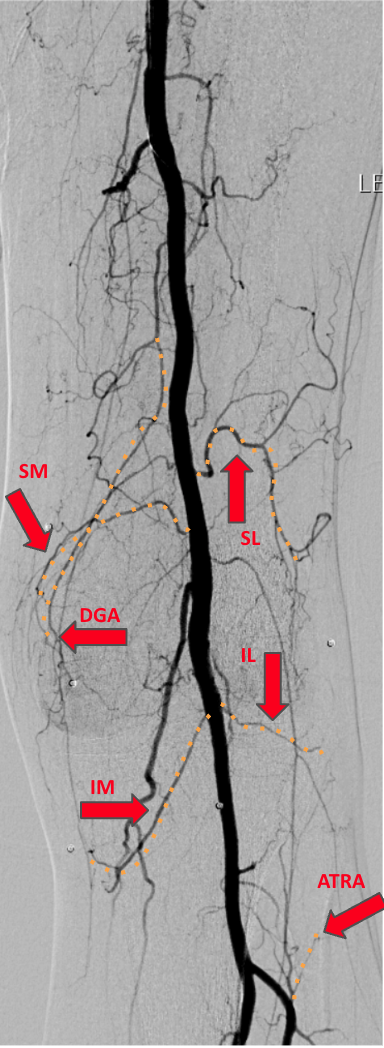
Loading [Contrib]/a11y/accessibility-menu.js

This website uses cookies

We use cookies to enhance your experience and support COUNTER Metrics for transparent reporting of readership statistics. Cookie data is not sold to third parties or used for marketing purposes.

Skip to main content
null
J Orthopaedic Experience & Innovation
  • Menu
  • Articles
    • Brief Report
    • Case Report
    • Case Series
    • Conference Proceedings
    • Data Paper
    • Editorial
    • Meeting Reports/Abstracts
    • Methods Article
    • Product Review
    • Research Article
    • Review Article
    • Review Articles
    • Systematic Review
    • All
  • For Authors
  • Editorial Board
  • About
  • Issues
  • Blog
  • "Open Mic" Topic Sessions
  • Advertisers
  • Recorded Content
  • CME
  • JOEI KOL Connect
  • Resident Research League
  • search
  • RSS feed (opens a modal with a link to feed)

RSS Feed

Enter the URL below into your favorite RSS reader.

https://journaloei.scholasticahq.com/feed
ISSN 2691-6541
Review Article
Vol. 7, Issue 2, 2026September 16, 2026 EDT

Genicular artery embolization for symptomatic knee osteoarthritis: A narrative review

Junaid Makda, MD, Ahmed Siddiqi, DO, MBA, FACS, Khalid Yousuf, MD, MS, Osman Ahmed, MD,
GAEgenicular artery embolizationknee osteoarthritispain managementnon opioid
Copyright Logoccby-nc-nd-4.0 • https://doi.org/10.60118/001c.162551

Articles in Vol. 7, Issue 2, 2026

Vol. 7, Issue 2, 2026
  • A Human Factors Analysis of Personal Electronic Device Use and Cognitive Distractions in Orthopedic Surgery
    Asfand KhanAlbert Boquet
  • Does Preoperative Suzetrigine Impact ASC Opioid Consumption For Total Joint Arthroplasty?
    Louis BattistaAndrew Wickline
  • Pickleball Pains: A 10-year Epidemiologic Analysis of Rising Upper Extremity Injuries
    Kevin ValdesAghdas MovassaghiJehad Feras AlSamhoriXiomara OrtizJocelyn LubertVani J. Sabesan
  • From Innovation to Inaccuracy: The Impact of ChatGPT on Orthopaedic Surgery Research Citations in Sports Medicine
    Calista StevensAlexander HahnGregory ConnorsShiraz MumtazMartinus MegallaZachary GraceJohn CorviMatthew PartanKatherine Coyner
  • Does CMS Hate Specialists?
    Benjamin Schwartz, MD
  • Voices in Orthopaedics™...The Residency Programs: The Unionized Orthopod: Apprenticeship, Labor, and the Changing Identity of Orthopedic Residency at Jefferson
    Eric R. TecceJalen N. BroomeTyler W. HenryGabriel I. Onor Jr.Daniel A. NemirovDaniel E. DavisJames J. Purtill
  • Cerclage Fixation in Total Hip Arthroplasty: Anatomy, Surgical Options and Clinical Outcomes
    Zuhdi AbdoZachary FullerThomas ChristensenAhmed Siddiqi
  • In My Experience™...Orthopaedics: Then, Now, and Tomorrow: Reflections on a Half Century of Change
    Richard Conn, MD
  • Genicular artery embolization for symptomatic knee osteoarthritis: A narrative review
    Junaid MakdaAhmed SiddiqiKhalid YousufOsman Ahmed
  • Simplifying Orthopedic Patient Education: A ChatGPT-Based Readability Analysis
    Mendel ShloushKlaudia GreerJonathan BruttiBrayden TolmanJacob RosenthalRafael Aldaya BourricaudyMarcia VarellaFernando Aran
  • Concurrent Floating Hip and Open Knee Dislocation: Damage-Control Management
    Sara LowVladislav MuldiiarovMark AyzenbergGermanuel LandfairGene Shaffer
  • Higher Pain Catastrophizing Scores are Associated with Increased Pre-operative Anxiety in Ambulatory Hand Surgery that is not Impacted by Watching a High-Quality Pre-Operative Video
    Christopher G. LarsenMichael J. SayeghAmr TawfikCaroline ApriglianoChloe HeitingKate W. Nellans
  • MOTIV™ and the Next Frontier of Orthopaedic Evidence Generation: A New Model for Physician-Led Clinical Research
    John Mercuri, MDAndrew Wickline, MD
  • Trends in Orthopedic Surgeons Signing Medicare Opt-Out Affidavits
    Thriaksh RajanAndre RevnewJoshua PortoMonish LavuComron SaifiAtul Kamath
  • Voices in Orthopaedics™...The Residency Programs: Training for the Future of Orthopaedic Surgery: Residents’ Perspective on the UT Austin Dell Medical School Orthopaedic Surgery Residency
    Cassidy ShieldsSemran ThamerAmanda SeymourAlec Giron
  • Beyond the Breaking Point: Solutions for Burnout in Orthopaedic Surgery
    Aghdas MovassaghiCamryn McIntyreSamir SakariaMitchell J. ChristiansenJocelyn LubertMary MulcaheyVani Sabesan
  • Feasibility and Early Experience of Custom Stemmed Tibial Trays in Revision Total Ankle Arthroplasty: A Case Series
    Grant M. ThomasKush S. ModyJoydeep BaidyaCorinne SommiDavid I. PedowitzSelene G. Parekh
  • Tibial Plafond Fractures and the Impact of Social Media Support Groups on Patient Perceptions
    Alexandra F. FlahertyDana PerimAnnie WaiteAlvarho GuzmanErnest N. Chisena
  • Retained Male Component After Intra-operative Dissociation of a Tibial Magnetic Lengthening Nail: A Case Report covering Technical Challenges and Management Strategies
    Eunice Anastasia WiliantoNeeraj MishraDerrick Jun Liang LamKenneth Pak Leung WongBenny Kai Guo LooAshik Mohammad
  • A physician led consensus building intervention at a multi-specialty practice results in meaningful reduction of opioid prescriptions for post-operative patients
    Jenna M. GodfreyJohn Paul BigouetteConnor FitzpatrickJohn W. OverHeather A. CampionErin C. Owen
  • From My Perspective… The Consent Discussion: The Robot Demands
    Stephen Howell
  • How to Assemble a Well-Fitting, Patient-Specific Antibiotic Cement Hip Spacer for Infection Management
    Ahmed Nageeb MahmoudNicholas BruleCatherine Mary DoyleGabriel MakarDaniel Horwitz
  • In My Experience™...Biointegrative Collagen Implant Use in Complex Hip and Knee Arthroplasty: Early Clinical Experience and Second-Look Observations
    Chris Hoedt, MD
  • Force-Modulating Tissue Bridges in Sports Medicine Incision Management: A First 100-Case Experience Evaluating Allergic Reactions and Postoperative Complications
    John A GrottingEge Karadag
J Orthopaedic Experience & Innovation
Makda, Junaid, Ahmed Siddiqi, Khalid Yousuf, and Osman Ahmed. 2026. “Genicular Artery Embolization for Symptomatic Knee Osteoarthritis: A Narrative Review.” Journal of Orthopaedic Experience & Innovation 7 (2). https://doi.org/10.60118/001c.162551.
Save article as...▾
Download all (1)
  • Figure 1. Selective angiography demonstrating genicular arterial anatomy and targets for genicular artery embolization.
    Download

Error

Sorry, something went wrong. Please try again.

If this problem reoccurs, please contact Scholastica Support

Error message:

undefined

View more stats

Abstract

Knee osteoarthritis (KOA) is a highly prevalent and debilitating condition associated with substantial physical, psychological, and socioeconomic burden. For patients in whom conservative therapy has failed and who are unable or unwilling to undergo arthroplasty, treatment options remain limited. Genicular artery embolization (GAE) has emerged as a minimally invasive investigational therapy performed by interventional radiologists and vascular specialists which targets the synovial inflammation and pathological neo-angiogenesis central to KOA pathophysiology. Preclinical studies, imaging analyses, and biomarker data support the mechanistic rationale for GAE, demonstrating reductions in synovitis, hypervascularity, and inflammatory mediators. Existing clinical studies report high technical success rates, reported improvements in pain and function, and low complication rates following GAE. However, current evidence remains limited by the predominance of single-arm studies and the substantial placebo response associated with interventional pain procedures. Notably, three randomized sham-controlled trials have demonstrated mixed results, with one study showing significant benefit and two showing no significant difference compared with sham intervention. Multiple ongoing sham-controlled and investigational device exemption (IDE) trials are expected to better define the true treatment effect, optimal patient selection, and long-term role of GAE within evidence-based KOA management.

Introduction

Knee osteoarthritis (KOA) is a chronic debilitating disease characterized by pain, stiffness, and loss of function, impacting over 654 million patients worldwide (Laslett et al. 2024). KOA carries a substantial public health burden, as the lifetime risk of developing it is estimated at 40% in men and 47% in women (Suri et al. 2012). KOA is also the most common cause of chronic pain and activity limitation in adults, with reduced physical activity leading to progressive deconditioning, functional decline, and disability. Patients with KOA have been shown to experience higher all-cause mortality rates than age-matched controls, likely mediated in part through reduced mobility, cardiovascular comorbidity, and physical deconditioning (Hawker 2019). Similarly, KOA is also associated with a higher incidence of coronary artery disease and represents a known risk factor for myocardial infarction (Chung et al. 2016; Courties et al. 2017; Schieir et al. 2017). Due to the loss of physical independence, KOA is also linked to poor mental health, including a higher risk for depression and suicidal ideation (Kye and Park 2017; Veronese et al. 2017). The combined physical and mental toll from KOA results in a large financial burden, both from direct medical costs and loss of work productivity (Hawker 2019; Losina et al. 2015).

Initial therapies to manage KOA include both pharmacologic (i.e. oral and topical NSAIDs, intra-articular corticosteroids, etc.) and non-pharmacologic (i.e. physical therapy, weight loss, Tai Chi, etc.) interventions (Bannuru et al. 2019). Additional nonoperative therapies frequently utilized for symptomatic KOA include platelet-rich plasma injections, hyaluronic acid injections, genicular nerve radiofrequency ablation, stem cell-based therapies, and hybrid injection strategies. For end stage disease that has failed conservative therapy, total knee arthroplasty (TKA) is indicated. However, it is estimated that up to 50% of patients who fail medical management are either not candidates for or elect not to undergo knee replacement, often due to potentially modifiable barriers such as psychosocial, financial, or access-related factors (Bannuru et al. 2019; London et al. 2011). As a result, a large treatment gap exists for patients with symptomatic KOA in whom alternative therapies are warranted. This treatment gap is estimated to represent 5 million patients in the United States alone with present gap-filling therapies including genicular nerve ablation, plasma rich platelets, stem cells, and/or hybrid injections (London et al. 2011).

To address the ongoing unmet need for minimally invasive treatment options in KOA, Okuno et al. first reported the use of genicular artery embolization (GAE) in 2014 for patients with medically refractory symptomatic KOA (Okuno et al. 2015). Initially developed and utilized by interventional radiologists and vascular specialists to manage recurrent hemarthrosis following TKA, GAE has more recently emerged as a potential therapeutic option for primary KOA, with growing global and United States adoption (Badar, Al-Qawasmi, et al. 2025; Sapoval et al. 2024; Taslakian et al. 2025; Cusumano et al. 2024; Fleckenstein et al. 2025; Little et al. 2024). Although the present review focuses primarily on native knee osteoarthritis, GAE has also been investigated in select patients with persistent pain or recurrent hemarthrosis following arthroplasty. Multiple clinical reports now document its favorable safety profile and therapeutic efficacy, and devices used for this indication have recently received CE mark approval in Europe (Badar, Al-Qawasmi, et al. 2025; Sapoval et al. 2024; Taslakian et al. 2025; Cusumano et al. 2024; Fleckenstein et al. 2025; Little et al. 2024). This narrative review provides a comprehensive overview of GAE for KOA, summarizing current understanding of its mechanism of action, procedural technique, patient selection criteria, clinical evidence, and emerging future research directions.

Mechanism of Action

Often initiated by mechanical factors and joint injury, KOA is a complex disease with multiple clinical phenotypes. Although not the sole contributor, synovial inflammation plays a central role in the pathogenesis and progression of KOA and represents a key driver of pain and joint dysfunction (Felson et al. 2016). Evidence from imaging studies and preclinical models consistently demonstrate synovitis in KOA, manifested by synovial lining hyperplasia, infiltration of inflammatory cells, and increased synthesis of pro-inflammatory mediators within the joint environment. It has been shown that degenerating cartilage releases cartilage debris and catabolic cytokines, including TNF-α, IL-1β, and various matrix metalloproteinases, which enter the synovial space and perpetuate a cycle of chronic low-grade inflammation (Gisslén and Alfredson 2005; Korchi et al. 2019; Guermazi, Roemer, and Hayashi 2011; Alfredson et al. 2003). This inflammatory environment promotes pathologic neo-angiogenesis within the synovium and adjacent cartilage (Gisslén and Alfredson 2005; Korchi et al. 2019; Guermazi, Roemer, and Hayashi 2011; Alfredson et al. 2003). The ingrowth of newly formed blood vessels is accompanied by perivascular nerve proliferation, facilitating nociceptive nerve extension into previously aneural regions of the joint (Pap and Distler 2005; Walsh et al. 1996; Haywood et al. 2003; Mapp and Walsh 2012; Berenbaum 2013). These aberrant nerve fibers contribute to peripheral sensitization, leading to heightened pain responses to mechanical and chemical stimuli and play a central role in KOA-related pain and functional impairment (Walsh et al. 1996; Haywood et al. 2003; Mapp and Walsh 2012; Berenbaum 2013).

GAE is hypothesized to exert its therapeutic effect in symptomatic KOA by targeting the synovial inflammation and pathological neo-angiogenesis that contribute to pain generation and disease persistence (Pap and Distler 2005; Okuno et al. 2017). In KOA, angiogenic hypervascularity develops within the synovium and periarticular tissues due to chronic inflammation (Gisslén and Alfredson 2005; Korchi et al. 2019; Guermazi, Roemer, and Hayashi 2011; Alfredson et al. 2003). GAE selectively embolizes these pathologically hyperemic genicular arterial branches while preserving perfusion to the parent vessels and surrounding normal tissues (Badar et al. 2023). By occluding these abnormal neovascular networks associated with inflammation, GAE is postulated to interrupt angiogenic signaling, reduce synovial hypervascularity, and attenuate perivascular nerve proliferation, thereby modulating nociceptive pathways (Pap and Distler 2005). Collectively, disruption of these interconnected vascular, inflammatory, and neurogenic mechanisms is believed to contribute to the reduction of pain and improvement in symptoms observed after GAE. Importantly, these proposed mechanisms remain biologically plausible but incompletely validated in humans, and the extent to which these changes directly translate into clinically meaningful symptom improvement remains an active area of investigation.

Preclinical and clinical evidence supports the hypothesis that GAE can attenuate synovial inflammation in KOA. In a controlled preclinical study, Choi et al. utilized a rabbit model of KOA induced by anterior cruciate ligament transection and partial medial meniscectomy (Ro et al. 2023). Following MRI confirmation of synovitis, 15 animals were randomized to undergo either GAE or a similar sham procedure. Histologic analysis demonstrated that the GAE group exhibited reduced synovial proliferation, diminished villous hypertrophy, and lower degrees of stromal hyperplasia compared with sham controls (Ro et al. 2023). Additionally, CD3+ inflammatory cell density, a marker of chronic inflammation and tissue injury, was significantly lower in the embolization cohort, further supporting the anti-inflammatory potential of GAE (Ro et al. 2023). In another preclinical study by Matsuyama et al, intraarterial administration of imipenem/cilastatin sodium significantly reduced pain in a rat model of knee osteoarthritis when compared to (sham) intraarterial saline injection, as shown by increased mechanical pain thresholds and decreased nociceptive signaling in the spinal dorsal horn (Matsuyama et al. 2025). The analgesic effect was observed only with local intra-arterial delivery (versus IV administration), supporting a localized vascular mechanism rather than a systemic drug effect (Matsuyama et al. 2025). While not confirmed in humans, the findings of this study provide objective behavioral and electrophysiologic evidence that microvascular embolization may underlie the pain relief observed clinically with arterial embolization for knee osteoarthritis.

Clinical imaging studies similarly suggest that GAE may reduce synovitis in human KOA. In a cohort of 33 patients, Dablan et al. evaluated contrast-enhanced MRI performed before and three months after GAE (Dablan et al. 2024). Synovitis severity, graded using a validated semi-quantitative scoring system described by Guermazi et al., demonstrated a significant decrease in synovial contrast enhancement scores from 5.1 to 2.9 post-procedure (Dablan et al. 2024; Guermazi, Roemer, Hayashi, et al. 2011). Complementary findings were reported by Badar et al., who assessed both qualitative and quantitative perfusion metrics before and after GAE using angiography and CT-perfusion (Badar et al. 2023). This study confirmed reduced perfusion in regions of pathologic hypervascularity, while perfusion to the parent genicular arteries remained preserved, indicating selective reduction of abnormal synovial hyperemia in GAE (Badar et al. 2023). Of note, neither study showed a negative impact on subchondral bone perfusion or evidence of osteonecrosis (Badar et al. 2023; Dablan et al. 2024).

Biomarker analysis has also established a link between GAE and decreased inflammation. Taslakian et al. evaluated the biochemical and clinical response GAE in a cohort of 25 patients through serial post-procedural biomarker analysis (Taslakian et al. 2025). In addition to demonstrating sustained reductions in WOMAC pain scores through 12 months, the authors observed significant decreases in circulating vascular endothelial growth factor (VEGF) and interleukin-1 receptor antagonist (IL-1RA) levels following embolization (Taslakian et al. 2025). These findings suggest a biologically plausible association between localized symptom improvement and modulation of systemic inflammatory pathways with GAE. While serum biomarker changes may not reliably reflect intra-articular biology, biomarker assessment as a response to therapy is a growing area of research within the IR literature.

Genicular artery embolization – Technique and Approach

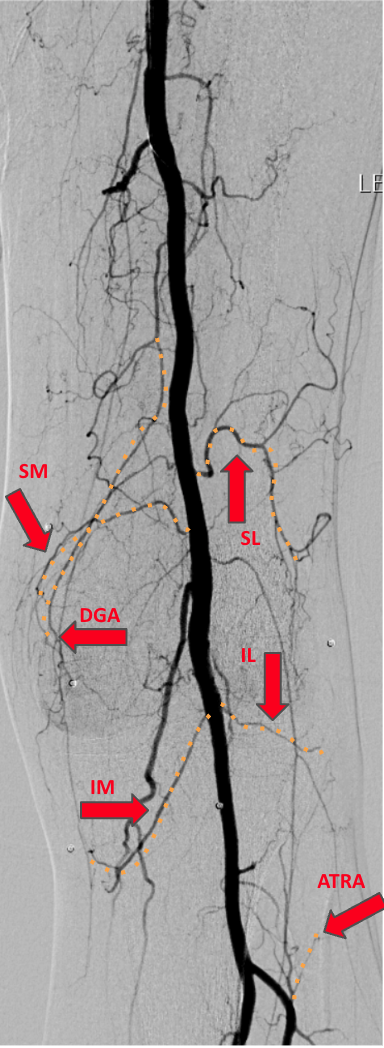
GAE is a minimally invasive, image-guided procedure performed by interventional radiologists and vascular specialists with specialized expertise in embolotherapy. Although procedural nuances vary across operators, GAE is generally conducted in the outpatient setting with minimal or no sedation (Ahmed et al. 2025). Arterial access is typically obtained via the ipsilateral common or superficial femoral artery using an antegrade approach (Padia 2025). Following this, a diagnostic angiogram of the affected limb is performed. Initial non-selective angiography is used to identify the principal arterial supply to the knee, including the descending genicular artery, superior medial genicular artery, superior lateral genicular artery, inferior medial genicular artery, inferior lateral genicular artery, and the recurrent anterior tibial artery (Ahmed et al. 2025; Padia 2025). Embolization of the median genicular and superior patellar arteries may also be considered although this remains an area of debate and future research in interventional radiology. Selective angiography delineates the complex periarticular genicular arterial network and highlights areas of pathologic synovial hypervascularity targeted during embolization (Figure 1).
A close-up of a scan of a body AI-generated content may be incorrect.
Figure 1.Selective angiography demonstrating genicular arterial anatomy and targets for genicular artery embolization.

Digital subtraction angiography of the knee demonstrates the periarticular genicular arterial network with focal regions of pathologic synovial hypervascularity (dotted outlines). Labeled vessels include the superior medial (SM), superior lateral (SL), descending genicular artery (DGA), inferior medial (IM), inferior lateral (IL), and recurrent anterior tibial artery (ATRA). These hyperemic microvascular territories represent typical embolization targets during genicular artery embolization, while preserving antegrade flow within the parent arteries.

A microcatheter (often 2.0 Fr or smaller) is then used for selective catheterization of genicular arteries (Padia 2025). Selective angiography enables detailed evaluation for areas of pathologic synovial or subchondral neo-angiogenesis, often visualized as focal hyperemia or abnormal vascular “blush.” (Ahmed et al. 2025) When target neovascularity is identified, embolization is performed using the “pruning” technique, in which hyperemic microvascular flow is occluded while preserving antegrade perfusion within the parent genicular artery (Ahmed et al. 2025; Padia 2025). A variety of agents for embolization have been described, including temporary agents (e.g., imipenem–cilastatin, lipiodol-based emulsions) and permanent or resorbable microspheres (Ahmed et al. 2025). Limited head-to-head data exists comparing embolic types, with most agents showing similar efficacy and utilization driven by operator preference and device availability. Recent data however does suggest less side effects and post-procedure pain with temporary/resorbable embolics (Badar, Alkhani, et al. 2025b). At present, embolization protocols remain heterogeneous across published studies, including variation in embolic selection, number of treated vessels, procedural endpoints, and angiographic technique. As such, embolic choice and procedural strategy remain largely operator dependent and institution specific.

Typically, up to four genicular branches are treated per session. A completion angiogram from the superficial femoral artery is subsequently performed to confirm reduction or resolution of neo-vascularity. At the conclusion of the procedure, all catheters and wires are removed, and hemostasis is achieved using either a vascular closure device or manual compression. Patients are monitored for 2–4 hours for access-related complications (i.e. hematoma) before discharge (Padia 2025). Post-procedurally, patients may experience mild transient knee soreness for up to one week, typically managed conservatively with NSAIDs, acetaminophen, or rarely oral corticosteroids. Temporary skin discoloration may occur—more commonly with permanent embolic agents—and can persist for several weeks to a month. Symptomatic improvement following GAE may be observed as early as one week, although maximal benefit often occurs by one month (Ahmed et al. 2025).

GAE is generally well tolerated, with a low overall rate of complication cited in literature by operators experienced in embolotherapy (Abussa and Jeremic 2025). Patients are instructed to monitor for access site issues such as hematoma or pseudoaneurysm. GAE-related complications are rare and include localized skin ischemia or necrosis, deep venous thrombosis, vasculitis, and transient sensory paresthesias. Notably, no cases of osteomyelitis, osteonecrosis, or permanent neurologic injury have been reported in the literature to date with some studies reporting out to 4 years (Okuno et al. 2017).

Clinical Outcomes and Patient Selection

Current clinical evidence suggests that GAE is a feasible and generally safe intervention for symptomatic KOA, although definitive therapeutic efficacy remains incompletely established due to the limited number of high-quality sham-controlled studies. Technical success rates approach 100% across published studies (Abussa and Jeremic 2025). Multiple prospective trials and systematic reviews from international cohorts report consistent clinical outcomes. Fleckenstein et al. presented one of the largest series to date, showing a reduction in median KOOS pain scores from 7 at baseline to 3 at 12 months in 333 patients (Fleckenstein et al. 2025). In a prospective study of 72 patients, Okuno et al. observed durable symptomatic improvement extending to 4 years, with 2-year post-procedure MRI demonstrating significant reductions in synovitis (Okuno et al. 2017). Similarly, an FDA IDE prospective study by Cusumano et al. reported sustained benefit, with 47.7% of patients achieving >50% improvement in WOMAC scores at 24 months (Cusumano et al. 2024). A pooled meta-analysis of 351 treated knees demonstrated reductions in VAS pain scores ranging from 30–41 points (0–100 scale) at 6–12 months (Taslakian et al. 2023). However, interpretation of these findings should be tempered by the predominance of single-arm study designs and the recognized placebo response associated with interventional pain procedures. A summary of existing contemporary studies is provided in Table 1.

Table 1.GAE-Related Studies – Summary Table with PubMed ID and Outcomes
Study Year Sample Size Embolic Agent Comparator Arm Primary Clinical Outcome Summary (Efficacy + AEs)
Okuno et al. 2015 n=14 IPM/CS, Embozene None WOMAC pain and total scores: −84–88% vs baseline at 12 mo (p < 0.001)
no major adverse events
Okuno et al. 2017 n=72 IPM/CS, Embozene None WOMAC pain and total scores: −79–86% vs baseline at 24 mo (p < 0.001)
no major adverse events
Lee et al. 2019 n=71 IPM/CS None Visual analogue scale pain score: −65% vs baseline at 10 mo
no major adverse events
Bagla et al. 2020 n=20 Embozene None Visual analogue scale and WOMAC total scores: −49–59% vs baseline at 6 mo (p < 0.01)
no major adverse events
Landers et al. 2020 n=10 IPM/CS None Knee Injury and Osteoarthritis Outcome Score pain and function: +5–8% vs baseline at 24 mo
no major adverse events
Little et al. 2021 n=38 Embosphere None Visual analogue scale pain and Knee Injury and Osteoarthritis Outcome Score pain: −25% to +26% vs baseline at 12 mo (p < 0.05)
no major adverse events
Padia et al. 2021 n=40 Embozene None Visual analogue scale pain score: −67% vs baseline at 12 mo;
treatment-related adverse events included minor skin ulceration and asymptomatic bone infarct
Bagla et al. 2022 n=21 (GAE), 7 (sham) Optisphere Sham Procedure Visual analogue scale pain score: −67% vs baseline at 12 mo (p < 0.001)
minor treatment-related adverse events (purpura, skin changes, access-site hematoma)
Taslakian et al. 2023 n=16 Embozene None Visual analogue scale pain score: −73% vs baseline at 12 mo (p = 0.031)
treatment-related adverse events included transient skin changes and one asymptomatic focal patellar osteonecrosis
Landers et al. 2023 n=59 IPM/CS Sham Procedure Knee Injury and Osteoarthritis Outcome Score pain: −41% vs baseline at 12 mo
no treatment-related adverse events
Chau et al. 2023 n=12 Embozene None Visual analogue scale pain score (walking): −48% vs baseline at 6 mo (p < 0.05)
treatment-related adverse events included transient skin discoloration and short-term post-procedural pain increase
Shaker et al. 2023 n=16 Embosphere None −67% vs baseline at 6 mo (p < 0.001)
no major treatment-related adverse events
Gorsi et al. 2024 n=10 Embozene None Visual analogue scale pain score: −45% vs baseline at 6 mo
treatment-related adverse events included transient skin discoloration and minimal access-site bruising
Sapoval et al. 2024 n=22 LipioJoint (ethiodized oil emulsion) None Visual analogue scale pain score: −50% vs baseline at 3 mo (p < 0.001)
treatment-related adverse events included one reversible renal function worsening and transient knee erythema/edema
van Zadelhoff et al. 2024 n=58 (29 GAE, 29 sham) Permanent microspheres (Embozene 75–100 µm) Sham Procedure Knee Injury and Osteoarthritis Outcome Score pain: +48% vs baseline at 4 mo (p = 0.31)
treatment-related adverse events included transient skin erythema and two cases of persistent lateral ankle paraesthesia
Dablan et al. 2024 n=33 IPM/CS None Visual analogue scale pain score: −51% vs baseline at 3 mo (p < 0.001)
treatment-related adverse events included transient skin discoloration
Cusumano et al. 2024 n=40 Embozene (100 µm) None Western Ontario and McMaster Universities Osteoarthritis Index total score: −59% vs baseline at 24 mo
treatment-related adverse events included self-limited skin ulceration, one groin hematoma, and asymptomatic small bone infarcts
Hasan et al. 2025 n=2 Embosphere (100–300 µm) None Case 1: KOOS +214%
Case 2: KOOS +130%
no treatment-related adverse events
Amin et al. 2025 n=45 Embosphere (100–300 µm) None Numeric Rating Scale pain score: −35% vs baseline at 6 mo (p < 0.001)
no treatment-related adverse events reported
Ghanaati et al. 2025 n=30 Mesenchymal stem cells (70M cells) Contralateral untreated knee (within-patient internal control) Visual analogue scale pain score: −71% vs baseline at 12 mo (p < 0.001)
treatment-related adverse events limited to transient skin discoloration
Callese et al. 2025 n=236 Embozene (100 µm) None Western Ontario and McMaster Universities Osteoarthritis Index clinical success: ≥50% improvement achieved in 54% of patients at 12 mo
no major treatment-related adverse events reported
Amin et al. 2025 n=35 Embosphere (100–300 µm) None Knee Injury and Osteoarthritis Outcome Score pain: +57% vs baseline at 6 mo (p < 0.01)
treatment-related adverse events included mild transient skin discoloration
Inui et al. 2025 n=89 IPM/CS or NBGM200 (temporary agents) None Numeric Rating Scale pain score: −70% vs baseline at final follow-up (mean 31 mo; p < 0.001)
treatment-related adverse events included transient pain flare and small access-site hematoma
Harrison et al. 2025 n=30 Embosphere None Numeric Rating Scale pain score: −28% vs baseline at 12 mo (p = 0.01)
no treatment-related adverse events reported
Little et al. 2025 n=15 SakuraBead resorbable alginate microspheres (≈200 µm) None Visual analogue scale pain score: −63% vs baseline at 6 mo (p < 0.001)
treatment-related adverse events included transient knee skin redness and mild self-limited rash
Fleckenstein et al. 2025 n=333 (444 knees) IPM/CS None Numeric Rating Scale pain score: −57% vs baseline at 12 mo (p < 0.001)
treatment-related adverse events included transient skin discoloration and one femoral pseudoaneurysm managed conservatively
Sapoval et al. 2025 n=46 (50 knees) Ethiodized oil–based emulsion (ioversol:etiodized oil) None Visual analogue scale pain score: −47% vs baseline at 12 mo (p < 0.001)
treatment-related adverse events included one transient renal function decline and one minor access-site complication, no target-knee complications
Badar et al. 2025 n=39 (52 knees) HydroPearl 200 µm (permanent) or LipioJoint-type emulsion (temporary) None Western Ontario and McMaster Universities Osteoarthritis Index pain score: −33% vs baseline at 3 mo (p < 0.001)
treatment-related adverse events included transient skin changes, knee swelling, and one access-site hematoma
Badar et al. 2025 n=34 (42 knees) PEG microspheres 200 µm (HydroPearl) None Western Ontario and McMaster Universities Osteoarthritis Index pain score: −23% vs baseline at 24 mo (p = 0.003)
treatment-related adverse events included transient skin discoloration, knee swelling, and one access-site hematoma, no severe events

GAE occupies a clinical niche similar to other minimally invasive therapies for symptomatic KOA, including genicular nerve radiofrequency ablation, corticosteroid injections, platelet-rich plasma, and hyaluronic acid injections. Compared with intra-articular injections, GAE may offer greater durability of symptom improvement through modulation of synovial hypervascularity and inflammation rather than transient intra-articular analgesia alone. Relative to genicular nerve ablation, GAE differs mechanistically by targeting vascular and inflammatory pathways rather than nociceptive neural transmission. Radiofrequency ablation is supported by a more mature evidence base and has demonstrated efficacy in several randomized studies; however, repeat procedures are commonly required because of nerve regeneration. In contrast, GAE is typically performed as a single-session intervention with minimal sedation requirements. At present, direct comparative studies between GAE and other nonoperative modalities remain limited.

As highlighted previously, GAE is primarily indicated for patients with moderate-to-severe KOA and persistent symptoms despite nonsurgical therapy and for those who are poor surgical candidates or wish to delay arthroplasty. Typical inclusion criteria in the literature require failure of at least 3–6 months of conservative management, including some combination of physical therapy, topical or oral NSAIDs, intra-articular corticosteroids, viscosupplementation, acetaminophen, tramadol, and/or radiofrequency nerve ablation (Cusumano et al. 2024). With respect to radiographic severity, most studies demonstrate more favorable outcomes in mild-to-moderate KOA (Kellgren–Lawrence grades 2–3) compared with advanced disease (KL 4) (Badar, Al-Qawasmi, et al. 2025). Callese et al., in a cohort of 236 patients, reported that lower KL grade and OARSI medial joint space narrowing <3 were predictive of clinical success (Callese et al. 2025). Emerging data suggest that modifications toward more aggressive embolization techniques (i.e. embolization >3 arteries) may mitigate the effect of radiographic severity, with some reports noting comparable outcomes even in advanced KOA (Callese et al. 2025). As such, KL4 grade disease is not considered an exclusion criteria for GAE. While genicular nerve ablation is frequently cited as an effective treatment for advanced knee osteoarthritis, GAE offers several theoretical and practical advantages, including a single, one-time intervention, minimal sedation requirements (often limited to local anesthesia), and evidence suggesting greater durability (>6 months) of clinical benefit.

Pre-procedure MRI has also been investigated as a prognostic tool for patient selection. Choi et al. demonstrated that large bone marrow lesions and severe meniscal injury were associated with poorer response to GAE (Choi et al. 2020). Badar et al. reported similar findings, with large cartilage defects and lateral meniscal tears predicting suboptimal outcomes (Badar, Alkhani, et al. 2025a). Conversely, Dablan et al. found that patients with higher baseline synovial contrast enhancement scores experienced greater post-procedure pain reduction, suggesting a moderate negative correlation between synovial inflammation burden and clinical improvement (Dablan et al. 2024).

GAE is generally well tolerated, with low complication rates reported across studies. Transient skin discoloration occurs in approximately 10–30% of patients, particularly when permanent microspheres are used (Taslakian et al. 2023). Minor access-site hematomas occur in 2–3% of cases (Taslakian et al. 2023). Importantly, the safety of total or partial knee arthroplasty following prior GAE has also been evaluated. Albrecht et al. reported outcomes in 47 patients who underwent TKA after GAE, noting only four adverse events—two related to wound healing—and concluded that GAE is not a contraindication to subsequent arthroplasty (Albrecht et al. 2025).

Future Directions

Contemporary clinical evidence for GAE is constrained by the predominance of retrospective studies and single-arm prospective cohorts, many of which lack a comparator or sham control. As a result, these investigations do not fully account for the substantial placebo effect associated with interventional pain procedures, which may reach up to 40% in patients with symptomatic KOA (Doherty and Dieppe 2009; Bannuru et al. 2015). To date, three randomized sham-controlled trials evaluating GAE have been published and collectively provide inconclusive evidence regarding therapeutic efficacy. A U.S. based multicenter study from Bagla et al demonstrated a significant treatment effect for GAE when compared with a similar sham at 1 month (Bagla et al. 2022). Landers et al from Australia found no difference in outcomes when comparing GAE to sham, however noted in subset analysis that patients who had all genicular arteries embolized had statistically significant improvement in KOOS score when compared with sham (Landers et al. 2023). Similarly, van Zadelhoff et al. from the Netherlands demonstrated no significant difference between GAE and sham intervention at 4-month follow-up (van Zadelhoff et al. 2024). Collectively, these findings highlight the importance of ongoing level 1 sham-controlled studies to determine whether observed clinical improvements exceed placebo response and to better define which patient populations may derive meaningful benefit from GAE.

Several ongoing prospective trials are designed to address these methodological limitations and more rigorously define the role of GAE in the management of symptomatic KOA. The GENESIS-2 trial in the United Kingdom is a large sham-controlled study that recently completed enrollment, with results anticipated in 2026–2027 (Little et al. 2023). The GRAVITY trial, a U.S.-based study comparing GAE with best medical therapy, is expected to complete enrollment by early 2026. The SHAM-PAIN study, an NIH-sponsored pilot feasibility trial, will compare GAE with a sham intervention and is projected to begin enrollment in 2026. In addition, industry-sponsored FDA IDE studies—RESORB and SURE—aim to evaluate GAE using resorbable embolic materials in comparison with intra-articular corticosteroid injections. The results of these ongoing investigations will be critical in clarifying the true treatment effect, durability, optimal patient selection criteria, and comparative role of GAE relative to existing nonoperative therapies for symptomatic KOA.

The FDA’s “Breakthrough Device” designation is a program meant to accelerate the clinical development, evaluation, and regulatory assessment of medical technologies intended to address serious or permanently disabling conditions for which existing treatment options are limited. Within the landscape of knee osteoarthritis and GAE, this pathway has been applied to multiple embolic technologies, with four embolic platforms receiving Breakthrough Device designation to date. This status enables prioritized regulatory engagement and facilitates the efficient advancement of associated Investigational Device Exemption (IDE) clinical trials. The sequence of these designations illustrates an evolving regulatory and scientific focus on expanding embolic strategies for KOA. Early approvals between 2021 and 2022 centered on permanent embolic materials, reflecting initial efforts to establish procedural efficacy with existing devices used in interventional radiology (Little et al. 2024). More recent designations in 2025, including Lipiojoint, a transient liquid embolic, and Nexsphere-F™, a bioresorbable microsphere, indicate a strategic pivot toward temporary vascular occlusion and a general shift in embolic utilization for GAE. This paradigm is based on the premise that transient ischemia may adequately suppress synovial inflammation while potentially reducing the risk of unintended ischemic injury associated with “over-embolization” using permanent embolics.

Conclusion

Genicular artery embolization has emerged as a promising but still investigational minimally invasive therapy for patients with symptomatic KOA who have exhausted conservative treatment options and/or wish to delay arthroplasty. A growing body of preclinical, mechanistic, and early clinical evidence supports the biological plausibility and procedural safety of GAE, although definitive therapeutic efficacy remains incompletely established. Published studies have demonstrated reported improvements in pain, function, and imaging markers of synovitis following GAE, while complication rates remain low and technical success rates approach 100%. Available data also suggest that prior GAE does not appear to negatively affect future arthroplasty outcomes.

However, current literature remains substantially limited by the predominance of retrospective and single-arm study designs, as well as mixed findings from sham-controlled randomized trials. Several high-quality ongoing studies aim to address these limitations and better define the true clinical efficacy, optimal patient selection criteria, and long-term durability of GAE. If ongoing sham-controlled and IDE trials confirm a clinically meaningful treatment effect beyond placebo response, GAE may ultimately become an important addition to the therapeutic armamentarium for symptomatic KOA, helping to address a substantial and longstanding treatment gap for millions of patients.

Submitted: April 10, 2026 EDT

Accepted: May 26, 2026 EDT

References

Abussa, R., and A. Jeremic. 2025. “Bridging the Gap between Injections and Surgery: Meta-Analysis of Genicular Artery Embolization in Knee Osteoarthritis.” Acad Radiol 32 (11): 6796–811. https:/​/​doi.org/​10.1016/​j.acra.2025.05.011.
Google Scholar
Ahmed, O., A. Sajan, V. Krishnasamy, et al. 2025. “Genicular Artery Embolization for Symptomatic Knee Osteoarthritis: A Comprehensive Review of Techniques and Clinical Outcomes.” Cardiovasc Intervent Radiol 48 (12): 1737–54. https:/​/​doi.org/​10.1007/​s00270-025-04188-3.
Google Scholar
Albrecht, H., L. R. Cusumano, M. Little, et al. 2025. “Safety of Knee Arthroplasty Following Genicular Artery Embolization for Knee Osteoarthritis.” Cardiovasc Intervent Radiol 48 (12): 1795–800. https:/​/​doi.org/​10.1007/​s00270-025-04227-z.
Google Scholar
Alfredson, H., L. Ohberg, and S. Forsgren. 2003. “Is Vasculo-Neural Ingrowth the Cause of Pain in Chronic Achilles Tendinosis? An Investigation Using Ultrasonography and Colour Doppler, Immunohistochemistry, and Diagnostic Injections.” Knee Surg Sports Traumatol Arthrosc Off J ESSKA 11 (5): 334–38. https:/​/​doi.org/​10.1007/​s00167-003-0391-6.
Google Scholar
Badar, W., L. Alkhani, F. Al-Qawasmi, et al. 2025a. “Prognostication of Three-Month Genicular Artery Embolization Outcomes Using Pre-Procedural MRIs.” Cardiovasc Intervent Radiol 48 (12): 1818–27. https:/​/​doi.org/​10.1007/​s00270-025-04159-8.
Google Scholar
Badar, W., L. Alkhani, F. Al-Qawasmi, et al. 2025b. “Retrospective Comparison of Short- and Mid-Term Performance of 200-Μm Polyethylene Glycol Microspheres vs Ethiodized Oil Emulsion for Genicular Artery Embolization in Symptomatic Knee Osteoarthritis.” Cardiovasc Intervent Radiol, December 14. https:/​/​doi.org/​10.1007/​s00270-025-04290-6.
Google Scholar
Badar, W., F. Al-Qawasmi, L. Alkhani, et al. 2025. “One- and Two-Year Outcomes of Genicular Artery Embolization for Symptomatic Knee Osteoarthritis: A Single-Center, Retrospective Study Using 200-Μm Polyethylene Glycol Microspheres.” Cardiovasc Intervent Radiol 48 (12): 1705–13. https:/​/​doi.org/​10.1007/​s00270-025-04163-y.
Google Scholar
Badar, W., M. Anitescu, B. Ross, S. Wallace, R. Uy-Palmer, and O. Ahmed. 2023. “Quantifying Change in Perfusion after Genicular Artery Embolization with Parametric Analysis of Intraprocedural Digital Subtraction Angiograms.” J Vasc Interv Radiol JVIR 34 (12): 2190–96. https:/​/​doi.org/​10.1016/​j.jvir.2023.08.041.
Google Scholar
Bagla, S., R. Piechowiak, A. Sajan, J. Orlando, T. Hartman, and A. Isaacson. 2022. “Multicenter Randomized Sham Controlled Study of Genicular Artery Embolization for Knee Pain Secondary to Osteoarthritis.” J Vasc Interv Radiol JVIR 33 (1): 2-10.e2. https:/​/​doi.org/​10.1016/​j.jvir.2021.09.019.
Google Scholar
Bannuru, R. R., T. E. McAlindon, M. C. Sullivan, J. B. Wong, D. M. Kent, and C. H. Schmid. 2015. “Effectiveness and Implications of Alternative Placebo Treatments: A Systematic Review and Network Meta-Analysis of Osteoarthritis Trials.” Ann Intern Med 163 (5): 365–72. https:/​/​doi.org/​10.7326/​M15-0623.
Google Scholar
Bannuru, R. R., M. C. Osani, E. E. Vaysbrot, et al. 2019. “OARSI Guidelines for the Non-Surgical Management of Knee, Hip, and Polyarticular Osteoarthritis.” Osteoarthritis Cartilage 27 (11): 1578–89. https:/​/​doi.org/​10.1016/​j.joca.2019.06.011.
Google Scholar
Berenbaum, F. 2013. “Osteoarthritis as an Inflammatory Disease (Osteoarthritis Is Not Osteoarthrosis!).” Osteoarthritis Cartilage 21 (1): 16–21. https:/​/​doi.org/​10.1016/​j.joca.2012.11.012.
Google Scholar
Callese, T., L. R. Cusumano, H. Sparks, et al. 2025. “Early Intervention in Knee Osteoarthritis with Genicular Artery Embolization Is Associated with Improved Clinical Outcomes.” Eur Radiol 35 (12): 7617–26. https:/​/​doi.org/​10.1007/​s00330-025-11702-1.
Google Scholar
Choi, J. W., D. H. Ro, H. D. Chae, et al. 2020. “The Value of Preprocedural MR Imaging in Genicular Artery Embolization for Patients with Osteoarthritic Knee Pain.” J Vasc Interv Radiol 31 (12): 2043–50. https:/​/​doi.org/​10.1016/​j.jvir.2020.08.012.
Google Scholar
Chung, W. S., H. H. Lin, F. M. Ho, C. L. Lai, and C. L. Chao. 2016. “Risks of Acute Coronary Syndrome in Patients with Osteoarthritis: A Nationwide Population-Based Cohort Study.” Clin Rheumatol 35 (11): 2807–13. https:/​/​doi.org/​10.1007/​s10067-016-3391-x.
Google Scholar
Courties, A., J. Sellam, E. Maheu, et al. 2017. “Coronary Heart Disease Is Associated with a Worse Clinical Outcome of Hand Osteoarthritis: A Cross-Sectional and Longitudinal Study.” RMD Open 3 (1): e000344. https:/​/​doi.org/​10.1136/​rmdopen-2016-000344.
Google Scholar
Cusumano, L. R., H. D. Sparks, K. E. Masterson, S. J. Genshaft, A. N. Plotnik, and S. A. Padia. 2024. “Genicular Artery Embolization for Treatment of Symptomatic Knee Osteoarthritis: 2-Year Outcomes from a Prospective IDE Trial.” J Vasc Interv Radiol 35 (12): 1768–75. https:/​/​doi.org/​10.1016/​j.jvir.2024.08.028.
Google Scholar
Dablan, A., Ç. Erdim, T. Güzelbey, et al. 2024. “Effectiveness of Genicular Artery Embolization for Reducing Synovitis as Assessed by Contrast-Enhanced MR Imaging in Knee Osteoarthritis: A Pilot Study.” J Vasc Interv Radiol JVIR 35 (9): 1313-1322.e6. https:/​/​doi.org/​10.1016/​j.jvir.2024.06.003.
Google Scholar
Doherty, M., and P. Dieppe. 2009. “The ‘Placebo’ Response in Osteoarthritis and Its Implications for Clinical Practice.” Osteoarthritis Cartilage 17 (10): 1255–62. https:/​/​doi.org/​10.1016/​j.joca.2009.03.023.
Google Scholar
Felson, D. T., J. Niu, T. Neogi, et al. 2016. “Synovitis and the Risk of Knee Osteoarthritis: The MOST Study.” Osteoarthritis Cartilage 24 (3): 458–64. https:/​/​doi.org/​10.1016/​j.joca.2015.09.013.
Google Scholar
Fleckenstein, F. N., T. Maleitzke, T. A. Auer, et al. 2025. “Genicular Artery Embolization for the Treatment of Symptomatic Knee Osteoarthritis.” Radiology 316 (1): e243648. https:/​/​doi.org/​10.1148/​radiol.243648.
Google Scholar
Gisslén, K., and H. Alfredson. 2005. “Neovascularisation and Pain in Jumper’s Knee: A Prospective Clinical and Sonographic Study in Elite Junior Volleyball Players.” Br J Sports Med 39 (7): 423–28. https:/​/​doi.org/​10.1136/​bjsm.2004.013342.
Google Scholar
Guermazi, A., F. W. Roemer, and D. Hayashi. 2011. “Imaging of Osteoarthritis: Update from a Radiological Perspective.” Curr Opin Rheumatol 23 (5): 484–91. https:/​/​doi.org/​10.1097/​BOR.0b013e328349c2d2.
Google Scholar
Guermazi, A., F. W. Roemer, D. Hayashi, et al. 2011. “Assessment of Synovitis with Contrast-Enhanced MRI Using a Whole-Joint Semiquantitative Scoring System in People with, or at High Risk of, Knee Osteoarthritis: The MOST Study.” Ann Rheum Dis 70 (5): 805–11. https:/​/​doi.org/​10.1136/​ard.2010.139618.
Google Scholar
Hawker, G. A. 2019. “Osteoarthritis Is a Serious Disease.” Clin Exp Rheumatol 37 Suppl 120 (5): 3–6.
Google Scholar
Haywood, L., D. F. McWilliams, C. I. Pearson, et al. 2003. “Inflammation and Angiogenesis in Osteoarthritis.” Arthritis Rheum 48 (8): 2173–77. https:/​/​doi.org/​10.1002/​art.11094.
Google Scholar
Korchi, A. M., A. Cengarle-Samak, Y. Okuno, et al. 2019. “Inflammation and Hypervascularization in a Large Animal Model of Knee Osteoarthritis: Imaging with Pathohistologic Correlation.” J Vasc Interv Radiol 30 (7): 1116–27. https:/​/​doi.org/​10.1016/​j.jvir.2018.09.031.
Google Scholar
Kye, S. Y., and K. Park. 2017. “Suicidal Ideation and Suicidal Attempts among Adults with Chronic Diseases: A Cross-Sectional Study.” Compr Psychiatry 73: 160–67. https:/​/​doi.org/​10.1016/​j.comppsych.2016.12.001.
Google Scholar
Landers, S., R. Hely, A. Hely, et al. 2023. “Genicular Artery Embolization for Early-Stage Knee Osteoarthritis: Results from a Triple-Blind Single-Centre Randomized Controlled Trial.” Bone Jt Open 4 (3): 158–67. https:/​/​doi.org/​10.1302/​2633-1462.43.BJO-2022-0161.R2.
Google Scholar
Laslett, L. L., L. E. J. M. Scheepers, B. Antony, et al. 2024. “Krill Oil for Knee Osteoarthritis: A Randomized Clinical Trial.” JAMA 331 (23): 1997–2006. https:/​/​doi.org/​10.1001/​jama.2024.6063.
Google Scholar
Little, M. W., R. Harrison, S. MacGill, et al. 2023. “Genicular Artery Embolisation in Patients with Osteoarthritis of the Knee (GENESIS 2): Protocol for a Double-Blind Randomised Sham-Controlled Trial.” Cardiovasc Intervent Radiol 46 (9): 1276–82. https:/​/​doi.org/​10.1007/​s00270-023-03477-z.
Google Scholar
Little, M. W., A. O’Grady, J. Briggs, et al. 2024. “Genicular Artery Embolisation in Patients with Osteoarthritis of the Knee (GENESIS) Using Permanent Microspheres: Long-Term Results.” Cardiovasc Intervent Radiol 47 (12): 1750–62. https:/​/​doi.org/​10.1007/​s00270-024-03752-7.
Google Scholar
London, N. J., L. E. Miller, and J. E. Block. 2011. “Clinical and Economic Consequences of the Treatment Gap in Knee Osteoarthritis Management.” Med Hypotheses 76 (6): 887–92. https:/​/​doi.org/​10.1016/​j.mehy.2011.02.044.
Google Scholar
Losina, E., A. D. Paltiel, A. M. Weinstein, et al. 2015. “Lifetime Medical Costs of Knee Osteoarthritis Management in the United States: Impact of Extending Indications for Total Knee Arthroplasty.” Arthritis Care Res 67 (2): 203–15. https:/​/​doi.org/​10.1002/​acr.22412.
Google Scholar
Mapp, P. I., and D. A. Walsh. 2012. “Mechanisms and Targets of Angiogenesis and Nerve Growth in Osteoarthritis.” Nat Rev Rheumatol 8 (7): 390–98. https:/​/​doi.org/​10.1038/​nrrheum.2012.80.
Google Scholar
Matsuyama, Y., M. Yamanaka, W. Taniguchi, et al. 2025. “Analgesic Effects of Intraarterial Injection of Imipenem/Cilastatin Sodium in a Rat Model of Knee Osteoarthritis.” Neuroscience 575: 122–30. https:/​/​doi.org/​10.1016/​j.neuroscience.2025.02.034.
Google Scholar
Okuno, Y., A. M. Korchi, T. Shinjo, and S. Kato. 2015. “Transcatheter Arterial Embolization as a Treatment for Medial Knee Pain in Patients with Mild to Moderate Osteoarthritis.” Cardiovasc Intervent Radiol 38 (2): 336–43. https:/​/​doi.org/​10.1007/​s00270-014-0944-8.
Google Scholar
Okuno, Y., A. M. Korchi, T. Shinjo, S. Kato, and T. Kaneko. 2017. “Midterm Clinical Outcomes and MR Imaging Changes after Transcatheter Arterial Embolization as a Treatment for Mild to Moderate Radiographic Knee Osteoarthritis Resistant to Conservative Treatment.” J Vasc Interv Radiol JVIR 28 (7): 995–1002. https:/​/​doi.org/​10.1016/​j.jvir.2017.02.033.
Google Scholar
Padia, S. A. 2025. “How I Do It: Embolization for Joint Pain.” Radiology 317 (3): e243200. https:/​/​doi.org/​10.1148/​radiol.243200.
Google Scholar
Pap, T., and O. Distler. 2005. “Linking Angiogenesis to Bone Destruction in Arthritis.” Arthritis Rheum 52 (5): 1346–48. https:/​/​doi.org/​10.1002/​art.21015.
Google Scholar
Ro, D. H., M. J. Jang, J. Koh, et al. 2023. “Mechanism of Action of Genicular Artery Embolization in a Rabbit Model of Knee Osteoarthritis.” Eur Radiol 33 (1): 125–34. https:/​/​doi.org/​10.1007/​s00330-022-09006-9.
Google Scholar
Sapoval, M., C. Querub, H. Pereira, et al. 2024. “Genicular Artery Embolization for Knee Osteoarthritis: Results of the LipioJoint-1 Trial.” Diagn Interv Imaging 105 (4): 144–50. https:/​/​doi.org/​10.1016/​j.diii.2023.12.003.
Google Scholar
Schieir, O., C. Tosevski, R. H. Glazier, S. Hogg-Johnson, and E. M. Badley. 2017. “Incident Myocardial Infarction Associated with Major Types of Arthritis in the General Population: A Systematic Review and Meta-Analysis.” Ann Rheum Dis 76 (8): 1396–404. https:/​/​doi.org/​10.1136/​annrheumdis-2016-210275.
Google Scholar
Suri, P., D.C. Morgenroth, and D.J. Hunter. 2012. “Epidemiology of Osteoarthritis and Associated Comorbidities.” PM R 4 (5 Suppl): S10-19. https:/​/​doi.org/​10.1016/​j.pmrj.2012.01.007.
Google Scholar
Taslakian, B., T. Mabud, M. Attur, et al. 2025. “A Prospective Single-Arm Trial of Genicular Artery Embolization for Symptomatic Knee Osteoarthritis: Clinical and Biomarker Outcomes.” J Vasc Interv Radiol JVIR 36 (12): 1965-1975.e3. https:/​/​doi.org/​10.1016/​j.jvir.2025.08.009.
Google Scholar
Taslakian, B., L. E. Miller, T. S. Mabud, et al. 2023. “Genicular Artery Embolization for Treatment of Knee Osteoarthritis Pain: Systematic Review and Meta-Analysis.” Osteoarthr Cartil Open 5 (2): 100342. https:/​/​doi.org/​10.1016/​j.ocarto.2023.100342.
Google Scholar
Veronese, N., B. Stubbs, M. Solmi, et al. 2017. “Association between Lower Limb Osteoarthritis and Incidence of Depressive Symptoms: Data from the Osteoarthritis Initiative.” Age Ageing 46 (3): 470–76. https:/​/​doi.org/​10.1093/​ageing/​afw216.
Google Scholar
Walsh, D. A., D. E. Hu, P. I. Mapp, J. M. Polak, D. R. Blake, and T. P. Fan. 1996. “Innervation and Neurokinin Receptors during Angiogenesis in the Rat Sponge Granuloma.” Histochem J 28 (11): 759–69. https:/​/​doi.org/​10.1007/​BF02272149.
Google Scholar
Zadelhoff, T. A. van, P. K. Bos, A. Moelker, S. M. A. Bierma-Zeinstra, R. A. van der Heijden, and E. H. G. Oei. 2024. “Genicular Artery Embolisation versus Sham Embolisation for Symptomatic Osteoarthritis of the Knee: A Randomised Controlled Trial.” BMJ Open 14 (10): e087047. https:/​/​doi.org/​10.1136/​bmjopen-2024-087047.
Google Scholar

Attachments

Powered by Scholastica, the modern academic journal management system