
Introduction
Orthopedic surgeons are the third highest contributors to narcotic prescriptions in the United States, with 8% of all narcotic prescriptions written by an orthopedic surgeon (Volkow et al. 2011). Individually, orthopedic surgeons write double the number of opioid prescriptions annually when compared to other high narcotic prescribers (family practice and internal medicine physicians) (Guy and Zhang 2018).
In the orthopedic literature, there is substantial variability across practices and procedures in narcotic prescribing habits (Sabatino et al. 2018; Welton et al. 2018). Left over narcotics are common in elective outpatient procedures (Gupta et al. 2018; Saini et al. 2018), with reports of over 60% of patients possessing left over narcotics (Sabatino et al. 2018; Merrill et al. 2018). Patients who use narcotics pre-operatively are significantly more likely to continue to use them at 90 days post-operatively (Sabatino et al. 2018; Halawi and Lieberman 2018; Hernandez et al. 2018). An estimated 2-13% of narcotic naïve patients will continue to use narcotics at 90 days post-operatively (Sabatino et al. 2018; Johnson et al. 2016). Patients with depression or anxiety, female arthroplasty patients, and those with a substance abuse history are more likely to continue to use opioids chronically post-operatively (M. K. Dwyer et al. 2018). Last, patients treated for chronic back pain, and hip and knee osteoarthritis with narcotics did not demonstrate increased physical function or report lower pain intensity when compared to those treated with a non-narcotic mediction (Krebs et al. 2018).
Fortunately, even simple provider specific interventions (e.g. a handout, one hour training, or specific prescribing guidelines) reduce narcotic prescribing habits without increasing refill requests (C. L. Dwyer et al. 2018; Adalbert and Ilyas 2019). Patient targeted educative materials and pre-operative opioid counseling maintain patient satisfaction with pain management despite a reduction in prescription size and result in lower opioid consumption (C. L. Dwyer et al. 2018; Alter and Ilyas 2017). Opioid consumption post-operatively does not correlate with patient satisfaction scores (Etcheson et al. 2018), giving the orthopedist confidence to decouple concerns regarding pain management with patient satisfaction.
Armed with this information, our multi-specialty orthopedic practice, consisting of 22 partners practicing in hand surgery, total joint arthroplasty, foot and ankle surgery, sports, trauma, and non-operative orthopedics, convened for a single evidence-based review, in journal club format, to evaluate the most current orthopedic literature on pain control and opioid prescribing. We broke into specialty-specific small groups and utilized consensus building techniques to create post-operative pain prescription protocols for our most commonly performed procedures by subspecialty.
In order to assess the effectiveness of this one-time physician specific intervention, we retrospectively reviewed narcotic prescriptions provided by our clinic and calculated the morphine milligram equivalents (MEQ) dispensed in each prescription 10 months prior and one- year post intervention. The purpose was twofold: first, to evaluate the immediate effectiveness of a single intervention on physician prescribing habits and, second, to determine the long-term durability of this intervention. As a balance measure, the number of prescriptions per patient were followed to track for an increase in refills.
Materials & Methods
This is a retrospective quality improvement study to assess the impact of a one-time intervention conducted in October 2018 (“Opioid Prescribers’ Journal Club”) and resultant sub-specialty specific protocols on the opioid prescribing habits of orthopedic surgeons who practice within a single multi-subspecialty group. Each provider was designated within a single sub-specialty: sports medicine (n=9), hand and wrist (n=4), foot and ankle (n=2), adult total joint reconstruction (n=4), trauma (n=3), and non-operative sports medicine (n=3).
Each sub-specialty group designated one physician to identify sub-specialty specific literature on opioid prescribing habits, reduction methods, physician interventions, and the impact of opioid reduction on patient refill requests and satisfaction. Articles were compiled and distributed to each physician one week prior to the Journal Club event.
Brief Intervention: Opioid Prescribers’ Journal Club The two-hour Opioid Prescribers Journal Club was structured into three components: (1) problem statement, epidemiology of opioid use nationally and locally presented by the county public health officer; (2) overview of opioid prescribing in orthopedics, presented by a partner hand surgeon (H.A. C.); and (3) sub-specialty workgroups to develop consensus on prescribing protocols. In addition to orthopedic-specific published literature, educational content included review of the FDA’s Schedule for Dangerous Substances, oral morphine equivalent (MEQ) doses for commonly prescribed opiates, and local health insurance plan and retail pharmacy regulations for prescription coverage and morphine equivalent dose limits, respectively. Last, the risk factors for persistent opioid use and misuse were presented (Pino and Wakeman 2018).
Consensus Building Techniques. Blinded historical hospital and surgery center discharge prescription data for eight randomly selected physicians were compared for three common procedures: total knee arthroplasty, total hip arthroplasty, and total shoulder arthroplasty. The MEQ for each discharge script were used to demonstrate individual prescriber variability in maximum MEQ filled at one time. MEQ prescribed for each procedure were compared to guidelines implemented at Mayo in 2017 for patients without prolonged opioid utilization (defined as usage exceeding seven consecutive days), which have subsequently been published (Wyles et al. 2019).
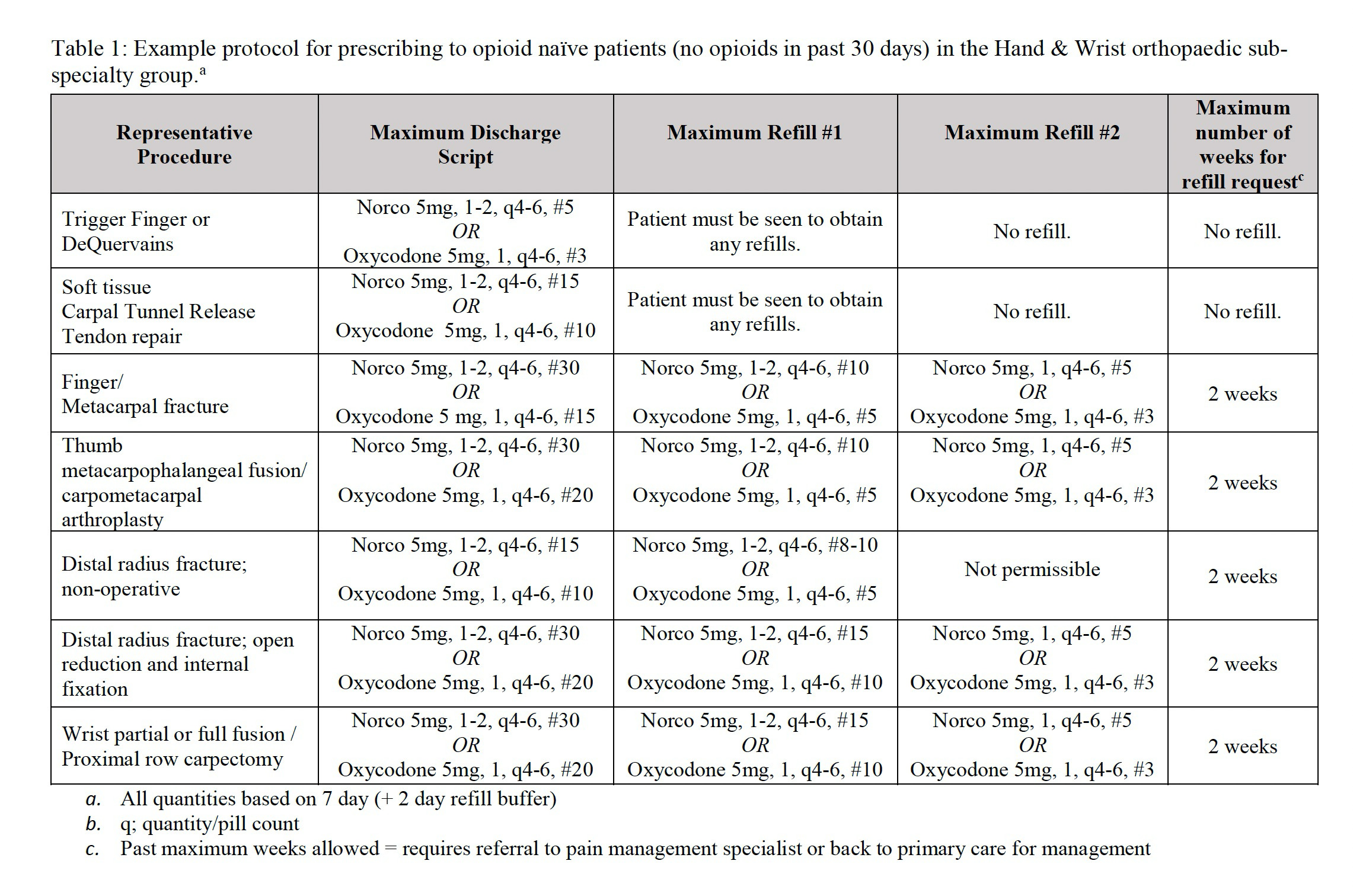
Protocol Development. Three baseline expectations were established for sub-specialty breakout groups and protocol development. First, standard prescribing guidelines would be established for opioid naïve patients. Second, no long-acting opiates would be allowed. Third, the orthopedic surgeon would provide only episodic prescriptions for opioids, and refer patients requiring narcotic prescriptions longer than the post-operative period back to primary care. Each sub-specialty group was tasked with identifying their most common surgical procedures and injury types. For each category, the maximum MEQ for the first post-surgical script was defined for each type of opioid (e.g., oxycodone, hydrocodone, dilaudid), which could not exceed 90 MEQ per day. Sub-specialists then defined the maximum MEQ for the first and second refills, which were required to taper from the discharge, and first refill MEQ, respectively. Last, sub-specialty groups defined the number of weeks post-operatively in which opioid refills would be considered before triggering a referral back to primary care or pain management. The resultant protocol for Hand and Wrist procedures is described in Table 1.
_in_t.png)
Quality Assessment. To assess the impact and durability of the intervention, we calculated total MEQ prescribed to patients who had at least one procedure in any location of service (in-office, ambulatory surgery center, or hospital) for 10 months prior (December 1, 2017-September 30, 2018) through one-year following the intervention (October 1, 2018 - September 30, 2019). MEQ were calculated based on opioid type and quantity. Only prescriptions written 30 days prior to the procedure through 90 days post-operative were included. As a balance measure, the number of refills was summed by patient.
Data Sources. De-identified administrative billing data from the practice management system was combined with prescription data from the electronic health record to identify surgical patients and capture opioid prescriptions initiated after a procedure. A unique patient identifier allowed for data from each source to be combined into a single dataset.
Statistical Analyses. To observe changes in total MEQ prescribed to surgical patients, prescription dates were dichotomized into “pre” and “post” intervention. A t-test was used to compare mean MEQ prescribed per patient, and separately, mean prescriptions per patient, before and after the intervention at the group practice level. We included all clinicians with a DEA license.
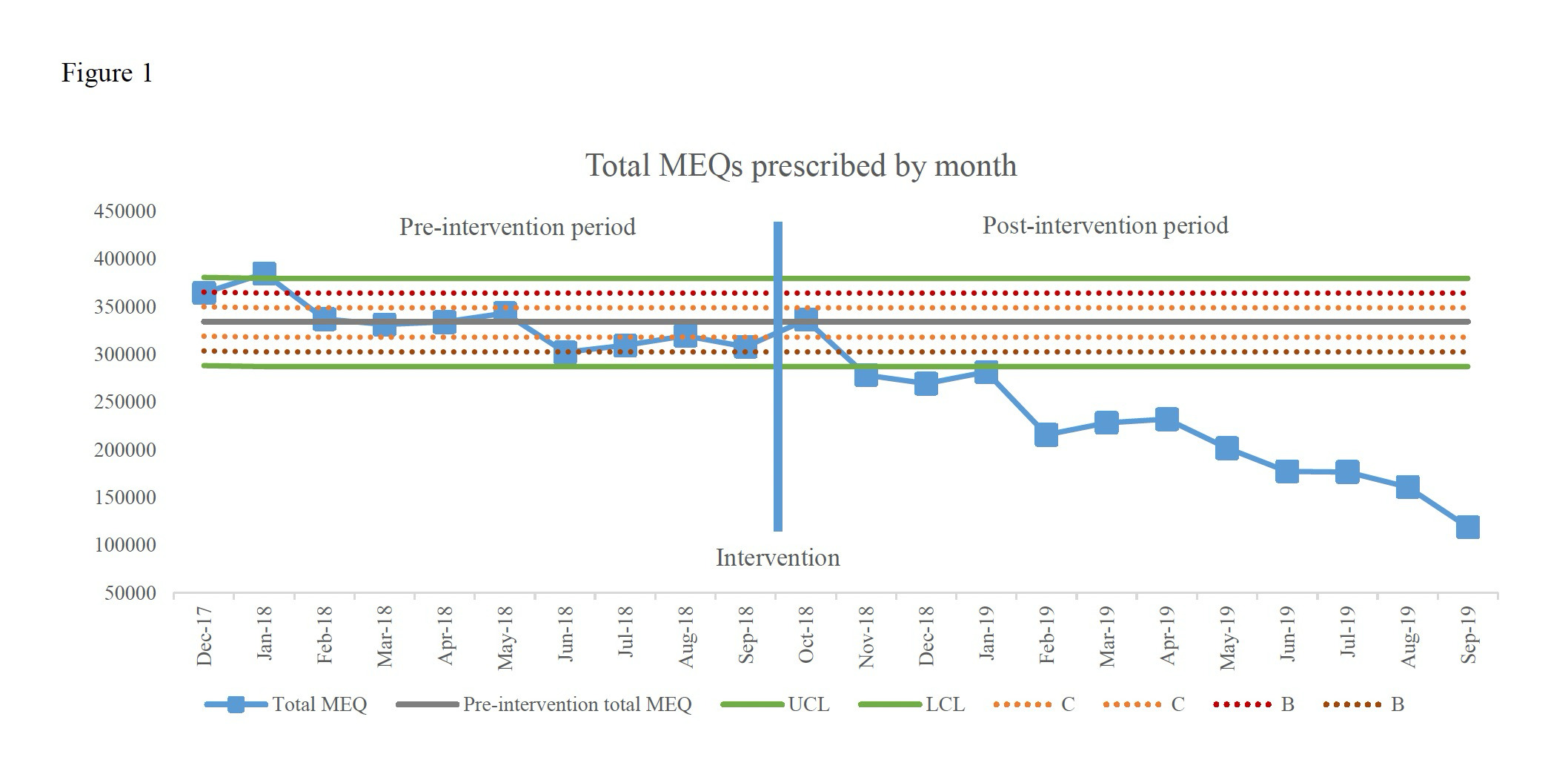
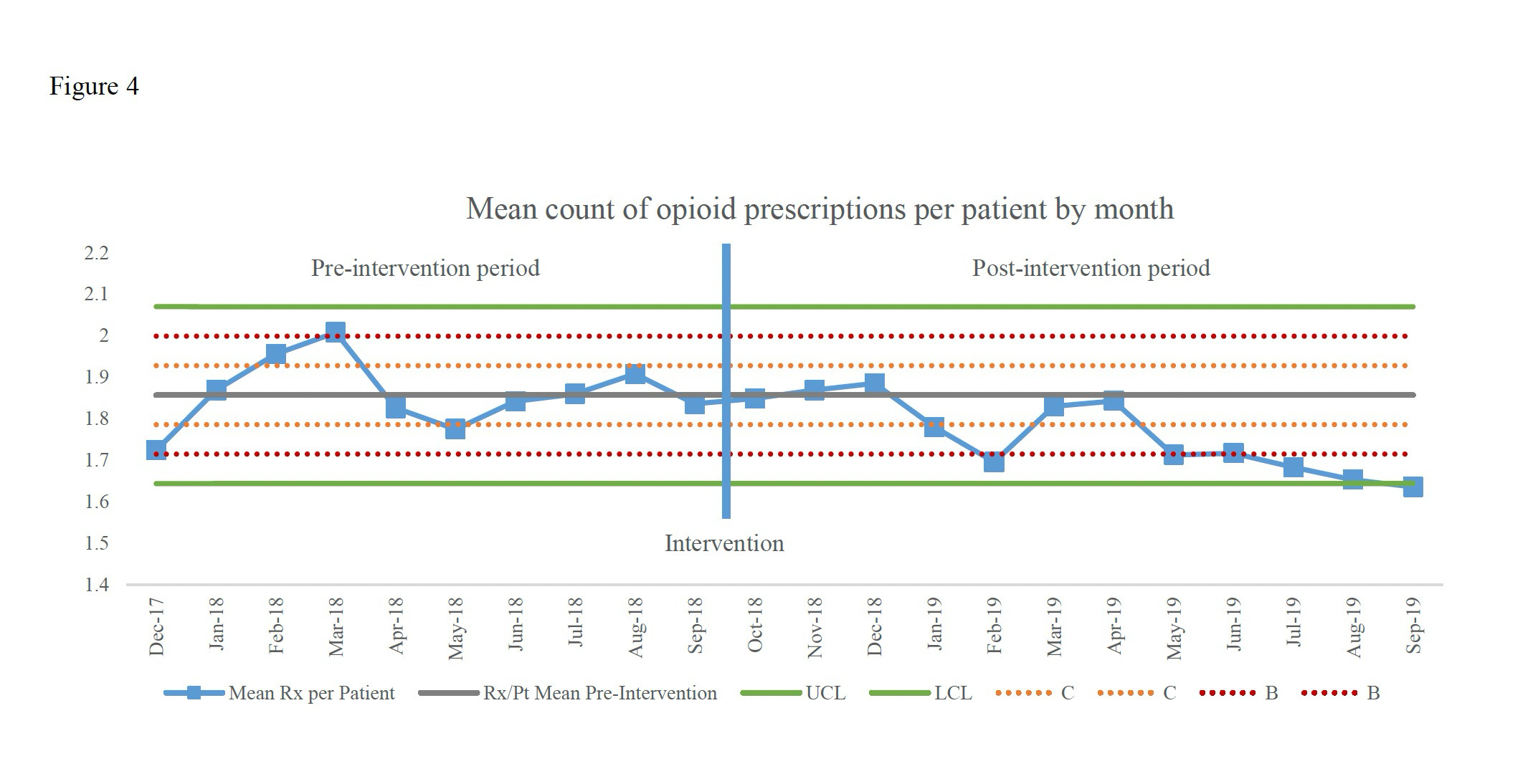
Total calculated MEQ dispensed per month were plotted on a statistical quality control chart (QCC, or XmR chart), as well as per patient MEQ, and mean prescription count per patient.
The statistical QCC allows assessment of trends over time by identifying special cause variability – signaling changes in MEQ over time can be attributed to a change in process, not normal and expected random variability in MEQ prescribing (Lloyd 2001)
Upper control limits (UCL) and lower control limits (LCL) are set at ± 3 sigmas from the mean (QCC centerline, December 2017 – September 2018), respectively. Zones C (±1 sigma) and Zone B (±2 sigmas) correlate to a 4.5% and 31.7% probability of having a data point fall within these regions. When data points fall outside UCL or LCL, something has happened that cannot be attributed to normal variability. Six consecutive data points above or below baseline signify a shift. Data were organized and analyzed in Stata version 16.0 (Stata Corp, College Station, TX). QCCs were constructed in Excel 2013 (Microsoft Corporation, Redmond, WA).
Source of Funding
There is no source of funding for this quality improvement evaluation.
Results
Thirty-three providers with a DEA license participated in the Opioid Prescribers Journal Club in October of 2018; which represents 88% attendance. Each subspecialty group identified a “not to exceed” MEQ by type of orthopedic procedure, quantity, and duration of refills (Example provided in Table).
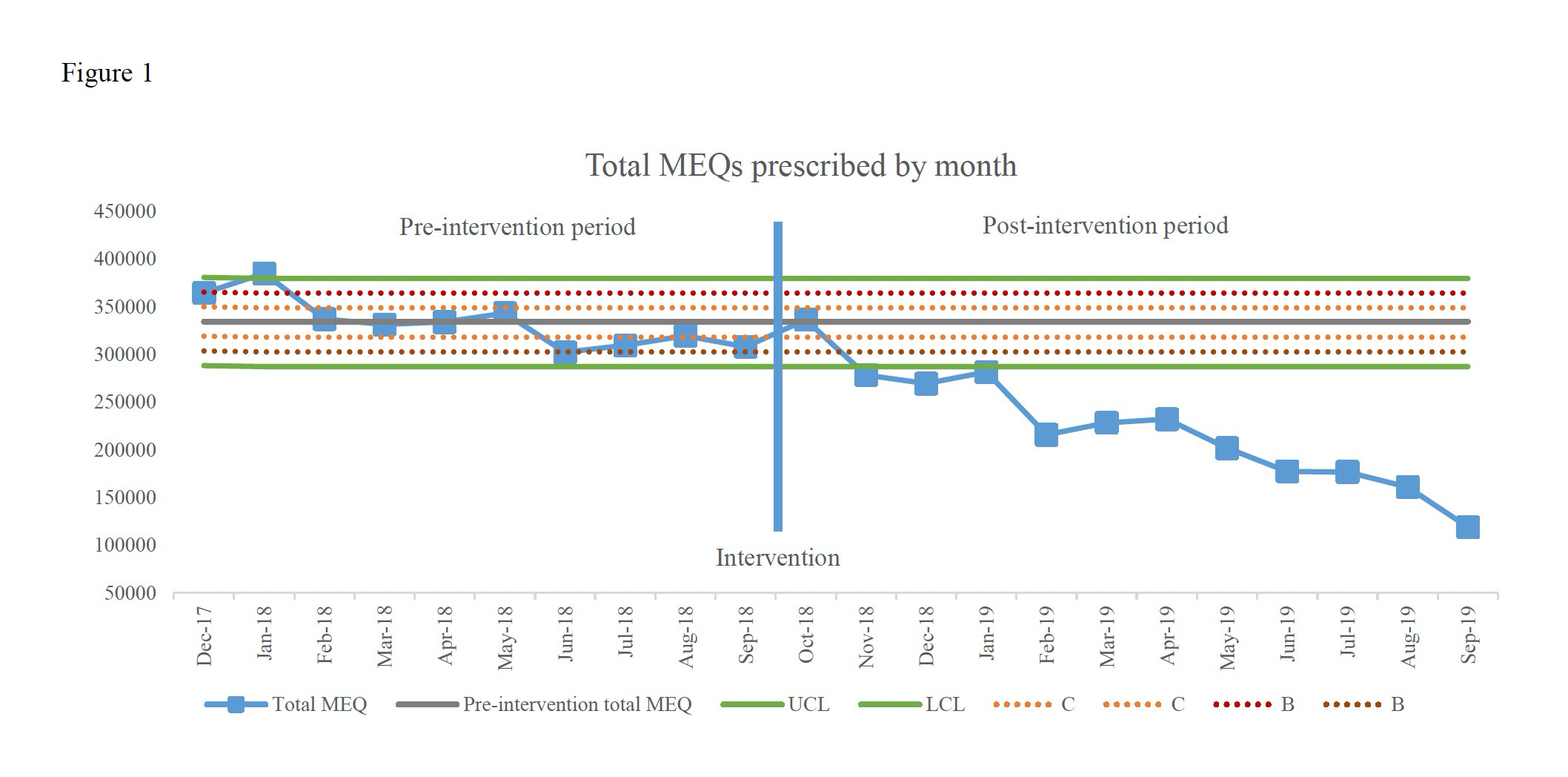
Among orthopedic surgical patients, there were 7,392 prescriptions for an opioid written in the pre-intervention period and 7,650 prescriptions for an opioid written in the post-intervention period (N=15,042). By month, the total amount of MEQs prescribed by the providers to all surgical patients decreased from a high of 385,118 in January 2018 to low of 119,113 in September 2019, a 69% decrease over the entire study period. On the QCC, a significant shift was demonstrated from the baseline mean monthly MEQ of 334,637 (sigma=15,423), with six points sustained bellow the mean following intervention (Figure 1). The pre-intervention mean MEQ of 334,637 (sd=25,517) was significantly higher than the post intervention mean MEQ of 233,913 (sd = 58,024) per month (p<0.001), a 33% decline.
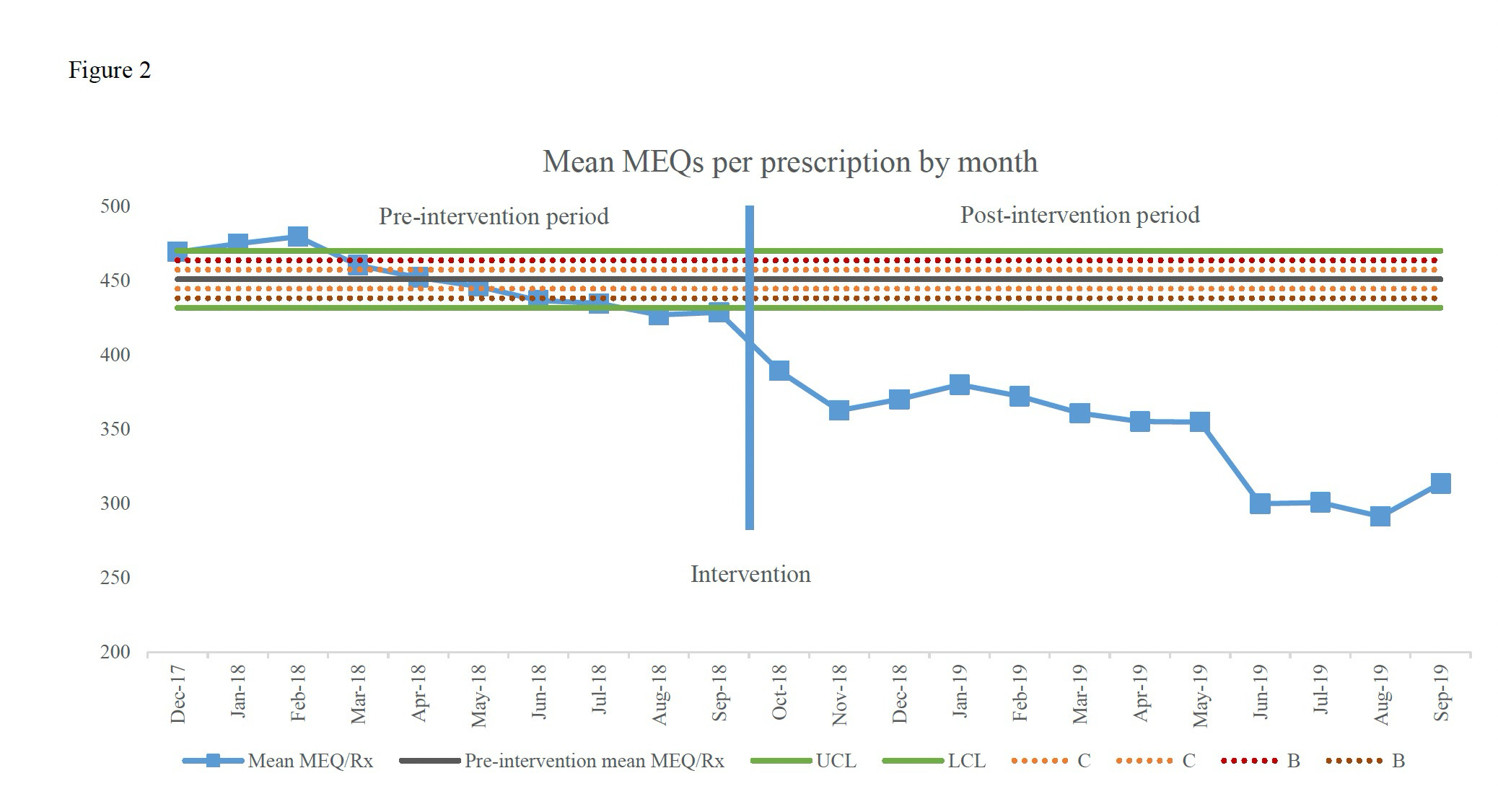
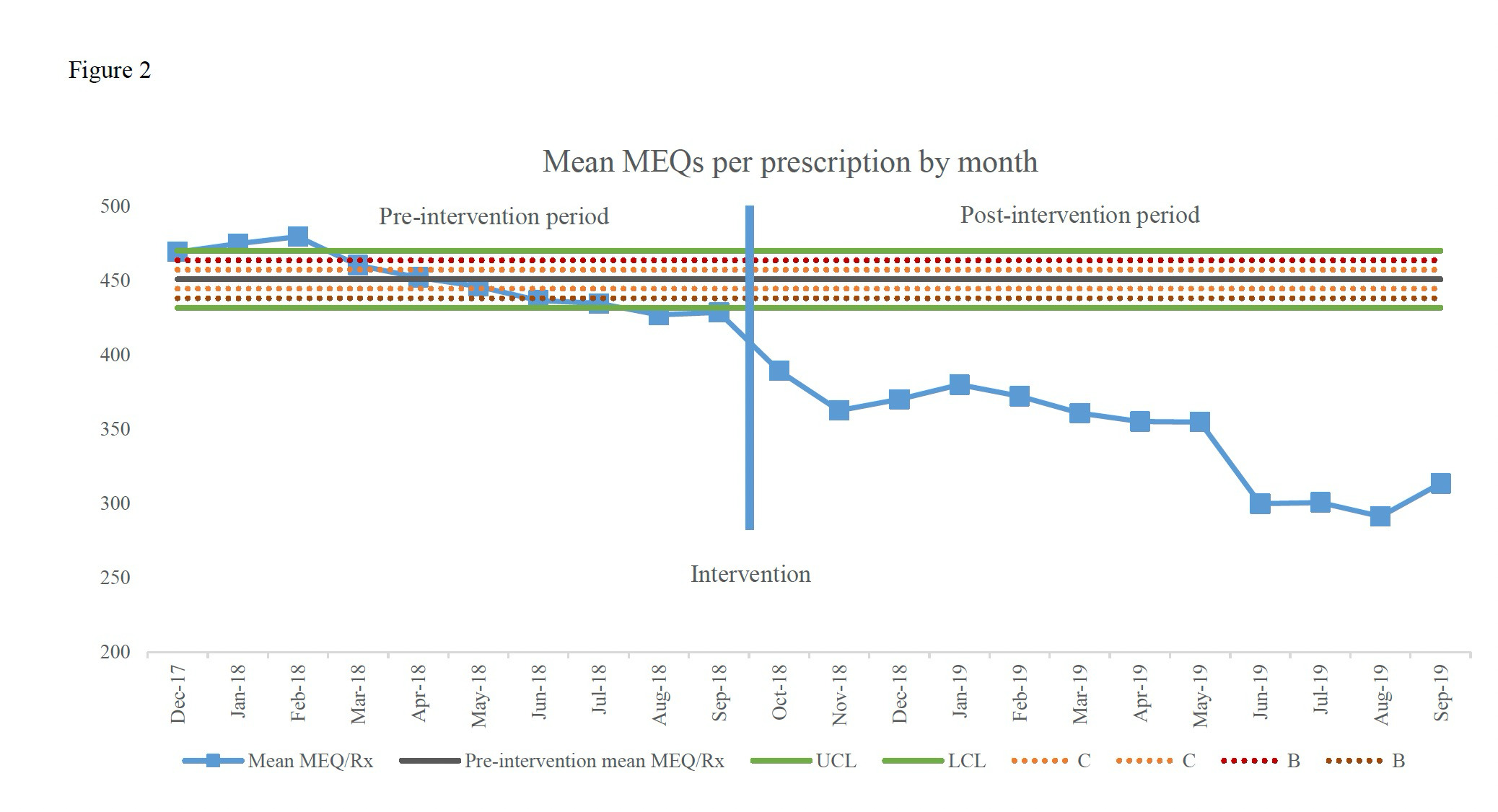
The mean MEQs per prescription also demonstrated a significant shift from the baseline of 451 MEQs (sd =373, sigma=6.38), with a significantly lower post intervention mean MEQ of 350 (sd = 301) (Figure 2, p<0.001). This change represents an 18% decline in mean MEQ per prescription between the pre- and post-intervention period.
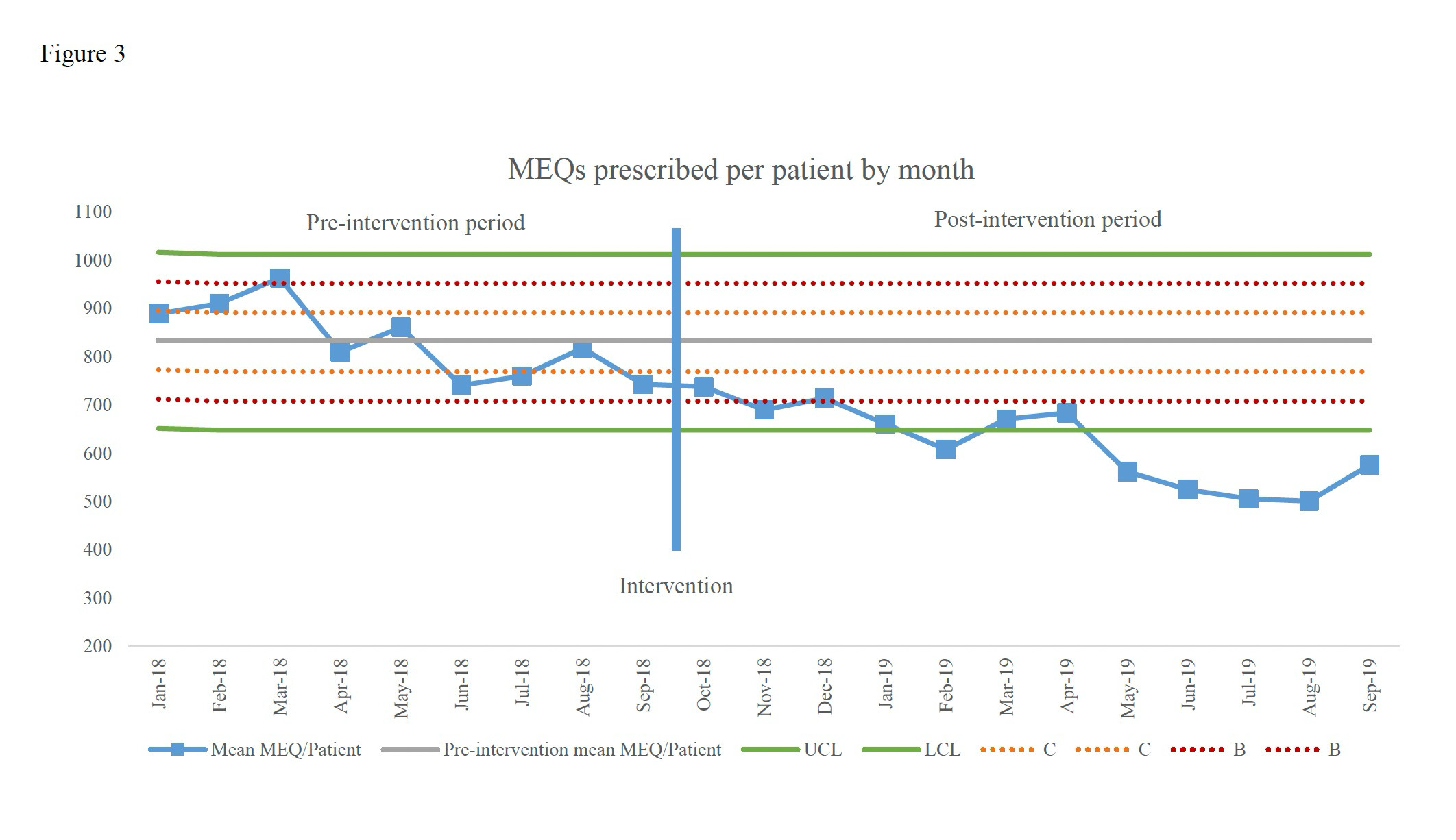
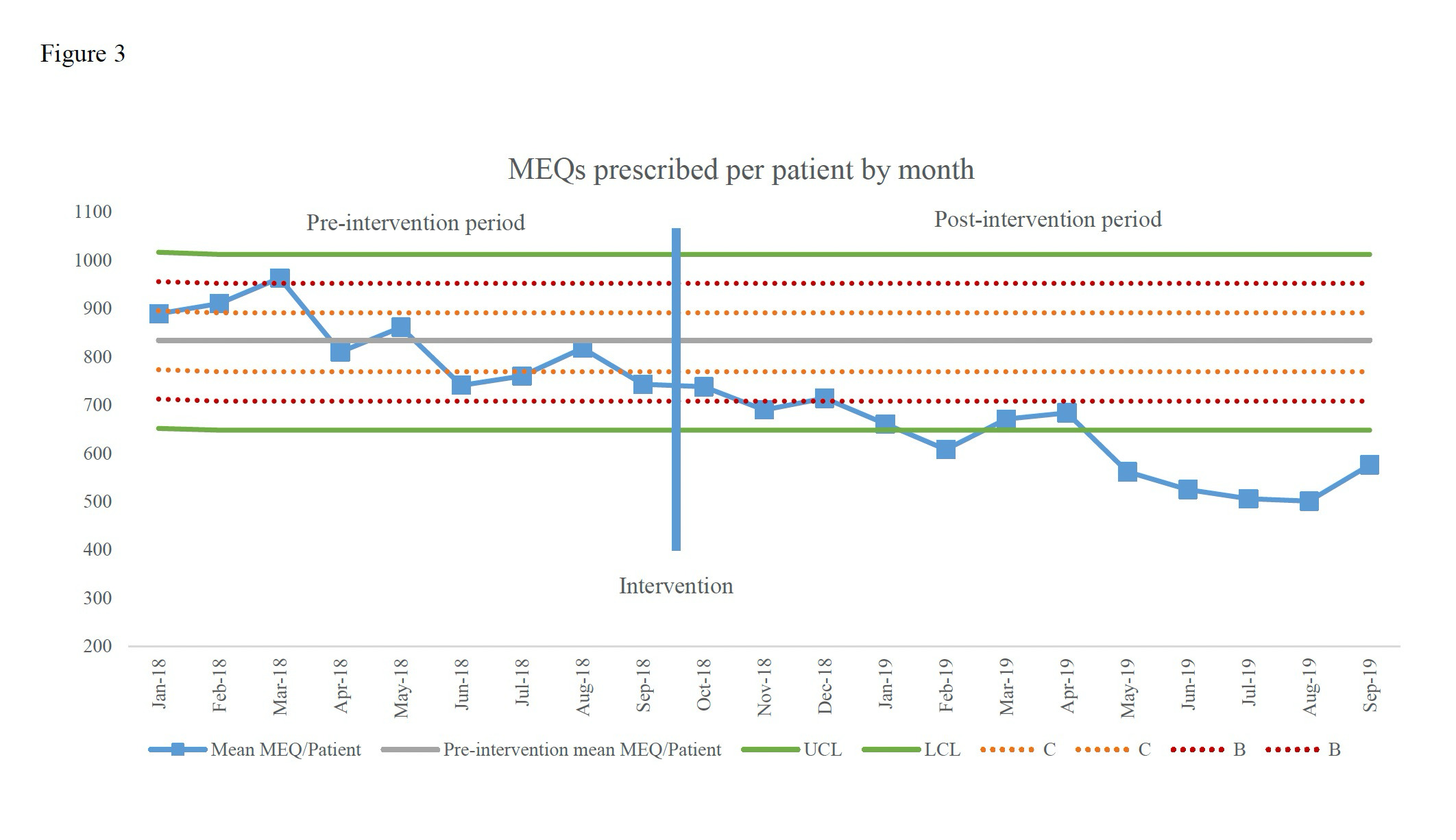
There were 3,962 (48%) orthopedic surgical patients who received at least one post-operative narcotic prescription in the pre-intervention period and 4,330 (52%) in the post-intervention period (N=8,292). Mean MEQ prescribed per patient during the study period declined from 834 (sd =1,443) in the baseline period compared to 626 (sd = 1,158) in the post-intervention period (p<0.001). The post-intervention mean MEQ per patient was 27% lower, with a significant trend downward, below the baseline lower control limit (Figure 3).
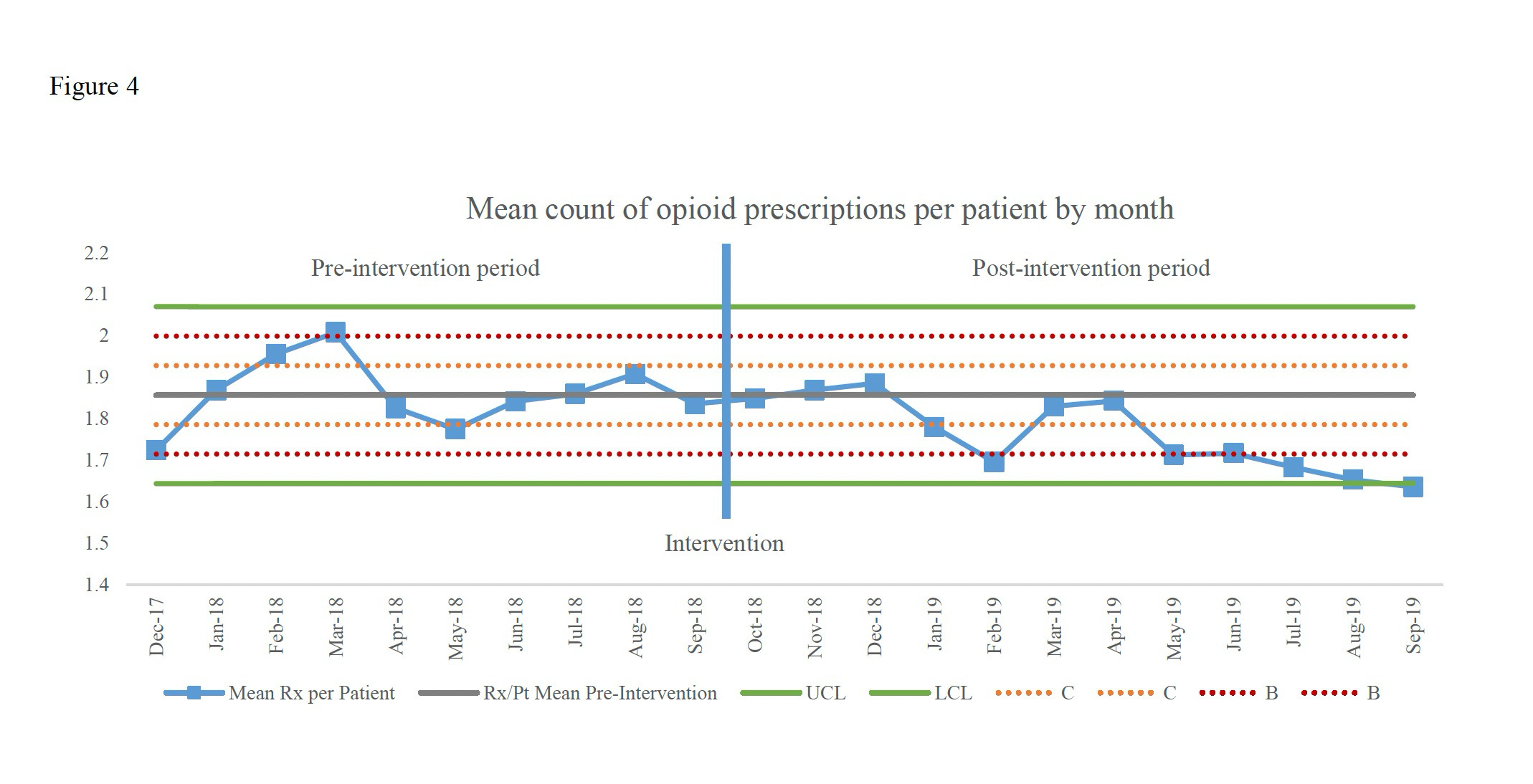
Not only did patients not request more refills from the baseline mean of count of 1.86 (sd = 1.75) prescriptions per patient in the 90 days following surgery (Figure 4), there was also a significant trend towards a decrease in total number of prescriptions per patient, with a post-intervention mean of 1.77 (sd = 1.66, p=0.0108).
Discussion
A one time, physician directed opioid educational event, combined with consensus building and protocol development, at a multi-specialty orthopedic clinic resulted in an overall 33% reduction in mean MEQ prescribed between the pre-, and post-intervention period, with a 69% reduction between the highest prescribing month and the last month (September 2019) evaluated. The trend in declining opioid prescriptions was maintained one year post-intervention and not accompanied by increased patient refill demand. In other words, our practice effectively prescribed the equivalent of nearly 15,000 thousand fewer 5 mg oxycodone pills over the year following intervention.
The era of treating the “fifth vital sign” (Lanser and Gesell 2001) with “non-addictive” narcotic prescriptions has resulted in prescription narcotic substance abuse of epic proportions. Physicians across specialties are now facing a re-evaluation of what it means to treat pain and how to effectively, efficiently, and safely manage post-operative pain. Expediency and well-meaning intentions for post-operative pain management results, most commonly, in an over prescription of post-operative narcotics. Over 60% of patients treated for the five most common orthopedic procedures (total hip arthroplasty, total knee arthroplasty, endoscopic carpal tunnel release, rotator cuff repair and lumber decompression) had left over pills (Sabatino et al. 2018). This resulted in over 43,000 unused pills, with only 41% of patients contacted reporting appropriate disposal of the remaining medications (Sabatino et al. 2018). In a retrospective review of patients undergoing a carpal tunnel release, 40 tablets were prescribed post-operatively, but follow up demonstrated only 10 pills were consumed on average, over a two-day course, resulting in 1,531 unused tablets (Peters et al. 2018).
In some instances, narcotic pain medications show no added benefit for post-operative pain management when compared to other non-narcotic modailities (Weinheimer et al. 2019). In a double-blinded randomized trial, patients undergoing one of four soft tissue hand procedures (trigger finger release, carpal tunnel release, first dorsal compartment release and ganglion excision) were prescribed either acetaminophen with hydrocodone or acetaminophen with ibuprofen for post-operative pain management. There was no difference in average VAS pain, a trend towards better pain management with acetaminophen with ibuprofen, and no difference in the number of days until patient were pain free (Weinheimer et al. 2019). A randomized control trial comparing ibuprofen, Tylenol and oxycodone following carpal tunnel surgery demonstrated no significant difference in the number of pills consumed and significantly higher post-operative pain score in those on oxycodone, strongly suggesting non-inferior, if not better, post-operative pain control with non-narcotic medication (Ilyas et al. 2018). These findings suggest that following select small, soft tissue only procedures in narcotic naïve patients, non-narcotic pain management protocols would not only be safer, but more effective (Weinheimer et al. 2019).
In total joint arthroplasty, multimodal pain control is gaining traction as a superior approach to managing post-operative pain (Sah et al. 2018). Multimodal protocols include peri-operative pain management with immediate pre-operative intravenous pain medication administration, peripheral nerve blocks, peri-articular injections, intravenous non-narcotic pain medication, combination oral medication regimens and early physical therapy (Sah et al. 2018). This approach has demonstrated decreased opioid consumption while maintaining pain control, satisfaction and mobility.
In upper extremity surgery, implementing guidelines based on anatomical and procedure-specific criteria resulted in curtailed narcotic prescribing, low (13%) refill rate, and greater than 90% patient satisfaction with their narcotic management efficacy (Adalbert and Ilyas 2019). The authors created guidelines based on anatomic location, hand/wrist, forearm, elbow and shoulder, and bone versus soft tissue only procedure. Following implementation of the guidelines, the average number of pills consumed during the study was 5.5. The authors concluded that creating guidelines for post-operative narcotic prescriptions based on anatomic and procedure related criteria results in equitable pain control without leading to an increased need for refills or poorer patient satisfaction with their pain management (Adalbert and Ilyas 2019).
Perceived post-operative pain and resultant narcotic pain utilization may be something we can predict, and is likely tied to both the patient and the procedure. Patients undergoing ambulatory hand surgery with a high pain catastrophizing score used significantly more narcotic medication post-operatively than those with a lower score (Sacks et al. 2019). As defined by the authors, those who pain catastrophize demonstrate attributes such as rumination, magnification and helplessness, and literature around this topic has found those with a higher pain catastrophizing score may be more likely to become narcotic reliant than those with a normal baseline score (Sacks et al. 2019). In an attempt to identify patients with higher post-operative pain requirements, Jamieson et al. created a pain calculator by aggregating and analyzing patient demographics, procedure type, and post-operative narcotic consumption. The results demonstrated that certainly bone and tendon/ligament related procedures, and longer procedures tended to have higher narcotic consumption. Also patients who were unemployed, had chronic opioid use, and were younger patients utilized narcotics more (Jamieson et al. 2019). Post-operative pain control therefore is not a one size fits all game, but practitioners may be able to identify patients who may need more pre-operative counseling around safe narcotic use post-operatively.
A major weakness of this study is that we did not directly evaluate patient’s pain control satisfaction pre- and post- intervention. Instead, we evaluated a single balance measure as a surrogate for sufficient pain control – count of patient narcotic prescription refills. We found mean count of narcotic prescription refills per patient declined significantly in the post-intervention period, even though overall MEQs, MEQs per prescription, and MEQs per patient also declined. Collectively, these data give us confidence the new protocols did not negatively affect the post-operative pain experience. We did not review each patient individually through the state supported narcotic tracking system and, therefore, we may have missed patient who sought additional pain medications from an outside facility.
Our practice demonstrated that participating in a consensus building exercise, following a literature review journal club, resulted in significantly changed the management of post-operative pain and a 33% reduction in prescribed narcotics each month. This change was sustained over one year. This study is consistent with prior reports indicating that simple interventions (C. L. Dwyer et al. 2018), can result in substantial and sustainable change. Utilizing pre-operative pain predicting measures, such as the pain catastrophizing score used by Sacks et al (Sacks et al. 2019), or the development of a pain predictive calculator as done by Jamieson et al (Jamieson et al. 2019) presents an opportunity to even further streamline pain management to a patient specific levels. Our quality improvement metrics demonstrates a brief, one-time intervention can effectively change orthopedic surgeon behavior and reduce narcotic prescribing. We can continue to provide high quality care, with effective post-operative pain control, while limiting the amount of excess opioids in our surrounding communities by establishing procedure-specific prescribing guidelines.