Loading [Contrib]/a11y/accessibility-menu.js

This website uses cookies

We use cookies to enhance your experience and support COUNTER Metrics for transparent reporting of readership statistics. Cookie data is not sold to third parties or used for marketing purposes.

Skip to main content
null
J Orthopaedic Experience & Innovation
  • Menu
  • Articles
    • Brief Report
    • Case Report
    • Case Series
    • Conference Proceedings
    • Data Paper
    • Editorial
    • Meeting Reports/Abstracts
    • Methods Article
    • Product Review
    • Research Article
    • Review Article
    • Review Articles
    • Systematic Review
    • All
  • For Authors
  • Editorial Board
  • About
  • Issues
  • Blog
  • "Open Mic" Topic Sessions
  • Advertisers
  • Recorded Content
  • CME
  • JOEI KOL Connect
  • Resident Research League
  • search
  • RSS feed (opens a modal with a link to feed)

RSS Feed

Enter the URL below into your favorite RSS reader.

https://journaloei.scholasticahq.com/feed
ISSN 2691-6541
Research Article
Vol. 6, Issue 2, 2025December 22, 2025 EDT

Patient-reported Outcomes Following Total Knee Arthroplasty in Patients Treated with Intraosseous Vancomycin Versus Intravenous Antibiotics: A Retrospective Matched Cohort Study

Robert Branstetter, BS, Tara Korbal, BA, Michelle Veillon-Bradshaw, BS, Matan Ozery, MD, Claudia Leonardi, PhD, Amy Bronstone, PhD, Vinod Dasa, MD,
IntraosseousVancomycinPeriprosthetic joint infectionTotal Knee ArthroplastyHigh riskDiabetesObesityTobacco usePatient reported outcomesKOOS
Copyright Logoccby-nc-nd-4.0 • https://doi.org/10.60118/001c.143681

Articles in Vol. 6, Issue 2, 2025

Vol. 6, Issue 2, 2025
  • Management of infected nonunion neck of femur fracture on an ipsilateral above knee amputation limb planned for total hip arthroplasty
    Sarbhjit Singh Lakha SinghPrabu SupramaniamMuhammad Fadhil B. Mat SallehMuhammad Azhar AbdullahAhmad Fauzey Kassim
  • Safety of Bovine and Porcine Derived Orthopaedic Implants: Growing Concern for Alpha-gal Syndrome
    Dillon ClancySteven FreyDylan Chayes
  • The Use of Curved Implants in Pelvic Ring Surgery – Early Positive Outcomes of a Multi-center Experience
    Dainn WooBijan DehghaniRown ParolaJames StannardCaleb BischoffBrett CristMatthew GardnerDerek DoneganSamir Mehta
  • Factors That Influence the Quality of Letters of Recommendations for Orthopaedic Trauma Fellowship Applicants: A Survey of Fellowship Directors
    Ashwin GarlapatyNathan CherianBrett D. Crist
  • Deep Vein Thrombosis Rates in Total Hip Arthroplasty and Total Knee Arthroplasty on an Extended Course of Tranexamic Acid: A Retrospective Study
    Andrew WicklineShivam BhattJeremy Berger
  • What A Change A Year Makes: Orthopedic Case Volume After ACS-Level II Trauma Status
    Rachel SafoEduardo Santana-BuenoLisa K. Cannada
  • ACL Reconstruction Augmented with a Novel Reinforced Bioinductive Implant: A Case Report With 18-Month Follow-Up
    Alexander OzonoffGowri ViswanathanMichael R. Redler
  • Assessing ChatGPT Ability to Answer Common Patient Questions on Distal Biceps Ruptures
    Jared N. KushnerChance ParkerAnton PeltoKatelyn KaneWilliam PallisarySamantha ReissPayton Yerke Hansen
  • Partial Wrist Denervation with Wide-Awake Local Anesthesia No Tourniquet Technique
    Bernard F. HearonWyatt S. BellVafa Behzadpour
  • Minimally Invasive Intraoperative Strategies May Influence Success Rate and Return to Sport in Arthroscopic Treatment of Patellar Tendinopathy: A Systematic Review of Prospective Studies
    Cole VelikyJames OostenGalo BustamanteYamenah AmbreenEric MillironParker CavendishRobert DuerrRobert MagnussenChristopher KaedingDavid Flanigan
  • Comparison of Audioarthrography and Magnetic Resonance Imaging for Diagnosis of Patellofemoral Cartilage Damage
    Carlos LealOmar RahmanRobert HunterJack BertJoao Espregueira-MendesRamón CugatEsteban SantosFernando RadiceCarlos Leal-Bernal
  • Equivalent Early Outcomes After Rotator Cuff Repair Can Be Achieved in Patients with Lower Shoulder-Specific Health Literacy
    David BernholtTanner PoppeCarlos Rivera-PerazaEric WestAndrew NahrTyler BrolinThomas ThrockmortonFrederick Azar
  • Characterization of Orthopaedic Surgery Research Fellowships: Public Availability, Compensation, and Association with Doximity Residency Rankings
    Bryce W. RigdenAshwin R. GarlapatyLasun O. OladejiJames L. CookBrett D. CristKylee Rucinski
  • Industry Payments to Teaching Hospitals for Orthopaedic Medical Devices: An Analysis from 2016 to 2021
    Shebin TharakanKieran MullinsBrandon KleinLucas BartlettRandy M. CohnAdam D. Bitterman
  • "In My Experience...Surgeon Control and the Evolution of Outpatient Joint Replacement: A Decade of Progress and the Road Ahead
    Michael Ast, MD
  • Hip Capsule Closure Using Absorbable Sutures Demonstrates Similar Patient-Reported Outcomes and Rates of Revision with Potentially Lower Complication Rates Compared to Nonabsorbable Suture Following Hip Arthroscopy: A Systematic Review
    Justin T. ChildersColton C. MowersBenjamin T. LackMatthew T. McKinleyChris W. HaffGarrett R. JacksonSteven F. DeFroda
  • "In My Experience...Delivering More Than Surgery: Building a Patient Experience That Matters"
    Ryan G. Molli, MD
  • Befit Patelloplasty in TKA: A Targeted Approach to Improve Pain and Function
    Mohamed ElfekkyMohamed S. Ben’MusbahSaid AbuhalgumaHiba M. ZaidanMohadese RajaeiradMoataza M. Abdel WahabMansour M. ElgassiSamih Tarabichi
  • Spine Surgeons At Risk? Examining Interventional Procedures Through the Lens of Disruptive Innovation
    Ahilan SivaganesanAdvith SarikondaAdam LeiboldSheeraz Qureshi
  • Transosseous Sutures Repair of Patellar Sleeve Fractures in Pediatric Patient: a report of two cases
    Sherif LotfyMahmoud AlmekoudAhmad Al ShamyAnas ElgaryaHosam Ghaly
  • Stability of Osteoremedies Remedy Hip Spacer for Two-Stage Revisions of Prosthetic Joint Infections: Single Center Analysis
    Carsyn DykesTimothy A Damron
  • Cementless Femoral Stems in Primary Total Hip Arthroplasty
    Ahmed SiddiqiSteven DaytonKhalid M. YousufAntonia F. Chen
  • Casting a New Light: A Systematic Review of 3D-Printed Casting for Non-Surgical Management of Orthopedic Injuries
    Emily T YanDuc Chung
  • Publication Rates of Posters from the Orthopaedic Trauma Association Annual Meeting 2017-2023: Do Posters Represent the Framework of Upcoming Orthopaedic Research and the Growing Number of Female Orthopaedic Surgeons
    Cameron GerholdJoshua BassinPavlo KravchukLisa Cannada
  • "In My Experience™...Preserving the Doctor-Patient Relationship in Practice"
    Michael Meneghini, MD
  • From My Perspective: Stacking Mechanisms to Control Pain Following Shoulder Surgery – A Consideration of Central Effects in the Pain Pathway
    Neil Bodick, MD, PhD, MBA
  • “From my Perspective™….The World of Solo Hospital Practice”
    James Womack, MD
  • "From My Perspective...The Anatomy of a Recall: A Retrospective Review of the Sulzer Recall 25 Years Later"
    Brandon OgilvieChelsea S. SicatSamuel ZverevThomas CatanzaroCharles CatanzaroPhillip SpadaforaJan A. Koenig
  • Clinical Outcomes and Cost Savings of a Novel Virtual Integrated Practice Unit (IPU) for Musculoskeletal (MSK) Conditions: A Pilot Study
    Austin CrossEmily SchnettlerAnu NairDavid WillensEric Makhni
  • Patient-reported Outcomes Following Total Knee Arthroplasty in Patients Treated with Intraosseous Vancomycin Versus Intravenous Antibiotics: A Retrospective Matched Cohort Study
    Robert BranstetterTara KorbalMichelle Veillon-BradshawMatan OzeryClaudia LeonardiAmy BronstoneVinod Dasa
  • Hospital / Ambulatory Surgical Center Cost Savings: Total Knee Arthroplasty Instrument Tray Reduction Strategy
    Chad M. HansonGregory DaubsRobert W. Eberle
  • From Around The World™...Over 55 Years of Treatment of Periprosthetic Joint Infections"
    Thorsten Gehrke, MD
J Orthopaedic Experience & Innovation
Branstetter, Robert, Tara Korbal, Michelle Veillon-Bradshaw, Matan Ozery, Claudia Leonardi, Amy Bronstone, and Vinod Dasa. 2025. “Patient-Reported Outcomes Following Total Knee Arthroplasty in Patients Treated with Intraosseous Vancomycin Versus Intravenous Antibiotics: A Retrospective Matched Cohort Study.” Journal of Orthopaedic Experience & Innovation 6 (2). https://doi.org/10.60118/001c.143681.
Save article as...▾
Download all (2)
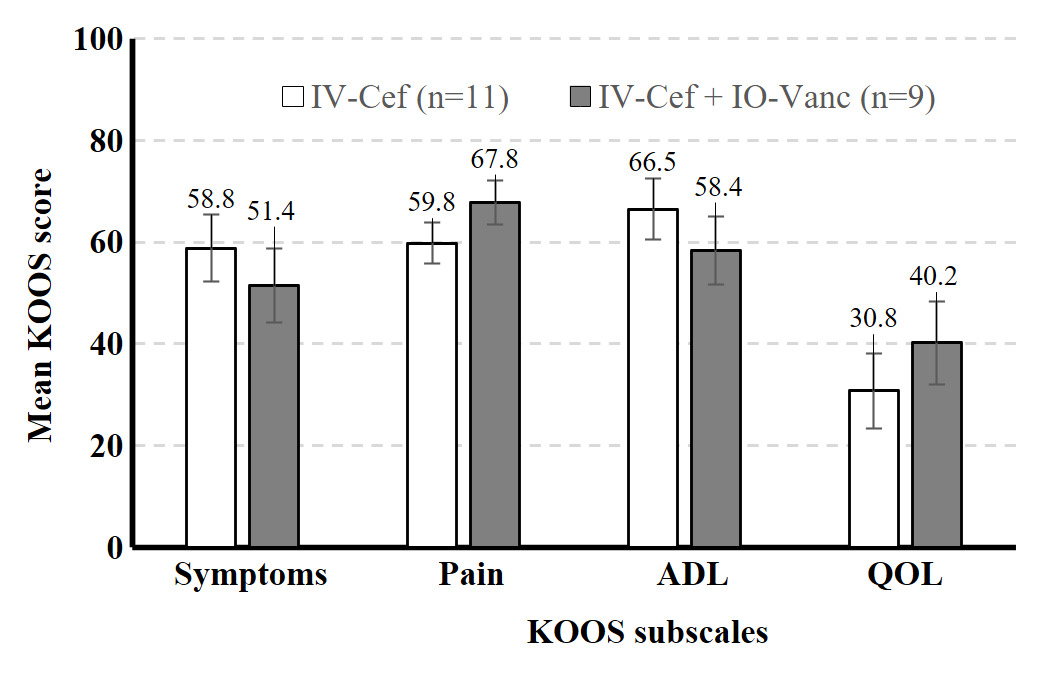
  • Figure 1. KOOS scores two weeks after TKA by group. All values are least square means and bars represent standard error of the mean.
    Download
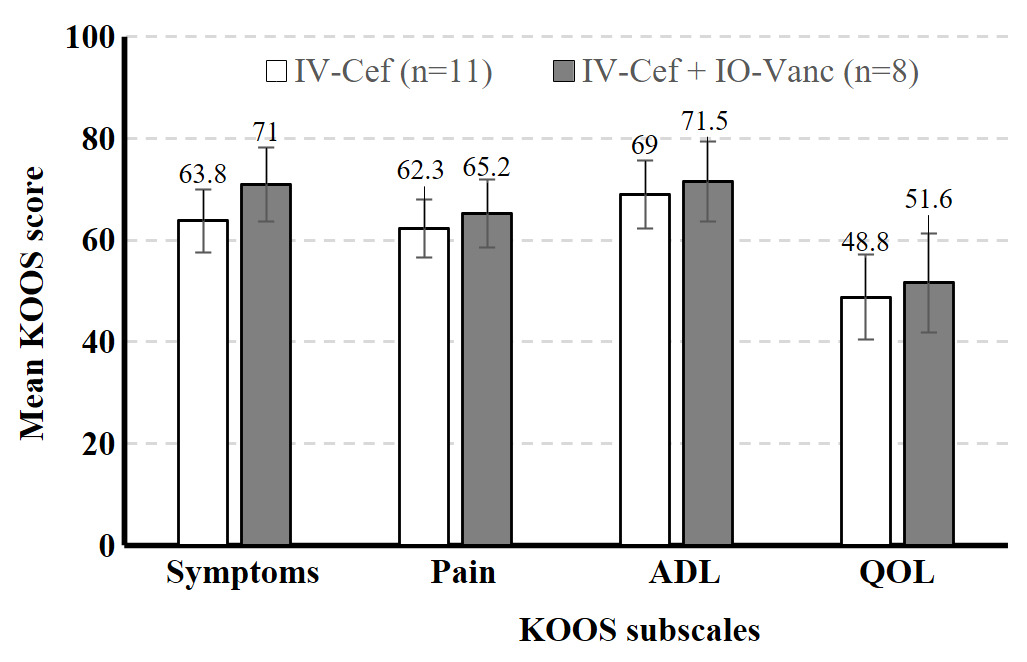
  • Figure 2. KOOS scores 3 months after TKA by group. All values are least square means and bars represent standard error of the mean.
    Download

Error

Sorry, something went wrong. Please try again.

If this problem reoccurs, please contact Scholastica Support

Error message:

undefined

View more stats

Abstract

This retrospective matched cohort study compared patient-reported outcomes (PROs) in 32 high-risk total knee arthroplasty patients who received intravenous (IV) cefazolin or intraosseous vancomycin plus IV cefazolin. The groups had similar least squares mean PROs at 2-week and 3-month follow-up; a larger study is needed to confirm these findings.

INTRODUCTION

Total knee arthroplasty (TKA) is an effective surgical treatment for advanced knee osteoarthritis, but carries the risk of several significant complications, including prosthetic joint infection (PJI), which is more commonly seen in high-risk patients, such as those with diabetes, malnutrition, obesity, and current or former tobacco users (Varacallo, Luo, and Johanson 2023; Bozic et al. 2012; Batty and Lanting 2020; Bedard et al. 2019). Although intravenous (IV) vancomycin and other antibiotics are commonly used for PJI prophylaxis in TKA, including in patients deemed at high risk, IV antibiotic administration can cause subtherapeutic concentrations, hypersensitivity reactions, systemic side effects such as nephrotoxicity and ototoxicity, and a prolonged administration time (Bedard et al. 2019; Davis, Smith, and Koup 1986; Yamada et al. 2011).

Intraosseous (IO) vancomycin has been introduced as an alternative to IV antibiotics to reduce the risk of complications, particularly PJI, following TKA. A recent systematic literature review reported that IO vancomycin was associated with a significantly higher tissue concentration of vancomycin and a lower PJI rate than IV vancomycin or other antibiotics (e.g., cefazolin) (Park et al. 2021; Yu, Wei, Yang, et al. 2024; Klasan, Patel, and Young 2021; Miltenberg, Ludwick, Masood, et al. 2023). In addition, IO administration may allow lower vancomycin doses, thereby reducing systemic toxicity and avoiding the difficulties associated with prolonged preoperative infusion times (Young et al. 2014).

Although IO vancomycin has been associated with a lower PJI incidence than IV antibiotics in the overall TKA population (Miltenberg, Ludwick, Masood, et al. 2023), little is known about its relative benefits and risks in high-risk patients. A randomized clinical trial found that IO vancomycin resulted in 5-9 times higher tissue antibiotic concentrations in TKA patients with a high body mass index (BMI) (>35 kg/m2) compared with high-BMI patients who received IV antibiotics (Chin et al. 2018). A retrospective comparative study of 1,909 primary TKA patients found that, although BMI, diabetes, and renal failure were identified as infection risk factors, the use of IO antibiotics in these patients was not associated with a lower PJI risk compared with IV antibiotics (Parkinson, McEwen, Wilkinson, et al. 2021).

Anecdotally, orthopaedic surgeons have expressed concern that transient increases in intraosseous pressure caused by IO antibiotic administration may negatively affect postoperative pain and/or function in TKA patients, although this issue has not been studied (Simkin 2004). This retrospective matched cohort study aimed to assess whether IO vancomycin is associated with worse PROs at 2 weeks and 3 months post-TKA in high-risk patients receiving IV cefazolin with or without IO vancomycin. We hypothesized that PROs would be similar between patients receiving IO vancomycin and IV cefazolin versus those receiving IV cefazolin alone.

METHODS & MATERIALS

This study included high-risk patients who underwent unilateral primary TKA performed by one orthopedic surgeon at a single community hospital between January 2022 and September 2024. High-risk patients were defined as those presenting with one or more of the following risk factors for PJI: current smoker, hemoglobin A1c (HbA1c) ≥ 7%, or BMI ≥ 40 kg/m². Consecutive patients who received IO vancomycin were matched 1:1 with patients who did not receive IO vancomycin using propensity score matching with the following variables: sex, BMI, age, smoking status, and baseline Knee injury and Osteoarthritis Outcome Score (KOOS) pain subscale score. We were unable to include HbA1c as a matching variable due to missing data for two patients in the IV-Cef + IO-Vanc group. This study was approved by the Louisiana State University Health Sciences Center and Ochsner Institutional Review Boards and was conducted in accordance with their guidelines.

All patients with signs and symptoms suggestive of a potential infection were cultured intraoperatively. Similarly, all patients with signs and symptoms suggestive of a potential infection during the 3-month postoperative period were cultured. Patients in both groups received IV cefazolin 2-3 g intraoperatively as standard PJI prophylaxis. Patients received either IV cefazolin alone (IV-Cef) or IV cefazolin with IO vancomycin 1 g (IV-Cef + IO-Vanc). IO vancomycin was administered during surgery immediately before the initial incision using an IO access system (Arrow® EZ-IO® Needle Set; Teleflex, Morrisville, NC) (Philbeck et al. 2024; Waisman et al. 1995). The IO access system was inserted into the medial proximal tibia followed by a saline bolus of 200 mL (Waisman et al. 1995). The KOOS was administered before surgery and at 2 weeks and 3 months after TKA. The KOOS subscales of interest were pain, other symptoms, function in daily living (ADL), and knee-related quality of life (QOL). Raw subscale scores were transformed to a 0-100 scale, with zero representing extreme knee problems and 100 representing no knee problems.25

Study data were collected and managed using REDCap and analyzed using SAS version 9.4 (SAS Institute Inc., Cary, NC, USA). Data analyses were exclusively descriptive due to the small sample size and limited statistical power.

RESULTS

A total of 32 high-risk patients met inclusion criteria. Sixteen high-risk patients who received both IV cefazolin and IO vancomycin (IV-Cef + IO-Vanc) were propensity score matched with 16 patients who received only IV cefazolin (IV-Cef). Baseline characteristics (Table 1) and length of stay (LOS) were similar in both groups. The mean time from TKA to the last documented follow up visit was 13.2 months (range: 0.5–37.5 months). All 32 patients included in the study were classified as Kellgren-Lawrence (KL) grade 4 prior to surgery and both groups had similar average overall deformity angle (Table 1). Most patients in both groups were discharged on the day of surgery (IV-Cef, 56.3%; IO-Vanc, 68.8%); similar percentages were discharged after 1 day (IV-Cef, 35.0%; IO-Vanc, 18.8%) and 2 or more days (IV-Cef, 18.7%; IO-Vanc, 12.5%). The higher percentage of patients with HbA1c >7% in the IO-Vanc group is attributed to the practice of reserving this treatment for high-risk patients. Mean KOOS symptoms, pain, ADL, and QOL subscale scores were numerically similar between the two groups at 2 weeks (Figure 1) and 3 months (Figure 2) after surgery. There were no complications in the IV-Cef group. In the IV-Cef plus IO-Vanc group, there were two complications considered unrelated to the use of IO vancomycin. One patient experienced persistent incisional drainage that resolved within one month and later died from pancreatic cancer. The other patient developed postoperative deep vein thrombosis and pulmonary embolism, which were managed with anticoagulation.
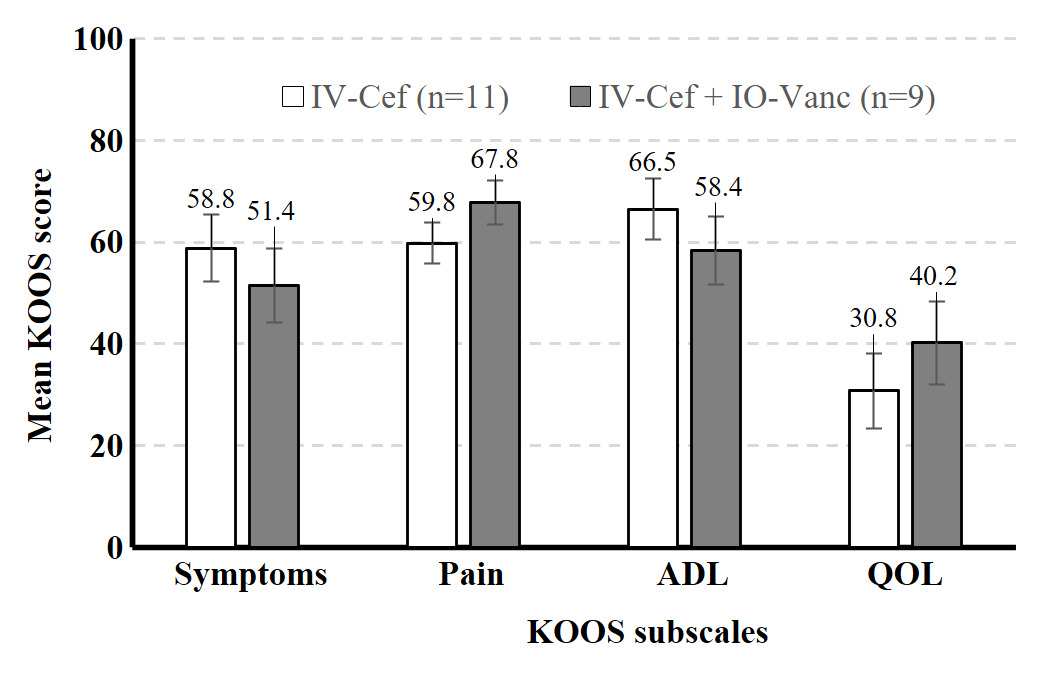
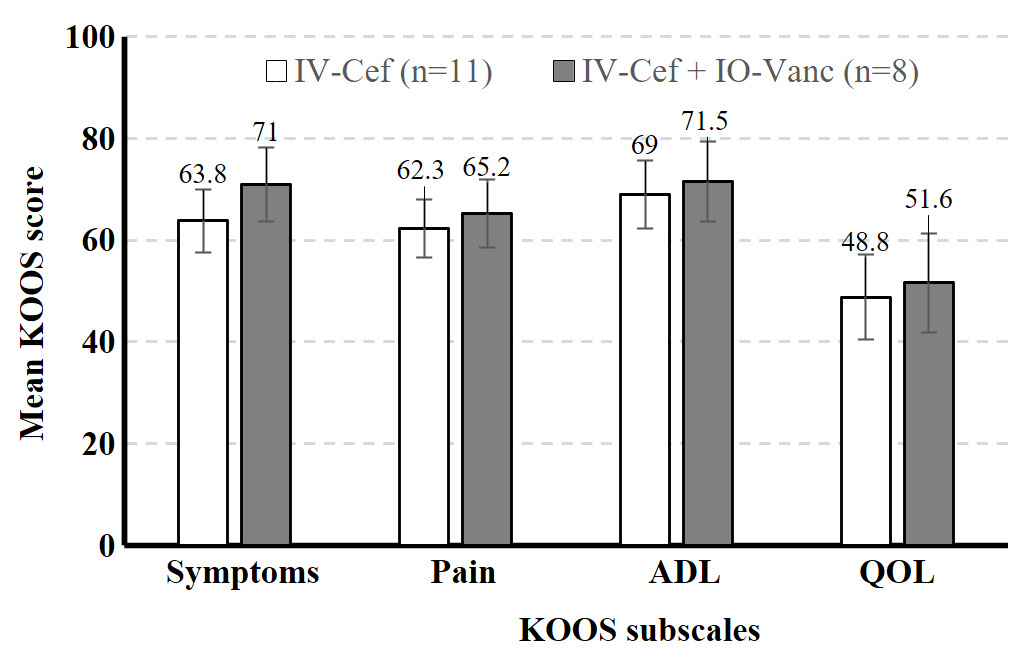
Table 1.Baseline demographics and clinical characteristics
Characteristic IV-Cef
(n=16)
IV-Cef + IO-Vanc
(n=16)
Age (years), mean (SD) 60.6 (7.9) 64.8 (5.5)
BMI (kg/m2), mean (SD) 38.5 (6.1) 37.7 (6.5)
Female, % (n) 56.3 (9) 56.3 (9)
Race, % (n)
African American/Black 18.7 (3) 43.8 (7)
Caucasian/White 81.3 (13) 56.2 (9)
Insurance type, % (n)
Private 31.2 (5) 37.5 (6)
Medicare 12.5 (2) 0 (0)
Medicare Advantage 12.5 (2) 37.5 (6)
Medicaid 43.8 (7) 25.0 (4)
Education, % (n)
< High school 6.2 (1) 6.2 (1)
High school grad 56.3 (9) 18.8 (3)
> High school 37.5 (6) 75.0 (12)
KOOS prior to TKA, mean (SD)
Symptoms 46.2 (21.0) 44.1 (14.0)
Pain 39.1 (18.2) 40.6 (18.9)
ADL 39.9 (19.1) 42.8 (20.2)
QOL 16.3 (16.3) 22.9 (19.6)
HbA1c, mean (SD) 5.6 (0.6) 5.9 (0.8)
PJI risk factors
Current smoker 18.8 (3) 25.0 (4)
BMI ≥40 kg/m2 56.3 (9) 56.3 (9)
HbA1c >7.0% 6.3 (1) 21.4 (3)
Overall deformity angle, mean (SD) 9.0 (6.4) 9.2 (4.7)

Abbreviations: ADL, function in daily living; BMI, body mass index; HbA1c, hemoglobin A1c; KOOS, Knee Injury and Osteoarthritis Outcomes Scale; PJI, prosthetic joint infection; QOL, quality of life; SD, standard deviation; TKA, total knee arthroplasty.

Figure 1
Figure 1.KOOS scores two weeks after TKA by group. All values are least square means and bars represent standard error of the mean.

Abbreviations: ADL, function in daily living; KOOS, Knee Injury and Osteoarthritis Outcomes Scale; QOL, quality of life; TKA, total knee arthroplasty.

Figure 2
Figure 2.KOOS scores 3 months after TKA by group. All values are least square means and bars represent standard error of the mean.

Abbreviations: ADL, function in daily living; KOOS, Knee Injury and Osteoarthritis Outcomes Scale; QOL, quality of life; TKA, total knee arthroplasty.

Before surgery, no patient had signs or symptoms of a deep infection. During the 3 months after TKA, no patients had signs or symptoms indicating a possible infection; therefore, no cultures were performed. No patient developed an infection during the study.

DISCUSSION

Although this preliminary study lacked the power for non-inferiority statistical testing due to its sample size, the descriptive data (e.g., least squares mean, standard error) should help reassure surgeons that the use of IO vancomycin does not worsen pain or function in early recovery from TKA among high-risk patients. In this study, both treatment groups had similar postoperative KOOS scores at 2-week and 3-month follow-up as well as similar LOS. The similar PROs between groups suggests that the route of vancomycin administration does not influence short-term TKA outcomes; however, these findings must be interpreted with caution given the small sample size. It is possible that IO-Vanc may have advantages over IV-Cef in terms of LOS and 3-month TKA values, but a larger study is required to determine whether these differences are statistically significant. These preliminary results should offer clinicians some reassurance that the use of IO vancomycin does not appear to increase postoperative pain or worsen function in the short-term recovery period following TKA.

The main limitations of this study are its retrospective design, small sample size, lack of data on complications, missing HbA1c data, and treatment by a single surgeon. The retrospective design precludes attributions of causality and introduces the possibility of selection bias. Although propensity score matching helps to mitigate selection bias, we were unable to match patients on HbA1c due to missing data for two patients in the IO-Vanc group. The small sample reduced statistical power to detect statistically significant differences or conclusions about non-inferiority in outcomes between the groups; a larger retrospective study may address this limitation. In addition, an adequately powered randomized prospective study would more conclusively determine the benefits and risks of IO vancomycin versus IV cefazolin. The absence of data on some post-surgical complications (e.g., readmissions) limited our ability to fully assess the clinical impact of the two antibiotic approaches. Lastly, generalizability of findings is limited due to all patients being treated by the same surgeon.

Conclusion

High-risk patients who received IO vancomycin plus IV cefazolin versus IV cefazolin alone appeared to have similar KOOS scores at 2-week and 3-month follow-up after TKA. These findings should allay surgeons’ concerns that IO antibiotics may negatively affect knee pain or function after TKA. Additional research with larger samples is needed to understand how antibiotic delivery methods impact TKA outcomes, especially for patients at higher risk for infection.

Supplemental Table. KOOS subscale scores at 2 weeks and 3 months after TKA (n=32)
Outcome IV-Cef IV-Cef + IO-Vanc
2 weeks (n=11) (n=9)
Symptoms 58.8 (6.6) 51.4 (7.3)
Pain 59.8 (4.0) 67.8 (4.4)
ADL 66.5 (6.0) 58.4 (6.7)
QOL 30.8 (7.4) 40.2 (8.2)
3 months (n=11) (n=8)
Symptoms 63.8 (6.2) 71.0 (7.3)
Pain 62.3 (5.7) 65.2 (6.7)
ADL 69.0 (6.7) 71.5 (7.9)
QOL 48.8 (8.4) 51.6 (9.8)

All values are least square means (standard error of the mean) adjusted for pre-TKA values.
Abbreviations: ADL, function in daily living; KOOS, Knee injury and Osteoarthritis Outcomes Scale; QOL, quality of life; SD, standard deviation; TKA, total knee arthroplasty.

Submitted: May 13, 2025 EDT

Accepted: July 21, 2025 EDT

References

Batty, L. M., and B. Lanting. 2020. “Contemporary Strategies to Prevent Infection in Hip and Knee Arthroplasty.” Curr Rev Musculoskelet Med 13 (4): 400–408. https:/​/​doi.org/​10.1007/​s12178-020-09653-9.
Google Scholar
Bedard, N. A., D. E. DeMik, J. M. Owens, N. A. Glass, J. DeBerg, and J. J. Callaghan. 2019. “Tobacco Use and Risk of Wound Complications and Periprosthetic Joint Infection: A Systematic Review and Meta-Analysis of Primary Total Joint Arthroplasty Procedures.” J Arthroplasty 34 (2): 385-396.e4. https:/​/​doi.org/​10.1016/​j.arth.2018.09.089.
Google Scholar
Bozic, K. J., E. Lau, S. Kurtz, K. Ong, and D. J. Berry. 2012. “Patient-Related Risk Factors for Postoperative Mortality and Periprosthetic Joint Infection in Medicare Patients Undergoing TKA.” Clin Orthop 470 (1): 130–37. https:/​/​doi.org/​10.1007/​s11999-011-2043-3.
Google Scholar
Chin, S. J., G. A. Moore, M. Zhang, H. D. Clarke, M. J. Spangehl, and S. W. Young. 2018. “The AAHKS Clinical Research Award: Intraosseous Regional Prophylaxis Provides Higher Tissue Concentrations in High BMI Patients in Total Knee Arthroplasty: A Randomized Trial.” J Arthroplasty 33 (7S): S13–18. https:/​/​doi.org/​10.1016/​j.arth.2018.03.013.
Google Scholar
Davis, R. L., A. L. Smith, and J. R. Koup. 1986. “The ‘Red Man’s Syndrome’ and Slow Infusion of Vancomycin.” Ann Intern Med 104 (2): 285–86. https:/​/​doi.org/​10.7326/​0003-4819-104-2-285_2.
Google Scholar
Klasan, A., C.K. Patel, and S.W. Young. 2021. “Intraosseous Regional Administration of Vancomycin in Primary Total Knee Arthroplasty Does Not Increase the Risk of Vancomycin-Associated Complications.” J Arthroplasty 36 (5): 1633–37. https:/​/​doi.org/​10.1016/​j.arth.2020.12.034.
Google Scholar
Miltenberg, B., L. Ludwick, R. Masood, et al. 2023. “Intraosseous Regional Administration of Antibiotic Prophylaxis for Total Knee Arthroplasty: A Systematic Review.” J Arthroplasty 38 (4): 769–74. https:/​/​doi.org/​10.1016/​j.arth.2022.10.023.
Google Scholar
Park, K. J., J. Chapleau, T. C. Sullivan, T. A. Clyburn, and S. J. Incavo. 2021. “2021 Chitranjan S. Ranawat Award: Intraosseous Vancomycin Reduces Periprosthetic Joint Infection in Primary Total Knee Arthroplasty at 90-Day Follow-Up.” Bone Jt J 103-B (6 Supple A): 13–17. https:/​/​doi.org/​10.1302/​0301-620X.103B6.BJJ-2020-2401.R1.
Google Scholar
Parkinson, B., P. McEwen, M. Wilkinson, et al. 2021. “Intraosseous Regional Prophylactic Antibiotics Decrease the Risk of Prosthetic Joint Infection in Primary TKA: A Multicenter Study.” Clin Orthop 479 (11): 2504–12. https:/​/​doi.org/​10.1097/​CORR.0000000000001919.
Google Scholar
Philbeck, T. E., J. G. McDonald, M. Carew, and C. Ross. 2024. “Retrospective Observational Study of Safety, Performance, and Duration of Use of Battery-Powered Intraosseous Access Device in Pediatric Patients.” SAGE Open Med 12:20503121241306959. https:/​/​doi.org/​10.1177/​20503121241306959.
Google Scholar
Simkin, P. A. 2004. “Bone Pain and Pressure in Osteoarthritic Joints.” In Osteoarthritic Joint Pain, 179–90. John Wiley & Sons, Ltd. https:/​/​doi.org/​10.1002/​0470867639.ch12.
Google Scholar
Varacallo, M., T. D. Luo, and N. A. Johanson. 2023. “Total Knee Arthroplasty Techniques.” In StatPearls. StatPearls Publishing. http:/​/​www.ncbi.nlm.nih.gov/​books/​NBK499896/​.
Google Scholar
Waisman, M., M. Roffman, S. Bursztein, and M. Heifetz. 1995. “Intraosseous Regional Anesthesia as an Alternative to Intravenous Regional Anesthesia.” J Trauma 39 (6): 1153–56. https:/​/​doi.org/​10.1097/​00005373-199512000-00025.
Google Scholar
Yamada, K., K. Matsumoto, F. Tokimura, H. Okazaki, and S. Tanaka. 2011. “Are Bone and Serum Cefazolin Concentrations Adequate for Antimicrobial Prophylaxis?” Clin Orthop 469 (12): 3486–94. https:/​/​doi.org/​10.1007/​s11999-011-2111-8.
Google Scholar
Young, S.W., M. Zhang, J.T. Freeman, J. Mutu-Grigg, P. Pavlou, and G.A. Moore. 2014. “The Mark Coventry Award: Higher Tissue Concentrations of Vancomycin With Low-Dose Intraosseous Regional Versus Systemic Prophylaxis in TKA.” Clin Orthop 472 (1): 57–65. https:/​/​doi.org/​10.1007/​s11999-013-3038-z.
Google Scholar
Yu, M., Z. Wei, X. Yang, et al. 2024. “Safety and Effectiveness of Intraosseous Regional Prophylactic Antibiotics in Total Knee Arthroplasty: A Systematic Review and Meta-Analysis.” Arch Orthop Trauma Surg 144 (9): 4233–45. https:/​/​doi.org/​10.1007/​s00402-024-05513-0.
Google Scholar

Attachments

Powered by Scholastica, the modern academic journal management system