
With the following discussion, I will be sharing a few chapters from my history, and my interaction with the direct anterior approach (DAA). For me, it began when I was a Yale Orthopaedic Surgery resident, going through my rotations. I was a third-year resident and had two back-to-back rotations. One was in pediatric orthopedics, the other was a research block. I used those two linked together to do a research project on hip preservation, and looking at laser Doppler flowmetry to the adolescent hip during cuneiform osteotomy. We created a low-cost laser Doppler probe equivalent because we didn’t have a laser Doppler probe; they were prohibitively expensive at that time. We connected a spinal needle drilled into the femoral head to an arterial line, and we could see pulsatile waveforms in the femoral head during the osteotomy. It was functional and inexpensive, using readily available materials; a good project because it could be translated for use by other centers around the world.
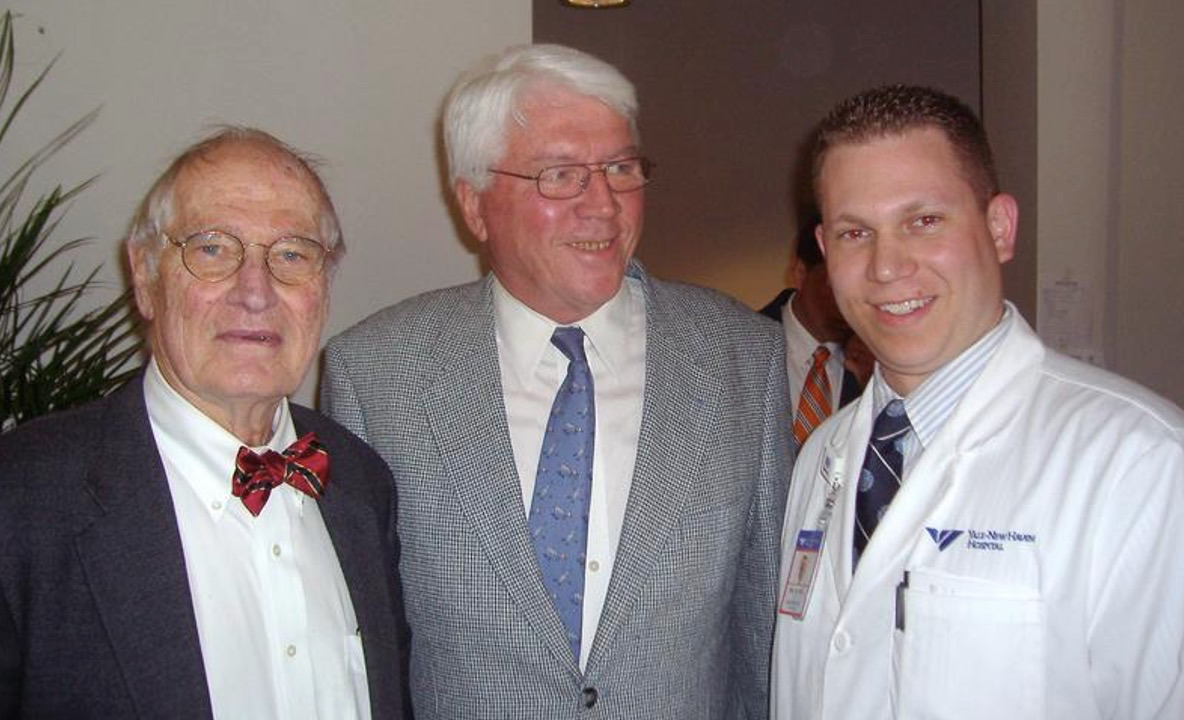
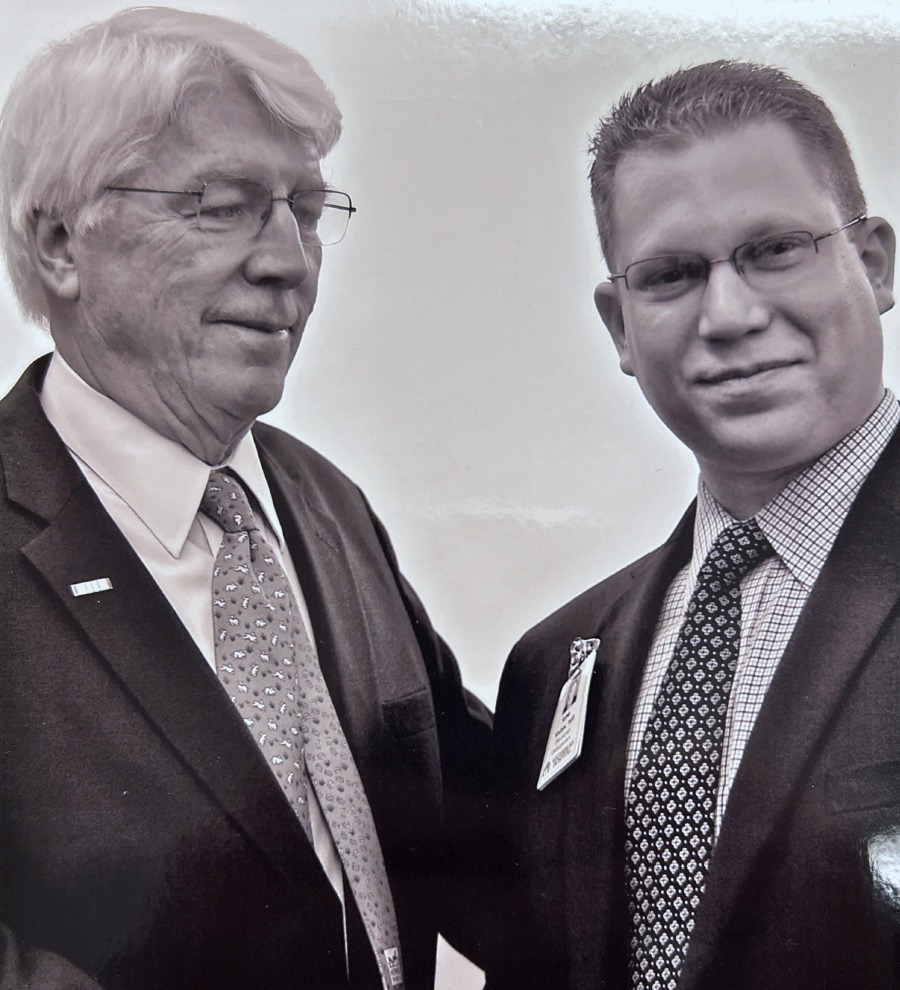
I was very excited about this research on identifying and preserving the vascularity of the hip, and I then went on to my next rotation at Waterbury Hospital with Dr. Kristaps Keggi as a PGY-3. At the start of my rotation, he asked me, “Lee, what are you interested in orthopedics?” I replied, “Well, I really enjoyed my pediatric orthopedic rotation.” He says, “Why?” I told him, “Well, I was exposed to hip preservation and hip surgery in the pediatric patient. It was fascinating, with all the various hip diseases and deformities we would see, and how those translate later to adult deformity.” He looked at me and just said, “Interesting. I’m going to make you a hip surgeon.” I said, “Well, okay, I’m open to that.”
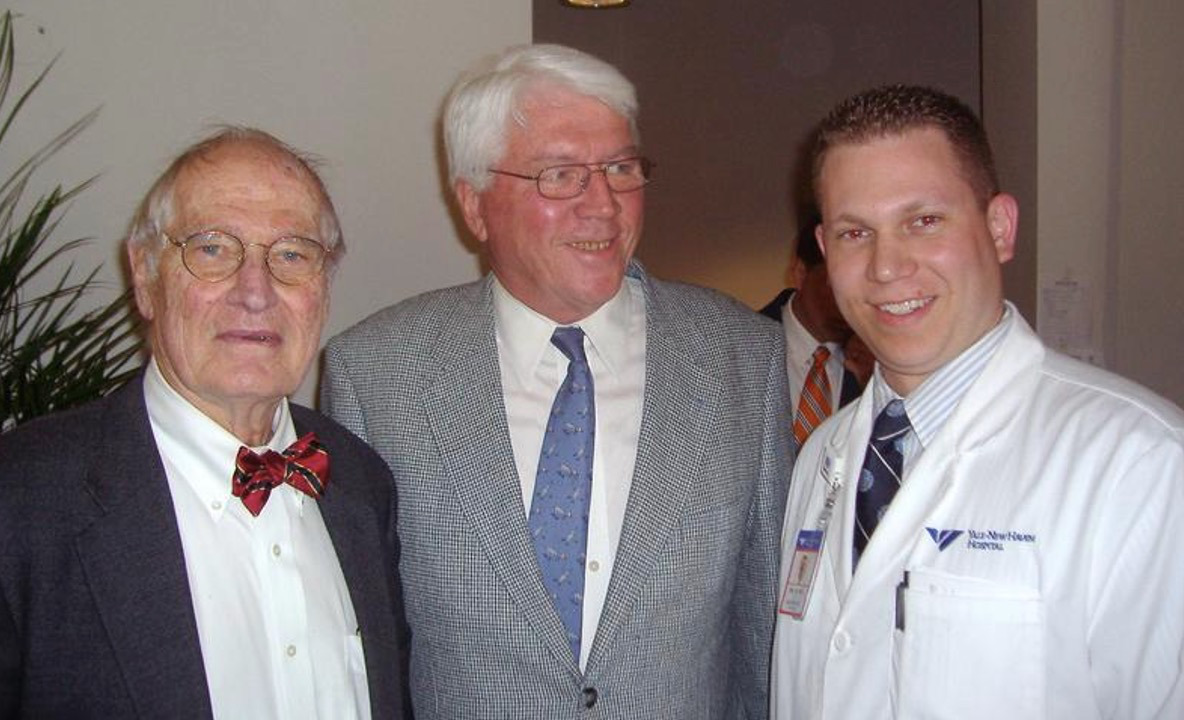
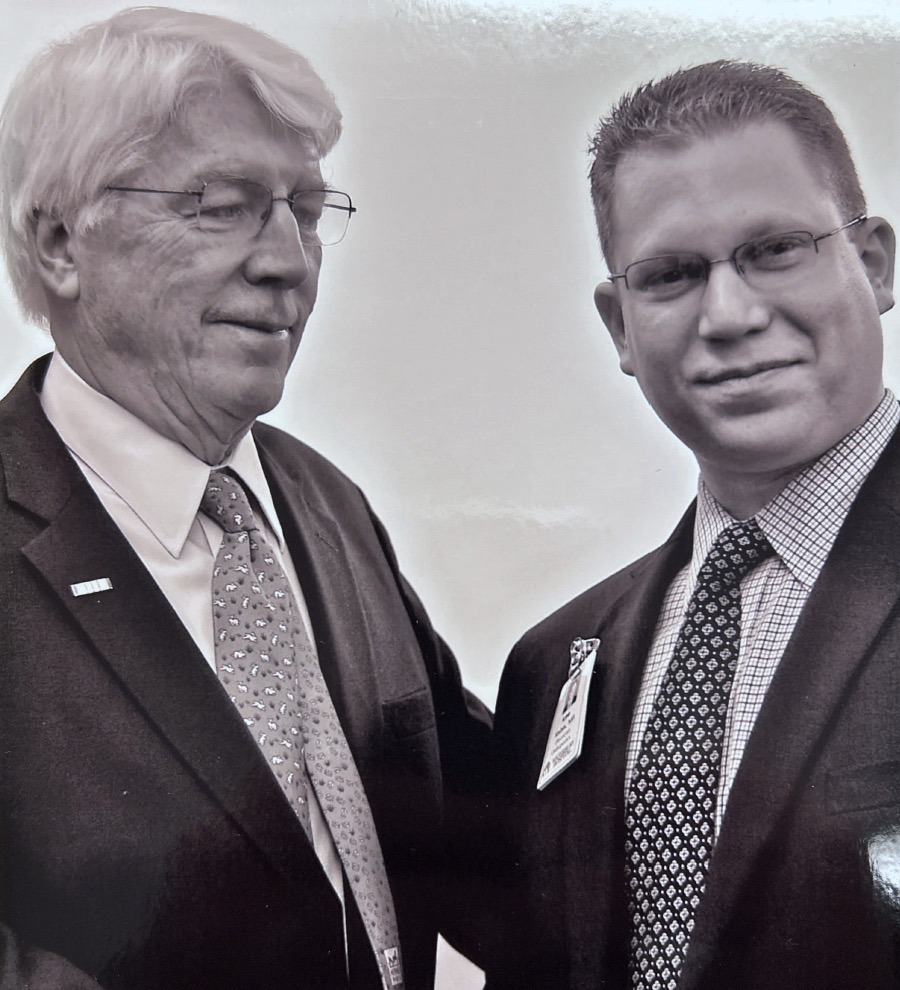
Lo and behold, that was the start of my relationship with Kris Keggi as a surgeon and educator on that rotation. Over time, he quickly became a mentor and nurtured my interest in hip surgery, tutoring me throughout that process and showing me what he and his partners were doing with the anterior hip approach. What I saw at that time was a group of anterior hip surgeons using the technique, but it wasn’t widely used elsewhere in the United States. Certainly, at Yale, there was some use. Dr. Richard Pelker was the Yale section chief who was using it in New Haven for primary THA. He had trained with Kris Keggi as a Yale resident in the 1970’s, but there really wasn’t much national use beyond this small group of surgeons. The anterior approach was locked in that small “bubble” and for me as a resident, it was like finding a hidden treasure.
I saw Kris Keggi’s patients, and rounded on them daily: they did amazingly well: It was really incredible. We were sending patients home the next day, and ultimately, we were asked, “Can I go home the same day?” We were doing same-day and next-day discharges. This was back in 2007, and “short stay” hip replacement surgery was just not yet a “thing” in the United States. “Outpatient” joint replacement was a nascent idea (it was being used in Chicago by Dr. Rich Berger). He pushed it, developed that concept, but Kris Keggi was also doing it routinely. It wasn’t even like a plan; it was because the patients had the anterior approach. Tissues were preserved, they had very little blood loss; their homeostasis was intact. They got up and got home. I thought, “Well, maybe it’s a fluke.” But I also rotated with Dr. John Keggi and Dr. Ted Kennon in that same practice, and I saw their patients do the same. This was in direct comparison to what I saw in the recoveries of patients who underwent lateral and posterior approaches at Yale, and those patients had a lot of challenges and complications.
In the office, they had many postoperative challenges including, pain control issues, limping, and dislocations from the posterior approach, we would see those on call. It was almost unheard of for Keggi’s patients to dislocate their hips. Most of the dislocations that they were treating were patients that came from elsewhere and they managed these posterior hip problems through the anterior approach. This was a real moment in my life. I said, “There’s something to this.” Then I went to AAHKS which is a great meeting. I was going into hip surgery and this was my first AAHKS.
I went to the “ask-the-expert” case session. One of the senior surgeon experts on the panel was talking about the anterior approach and said to the full room, 500+ people – I’ll never forget this – and I quote, “The anterior approach is nothing more than a cheap party trick,” and that comment struck me and impacted the course of my career. I thought, “Is Keggi just some kind of magician using a “sleight of hand” to achieve his results? Or is there something more to the anterior approach that needs to be studied, evaluated, published on, and written about?” In that moment, I decided to pursue a career which included fellowship training with the anterior approach.
I decided to do a fellowship with Kris, because at that time there were only two fellowships in the country you could go to learn anterior approach; either with Dr. Joel Matta on the West Coast or Kris Keggi on the East Coast. As a PGY-4, I said to my wife, “I have two options.” She said, “Well, you’re not going to LA.” This occurred in the fall of 2008 with our first child on the way: she was thinking clearly, and that greatly simplified my search. I said, “I’m going to go train with Keggi,” and the decision was made.
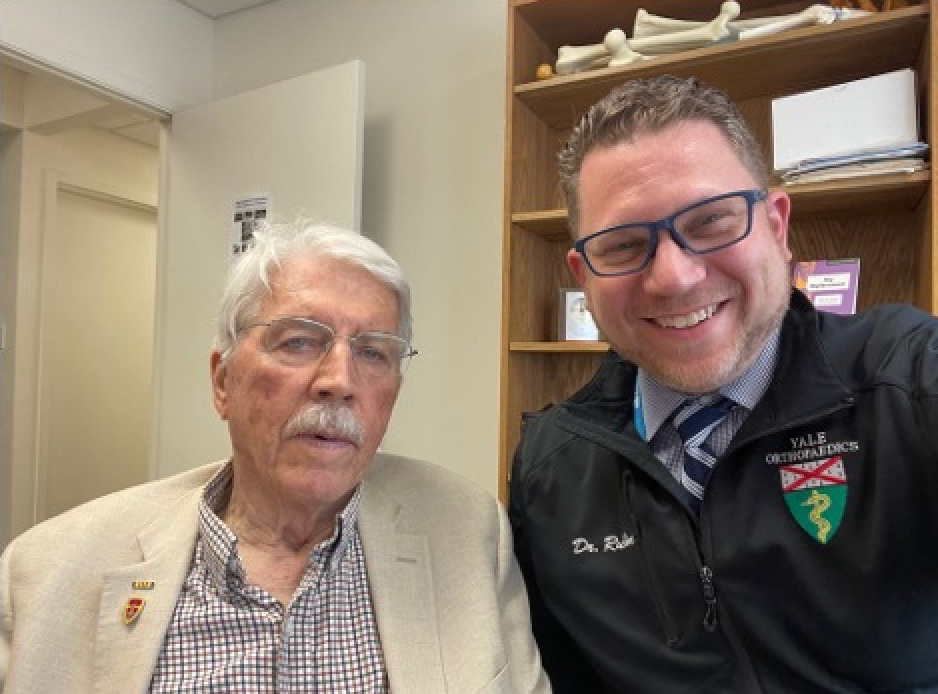
Soon enough, in August 2009, I began fellowship with Keggi and his partners, and we’re trying to publish on metal-on-metal hip resurfacing through the anterior approach, (hip resurfacing is ironically making a comeback in 2026 with new ceramic-on-ceramic implant materials), but we couldn’t get it published. We ended up working with Dr. Bruce Browner and “Techniques in Orthopaedics” and edited a whole volume of the journal, a special edition on hip resurfacing.
We published our data there because it was just incredibly difficult to get anything in the mainstream literature that said “anterior approach.” There was a huge bias against it. In that moment, where we wanted to create research with data and share this with the world to prove that it’s not just a “party trick,” we couldn’t. We had a major roadblock. In that era, if you wanted information, if you wanted references, you had to contact Keggi, and of course, this was the era of reprints. So, if you wanted Keggi’s articles, he had them, but it was in physical reprint copies. You had to go to his office after hours, have a glass of bourbon, and then he would go into the file cabinet, and would say to me, “here are two articles that you should read for next week.” He’d go and leaf through the cabinet and take out his article and give you a reprint. That’s how printed literature was disseminated at that time.
Orthopaedics had an information dissemination problem, and the internet was not what it is today. There was a journal problem, where you couldn’t get things accepted. There was no reference book, and there was no course, and there was no other place to learn except from the master himself and his colleagues that were doing it inside that “bubble” of innovative practice.
From these experiences, I quickly saw there was a need to standardize education around the anterior approach, to write about it, to collate that information, and ultimately to create what later became our first edition textbook, which we published in 2016 (Bal et al. 2016).
I worked with Keggi for one more year after fellowship, then in 2011, I took a job with Brown Orthopaedics up at University Orthopaedics in Providence, Rhode Island. I continued to work with Keggi remotely. I was an assistant professor, junior faculty at the newly founded Joint Replacement Center at the Miriam Hospital with Brown. The textbook became my project that I worked on behind the scenes, after hours, late at night, on the weekends, trying to put this all together. We got a publisher, it had become a 35-chapter project. One of the goals for that book and the next step for me was to bridge all the gaps because in the early anterior hip meetings, there was quite a bit of infighting about, “Oh, my technique is the best. Of course, I have a traction table,” or “No, I use a modified traction table,” or “No, I don’t use the traction table.” So while Keggi, Matta, Dr. Stephan Kreuzer, and Dr. Keith Berend and others were advocating for their own version of the technique to become the accepted standard, I concluded that as a young surgeon, I wanted to learn from the best elements of all of their expertise, so that my mission became clear: all of their perspectives needed to be included in a unifying anterior hip textbook.
I took their courses that they taught. I visited Keith Berend in New Albany, Ohio. I went to Matta’s hip course that he was teaching with DePuy, and they all had something to share, something to teach me. I learned a ton from each of them. What I wanted to do with the book is bridge those gaps and sort of bury the proverbial “hatchet,” and that’s what we did with that first textbook. Unify the anterior hip world and show surgeons what they could learn from each of these masters.
The snafu, of course, in that moment in time, was that we were waiting for Dr. Matta to send his chapter in. It really meant the world to me to make sure that he was included, and I told him that. We had 34 chapters, and we’re waiting and waiting. He’s a busy guy, he’s travelling, teaching, et cetera. We knew this. I had told him, “You can send me any length, and we’re going to make sure it’s going to go in the book. No matter what you send me, we’re going to get it in the book.” So one day, in 2015, I finished my cases, went to the dictation room, opened my computer, and in my email inbox was the chapter submitted by Joel, and it looked fantastic. That was the last step to move that first book towards completion.
I remember being overwhelmed with joy at that moment that I had achieved the mission of bridging the gap, including these many authors, accumulated all of this knowledge in one place with our first textbook. With that email from Joel, it was life-changing in a very positive way. I knew that this was going to really move the anterior approach forward, and we did just that: we published the first textbook in 2016, the first comprehensive reference in the world on hip surgery through the anterior approach. At the time, the concepts of “anterior approach” competed with the “direct anterior” terminology in the literature, so I merged the two and labeled it the “direct anterior approach…” and so the “DAA” emerged and the rest is history.
I think that book was badly needed, as there was no clear single way to learn it. Of course, around that time, we were starting the anterior hip course, which was at that time through the ICJR and now is through the group called the International Masters Anterior Course (we just held the 15th course). I was very fortunate to work with Joel, Stefan Kreuzer, and others, to be on the faculty for that first meeting. I said to them, “You can give me any topic, I will come, give me one lecture, I will participate,” because I was an unknown junior faculty. I just said, “I will hustle, and I’ll do anything you need to contribute to this meeting, because I think it’s so important.”
They gave me my first talk at the anterior meeting on specialized instruments. Talking about broach handles, not the sexiest topic, but to me, it became an essential one. I looked up Keggi’s history at the Waterbury Hospital, they had these beautiful black and white photos of his instruments which the head Ortho OR Nurse, Elise Callahan, used to educate the OR nursing and surgical tech teams. As it turns out, what I learned in that moment was that Keggi, invented and developed modular broach handles. The entire world takes for granted that you can remove the handle from the broach and do a hip trial. Well, at one point in time, that was not the case! There was also no such thing as a curved handle. All the broaches were long, straight Mueller broaches, because all the hips at that time were cemented monoblock stems.
To make the first set of offset broaches, Keggi went to a local metal shop in Waterbury, heated them with a metal manufacturer and he bent them. Literally, he bent them manually over metal bending irons, and he had a set of three sizes. That became the only curved broach set in the world at that time – just think about that for a minute. Those early broaches were a bit cumbersome, and didn’t allow the surgeon to perform a trial reduction; as the world moved towards press-fit stems with modular component options, he wanted to be able to trial.
He collaborated with the Richards Manufacturing Company (Memphis, TN), to advance his idea that you could remove the handle from the broach, and he invented the modular handle. It was the first set that was ever built. Then later, he worked with Howmedica (Rutherford, NJ), and created the first commercially available set of retractors and broaches that were available to surgeons.
What I learned in the history of this, is that until industry created and distributed the instruments, you just couldn’t get them. Surgeons would come and visit Keggi during my residency and fellowship; people from all over the country would fly in. They would come to our morning joint conference, listen to him, operate with him, be with us for a couple of days or a week, and they’d go home, and then they couldn’t get his instruments. After their visit, it was hard to get the articles because they were locked away in Keggi’s library or his closet, and of course in those early years there was no reference textbook. No instruments, no articles, no book, amounted to “three strikes,” and they were out: they couldn’t adopt the anterior approach, and the industry hadn’t really bought in.
But after our book and once industry started to distribute standardized anterior hip instrument kits, it transformed the experience for surgeons. They could learn it. They could then go back and get the instruments. And once the ICJR anterior hip course became an annual event, it became the world’s only anterior hip CME Course, to nurture their ongoing knowledge growth and skill development. By then, you could attend the course, get the textbook, and at every level, you started to learn about the anterior approach.
I didn’t fully appreciate all of this until I sat and made that specialized instruments talk! Today, nearly every major manufacturer has offset modular broach handles and specialized anterior instrument sets available for surgeons as a standard, which has helped to advance the anterior hip field nationally and globally.
For the first 5 years of the Anterior Hip Course in Houston, we saw surgeons learning the basics. They just wanted to know how to do an anterior hip so they could have it in their practice, say that they “did the anterior approach,” and know how to put a primary stem in. Later, they said, “I want to learn how to cement the hip,” because we learned that we should really be cementing, especially in the elderly. Then they started to come back with new problems. After some years, they said, “Okay, we’ve done 1,000 of these now, and people are doing incredibly well. But I had this one lady who fell and had a periprosthetic fracture. I had this one guy who got infected, and I didn’t know what to do. So how do you manage that?” So, the next 5 years became, “Okay, let’s build in some basics of revision, of washing out a hip or placing wires.” We incorporated that into the teaching process, and we incorporated that into labs. Then what we saw was fellows and residents started showing up saying, “This isn’t being taught in my program. I’m here because I want to use this in practice, but I need to learn it.” Then in the next 5 years, we saw trainees that were coming from programs that didn’t have faculty operating anteriorly. They didn’t care; they wanted to learn the DAA because there was a public demand for better results. I think the public and the surgeons in the world became quickly aware that there was a difference in outcomes, and so the course really evolved.
Now, we’re heading into the16th year of that course, now branded as the International Masters Anterior Course (IMACx) course. At the 15th course in September 2025 we saw one-third of the faculty was international, both faculty and attendees. We saw surgeons from the Philippines, Singapore, India, Australia at this course, along with a contingent of surgeons and trainees from Mexico City, as well as from Brazil and Chile. The next 5-10 years of growth of this technique will clearly be on the international level, because I think what we’ve arrived at in the United States is that the DAA has become an accepted standard, whereas 20 years ago, when I was beginning my career, it most certainly was not.
Most recently, we have seen various AAHKS and ABOS surveys that have been done: about 60%-72% or so of US surgeons are using the DAA as an option. I think for fellows coming out of training now, the number is probably closer to 80 or 90% who are using the anterior approach. They’re learning it, they’re coming out, they’re practicing with it. This is only going to drive that number higher over time, as the younger generation continues to learn. Now, of course, we know there’s faculty at Brown, Dartmouth, Rutgers, and the Rothman Institute that do it, there’s faculty at Mayo with Dr. Michael Taunton, at HSS with Dr. Jose Rodriguez and Dr. Alejandro Gonzalez Della Valle, and at Virginia Tech, Drs. Joe Moskal, Benjamin Coobs, and Murillo Adrados. The list just goes on and on and on, but none of this existed when I was seeking my own training.
So, there’s been a radical transformation of how we teach this technique in orthopaedic residency training, and the young surgeons are coming out well prepared. We’ve had dozens of resident surgeon graduates come through Yale in the last 10 years who have gone into hip surgery, and they’re all using the anterior approach. It’s not even a thought for them. Dr. Robert Shershon, who’s down at Alexandria, Virginia at the Anderson Institute, published a really interesting paper showing that if you train with the anterior approach in your residency, your fellowship, and you go out into practice, within your first 300 cases and compare them to a senior surgeon using the posterior approach, you’ll find the young surgeons doing anterior approach had no difference in complication rates whatsoever compared to the expert. This addressed the whole learning curve concept, which had a very negative connotation for the anterior approach and kind of a condemnation of surgeons learning this. We heard, “Oh, you have to go through your learning curve, and it’s a very steep learning curve,” and, “You’ll have a lot of complications, you’ll break femurs, you’ll have infections,” and even, “Oh, you’ll have a 12 to 15% infection rate in the anterior approach.” Amazingly discouraging statements, but this is what was out there. What they’ve shown with this more recent work is that if you really learn the DAA strategically and in a very organized manner during your training, you come out and won’t have any difference.
We were fortunate at Yale this past year to have the first ever Keggi Lectureship (May 12, 2025), in which we hosted Professor Rajesh Malhotra, from New Delhi, India, who is one of the most academically published and accomplished surgeons on the Indian continent. It’s just amazing, he’s written over 900 publications. He has an incredible influence in India, and he’s trained a multitude of surgeons from New Delhi at the All India Institute of Medical Sciences. He came and gave a lecture on how the anterior approach has transformed his practice. He showed patients who could not walk because they had bilateral hip contractures. They have a very high prevalence of ankylosing spondylitis but he could not put those patients lateral to get to their hips because their legs were fixed in flexion abduction. By learning the anterior approach, it allowed them to do simultaneous bilateral hips for those patients. He’s also published on doing both hips and both knees all in one anesthetic.
We recorded this memorial lectureship on the website at Yale. It was one of those incredible life-changing moments to hear his story and see the work at the high level they have done. Because of the complexity, it was a necessity for him to employ the anterior approach in his practice. Professor Malhotra has taught everyone who is anyone in India now to learn it. His lecture was one of those moments in my life, one of the chapters now that signifies where we are today, that the international growth of the DAA technique with contributions from people like Dr. Malhotra dealing with pathologies that we just can’t even begin to imagine in the US. It shows how far the field has come: the DAA is helping to tackle some of the most complicated surgical challenges to be found anywhere in modern practice, and the DAA is driving surgical innovation globally.
I have covered the origin, the evolution, and where we are today. For the future, hip surgery with this technique is very bright. I’ve been fortunate to be able to travel all over the world and participate in recent courses in Barcelona, Madrid, Rome, and New Delhi, India. I’ve done teaching remotely in three centers in Africa, with the DePuy Latin American Forum for surgeons in Central and South America, and most recently I traveled to Vietnam in May 2026 to help teach the first-ever DAA course in that country. I worked with Drs. Le Nhan and Hao Hoang from Hue University, both of whom had previously been visiting scholars with Dr. Keggi and I at Yale in 2005 and 2019, respectively.
I think the fact that the Internet and Artificial Intelligence have both arrived, the future will see how these technologies will break down learning barriers and will level the playing field to further drive global education and innovation.
We were fortunate to bring our DAA book forward to a second edition in 2024 (Rubin et al. 2024). We expanded the book from 35 to about 60 chapters. I made it a priority to have chapters from global surgeon authors in Costa Rica, Australia, India, to make sure their stories are told in the book, it was very important to me. There’s a rapidly expanding database of knowledge in the scientific literature on DAA that we’re going to continue learning from and now, AI will summarize it all, identify gaps to be filled in with new research, and drive that knowledge home for us.
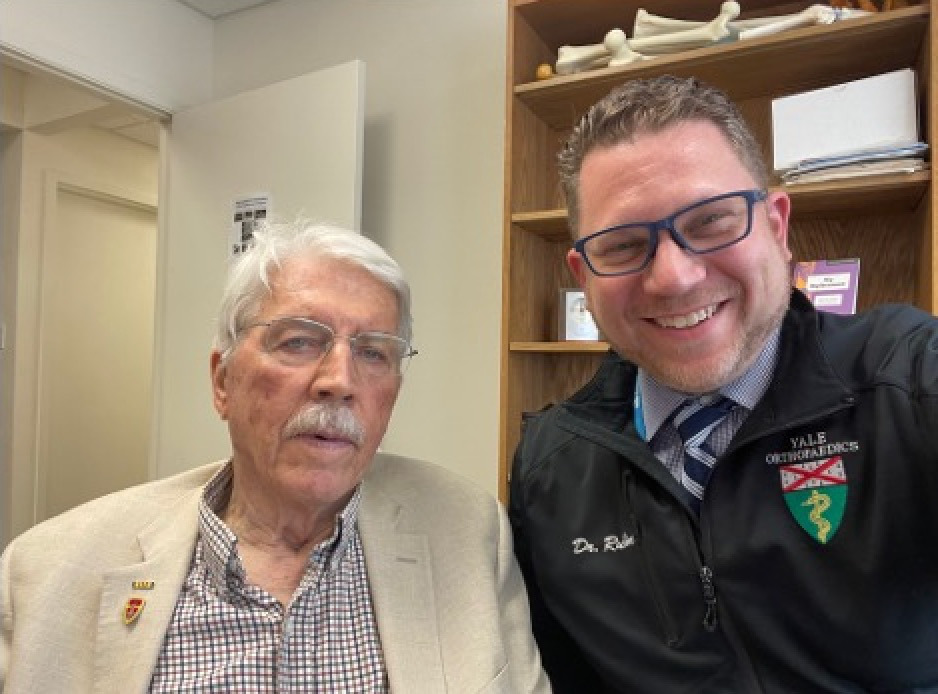
Overall, it’s been a fun ride to date through these many experiences. I think it’s one of those things: you meet a mentor, make a connection, and that mentorship can literally change your life. I will be forever grateful for Dr. Keggi as a mentor, advocate, and friend.
In the present moment, I am greatly honored to continue my work at Yale, where I was recently promoted to Full Professor and also appointed as the Inaugural Kristaps J. Keggi Endowed Professor of Orthopaedic Surgery. I’m excited to be working with our students, residents, and arthroplasty fellows. Helping them to each achieve success in their own lives and professional careers. In a full-circle experience, mentorship has delivered a very powerful source of meaning in my own life.