
Seven of our residents thought so.
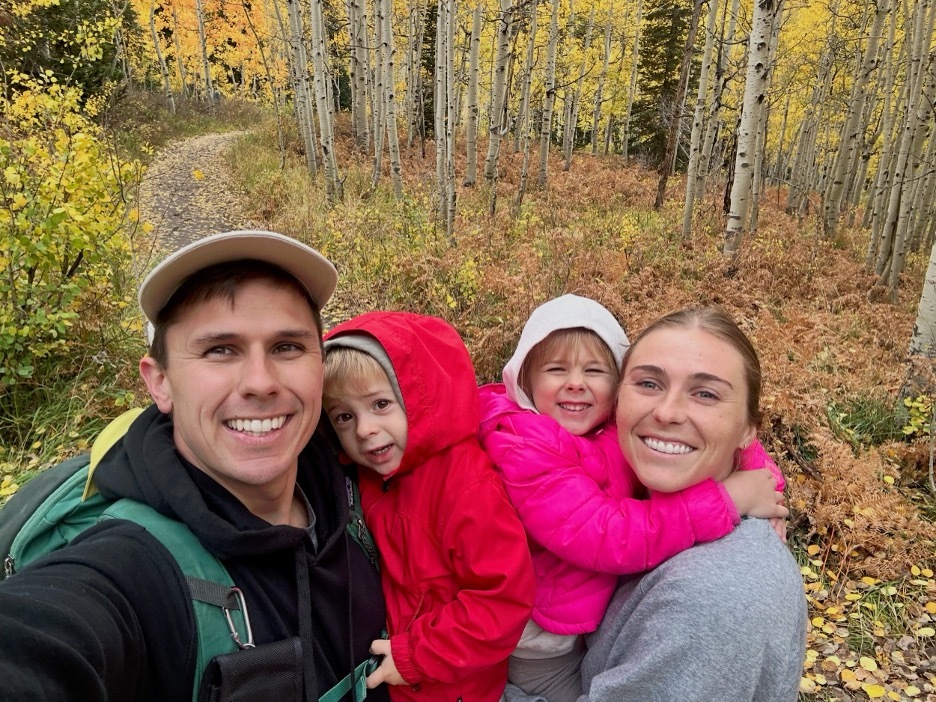
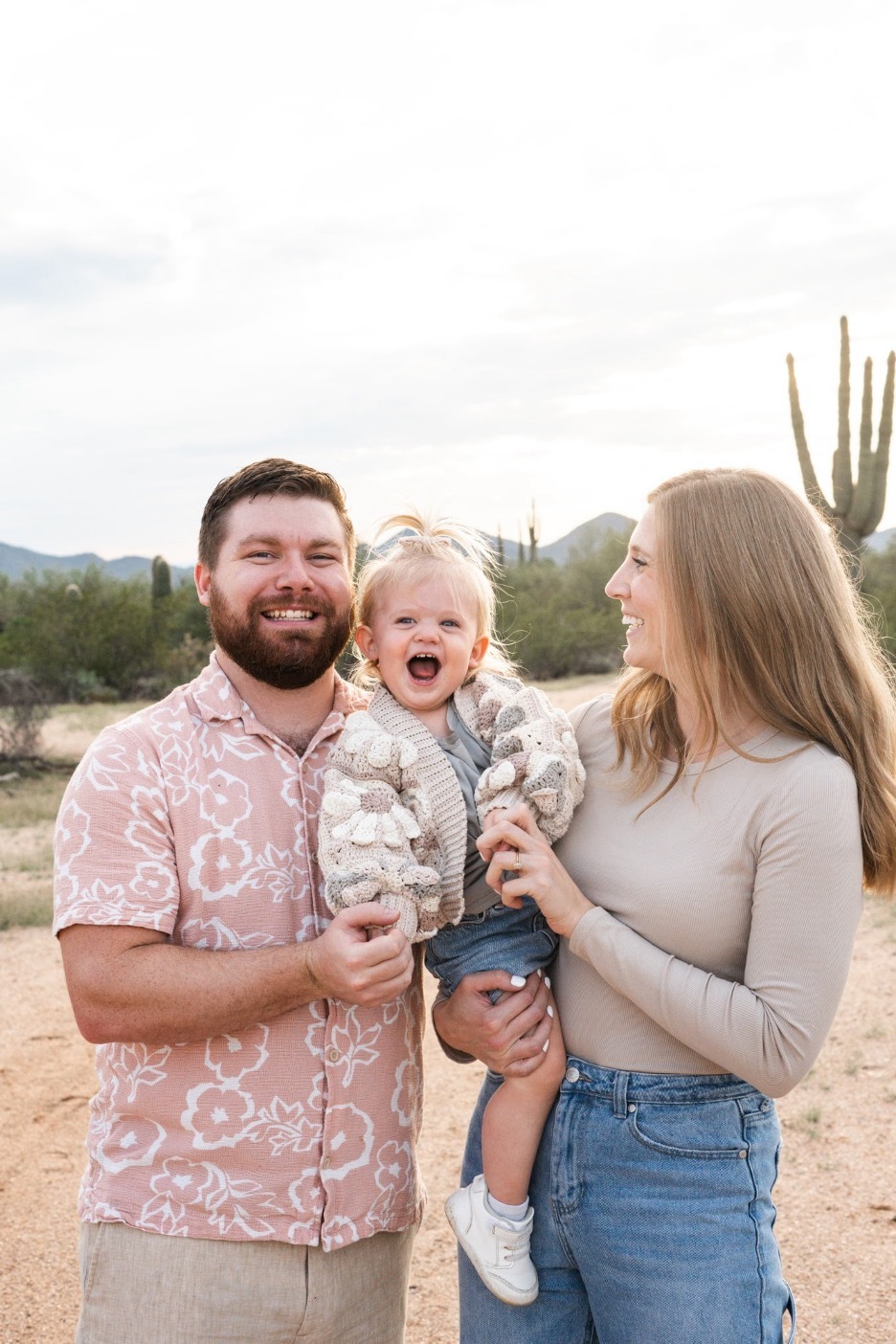
At one point in 2026, seven (four male and three female) of our twenty residents were expecting a baby. Several of these residents were first time parents, while others already had children. Here at the University of Arizona College of Medicine - Phoenix, we don’t believe orthopaedic surgical residency and having a family are mutually exclusive. Challenging, yes. Exhausting, yes! But, “you always find a way to make it work,” says Colby (father of two with wife expecting another girl in July 2026; See Figure 1).
_resident_with_his_wife_and_two_kids._he_and_his_wife_a.jpg)
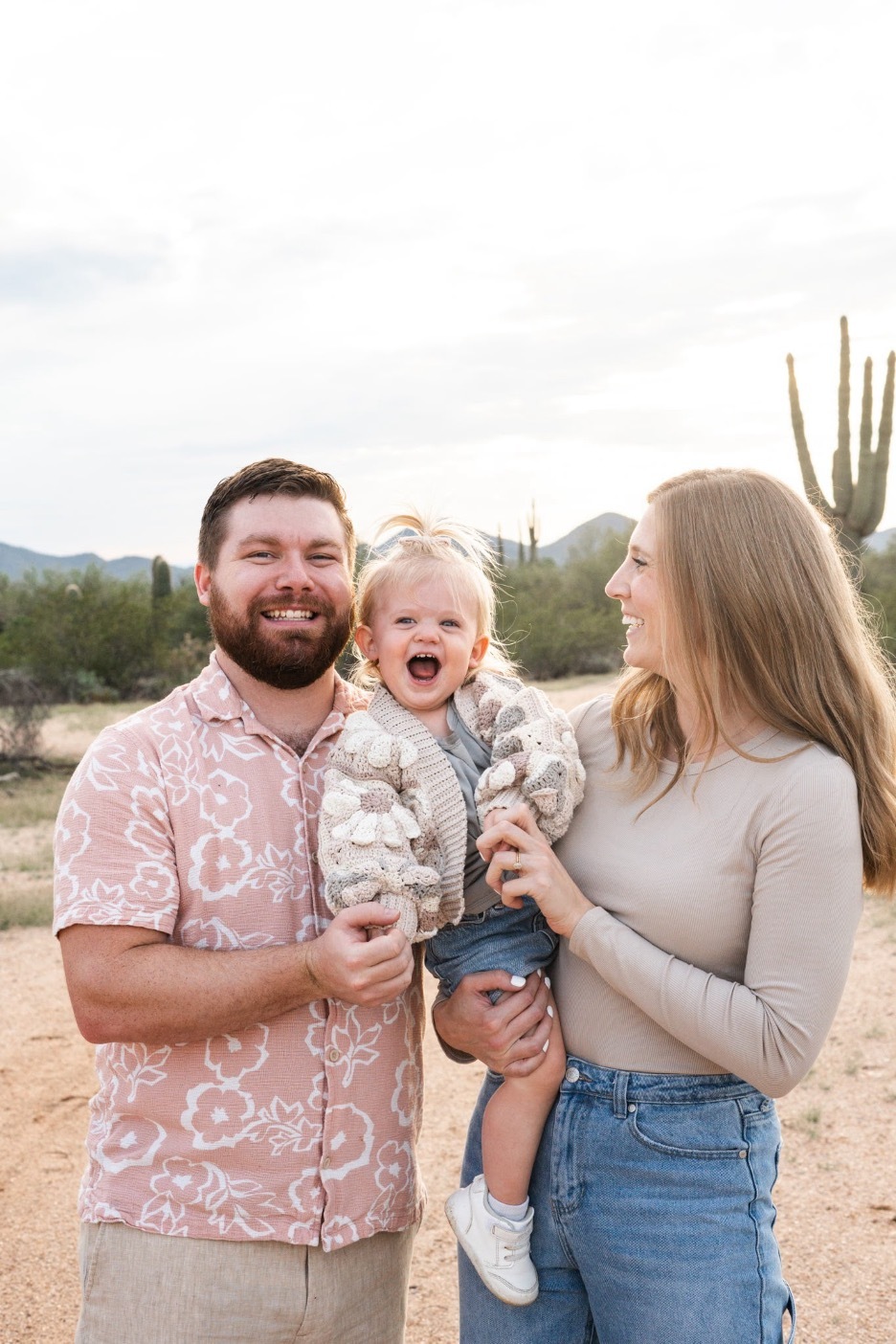
Our residents have weighed in on their experience; from the days (or weeks) you don’t see your kids at all (“those days suck because I miss my family quite a lot” - Adam, father of 1 with wife expecting #2 in July 2026; See Figure 2), to what it’s like operating while pregnant (“I was very sick with nausea and vomiting nearly every day” - Lea, new mom as of March 2026), to managing parental leave during a demanding residency (“…[I felt] supported [by the program]….taking 4.5 weeks of parental leave” - Ben, new father of 1 as of April 2026).
Here, you will hear the on-the-ground details about parenthood during orthopaedic surgical residency - what it looks like, how it feels, and what we’ve learned.
The physical, psychological, and professional burden of pregnancy during residency
Pregnancy is a taxing ordeal. It shouldn’t be surprising as you are literally growing a human, but each stage comes with new physical, mental and emotional challenges. When you pair this with an inherently demanding orthopaedic surgical residency, you are asking a lot of your body. It is well reported that women surgeons have higher risk of major pregnancy complications and miscarriages (Rangel et al. 2021). This is possibly due to the demanding nature of the job which leaves little time to eat, drink, or take a break, combined with the stress and long working. Lea was in her first trimester while working as chief of the orthopaedic trauma service, describing this time as the “hardest physical aspect of being pregnant during residency”.
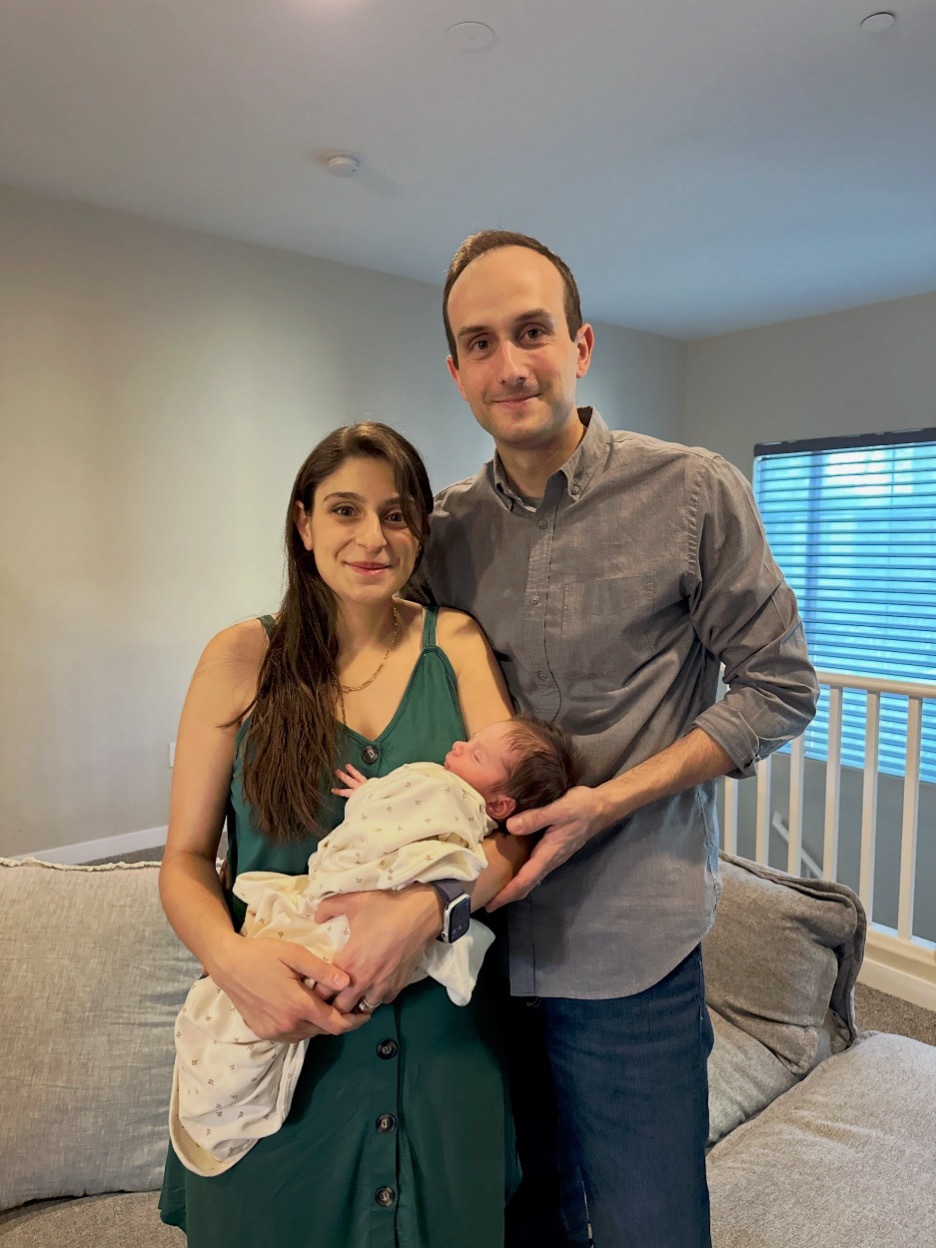
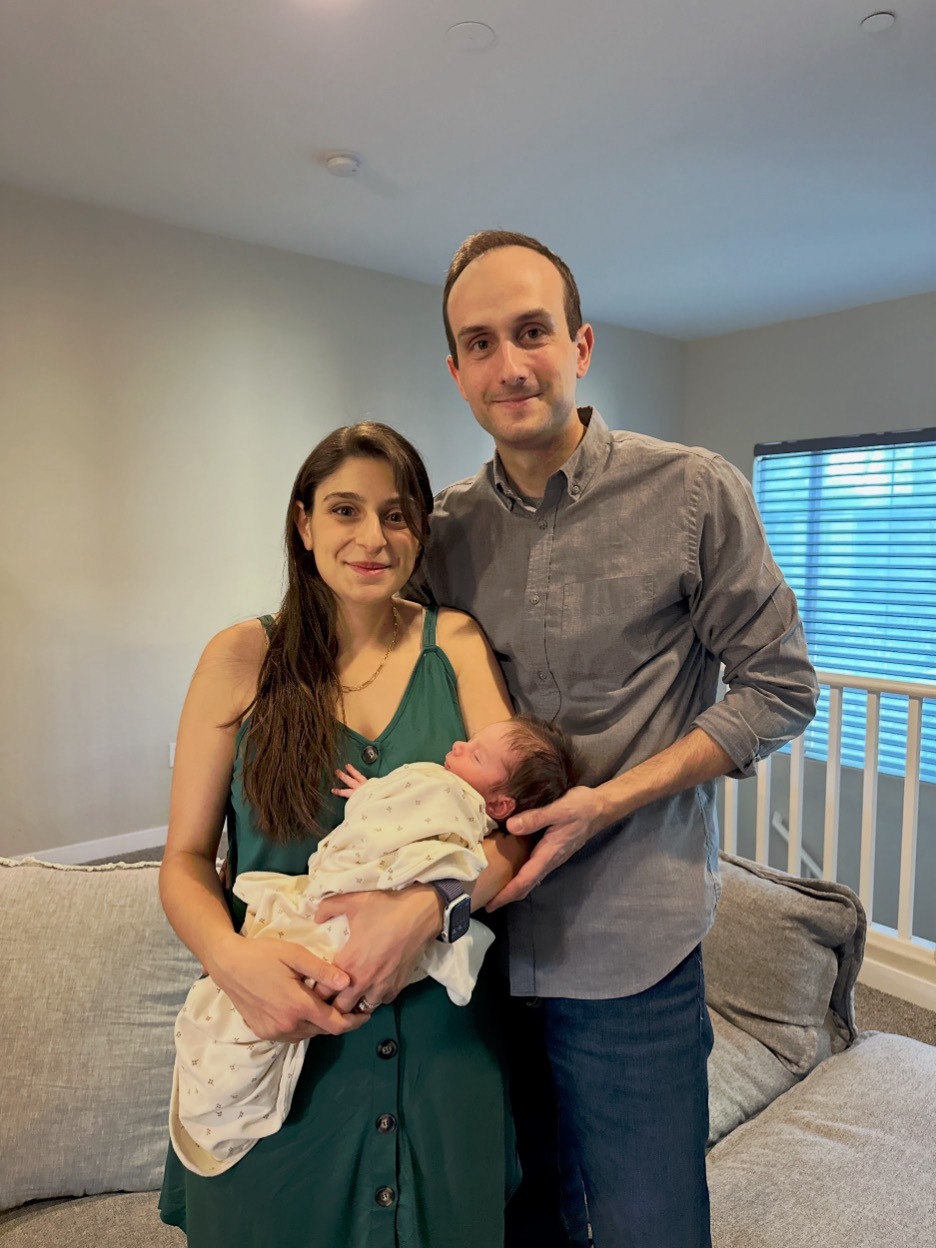
Nausea is common, but for some, it is severe and results in vomiting multiple times daily throughout the first trimester. Some may experience hyperemesis gravidarum, which can last the entire pregnancy. Despite this, there remains an expectation to perform clinically and surgically. Leeann (new mother as of April 2026; See Figure 3) had an experience where she briefly passed out in her first trimester. She learned to manage the physical demands, saying “I often had to step out of cases to grab a drink of water or sit down for a minute despite taking as many precautions I could think of [such as] eating breakfast, [wearing] compression socks and my own scrub caps, and using cooling towels.” Eventually, she became more vocal, letting everyone in the operating room know at the start of a case about her pregnancy to avoid awkward explanations while trying to avoid passing out. While it can be difficult to speak up as a resident, it is important to put the health of yourself and your baby first, and speak up if you need a break, glass of water or a minute to sit down.
Fatigue, reflux, and lightheadedness can become more prevalent in later stages of pregnancy. These effects on the body are especially poignant in the setting of a physical surgical residency. Standing for hours on end while dissecting, hammering and drilling is hardly the recommended passage of time for someone dedicating all their physical resources to the human parasite (AKA their loved and incredible baby) inside them. It can be an exhausting experience.
Any surgical training is difficult during pregnancy. But orthopaedic surgery poses additional hazards for pregnant moms. Fluoroscopic imaging is routine in the operating room, and the added radiation is a potential risk to the unborn child. There is also concern regarding potential teratogenic effects of polymethyl methacrylate (PMMA) cement, commonly used in orthopaedic procedures. Despite the lack of any studies on human embryos (there are only studies on rats who were exposed to high concentration of PMMA for multiple hours per day) (Harper et al. 2020), as an expecting mother, many women remain worried of the potential risk. Our residents managed these risks in in a variety of ways. For radiation risk, they wore additional abdominal lead (heavier and even more tiring), and used a fetal dosimeter to track the radiation to the fetus (it was undetectable!). Regarding PMMA, they either stepped out of cases while cement was mixing/hardening or used N95 masks. But this just adds another dimension to the experience - at what point is the pursuit of surgical training harmful to pregnant women and their children? And to what extent is pregnancy impacting surgical training?
To the first question, one of our residents said she was “constantly second guessing if I was doing the right thing for my baby.” She even obtained a fetal dosimeter to be aware of the radiation exposure to her child. Another resident similarly expressed concern about radiation as well as the strenuousness of the job: “…even with appropriate protection, it can still feel like you might be harming your baby…I was able to take breaks during long cases.” Pregnancy is a physical and emotional effort that is heightened with surgical training. However, due to short maternity leaves and an avoidance of long breaks in training, all three female residents in this program worked and operated up until a day or two before delivery.
Our residents did express concern that pregnancy was setting them back from a technical standpoint. “I think I personally thought it was affecting my training but never felt like staff felt that way…my ability to do cases, particularly strenuous ones, was affected. The time off also causes some stress with feeling like you are falling behind or losing skills,” says Lea. Others also shared their personal stress about not getting the same educational experience because of the distraction of pregnancy and time off. However, they never felt that the cases or clinical experiences they were assigned to were different in any way because of their pregnancy.
For pregnant residents, physical challenges don’t resolve with birth. In the post-partum period women need time to heal from the physical changes from labour and delivery, lactation, and lack of sleep, as well as the psychological and emotional challenges of having a newborn. It can be extremely difficult to return to the high demand nature of surgical residency so soon after birth, while being exhausted from sleep deprivation, and trying to find a place to pump milk.
The culture: supportive, but not frictionless
The old school image of Orthopaedic surgery has a reputation and we all know it – the gym-going “bros” of the hospital. This culture, anecdotally, has historically been relatively unsupportive of pregnancy and unforgiving of any failures to meet clinical duties or any leave of training – a poor recipe for parents that may need individual adaptation. However, things are different in 2026, and residency in the modern era has, hopefully, come leaps and bounds. Our residents expressed a universal feeling that our program has been extremely supportive, avoiding any overt negative stigmas. Lea mentions that after disclosing her pregnancy, she never felt “like a liability” to the program.
Furthermore, peer support emerged as a consistent theme, with co-residents frequently assisting with schedule adjustment and trading call responsibilities. Adam says “fellow residents have always been great,” highlighting the importance of collegial support systems in navigating pregnancy during training. Flexible scheduling arrangements and informal accommodations often helped residents continue meeting clinical and operative responsibilities while managing the physical demands of pregnancy and early parenthood.
Despite these positive developments, there is an underlying expectation to independently manage the logistical and physical challenges of pregnancy in ways that minimized disruption to the program and their colleagues. Accommodations were often informal and dependent on the goodwill of co-residents rather than embedded within standardized institutional structures. Leeann says, “it’s up to the individual… to minimize disruptions.” This sentiment reflected a broader tendency for expecting mothers and fathers to be accountable and ask for support early and clearly without an expectation for unreciprocated coverage.
Time is the primary currency
Perhaps the greatest challenge of residency is time scarcity. For nearly all endeavors in life, there is a certain amount of time required to make you feel you are putting forward an adequate effort. Becoming an orthopaedic surgeon demands a significant chunk of time, as does parenting. This inevitably creates conflict, as residents strive after excellence in all aspects of life, but fail to make ends meet with their time assets.
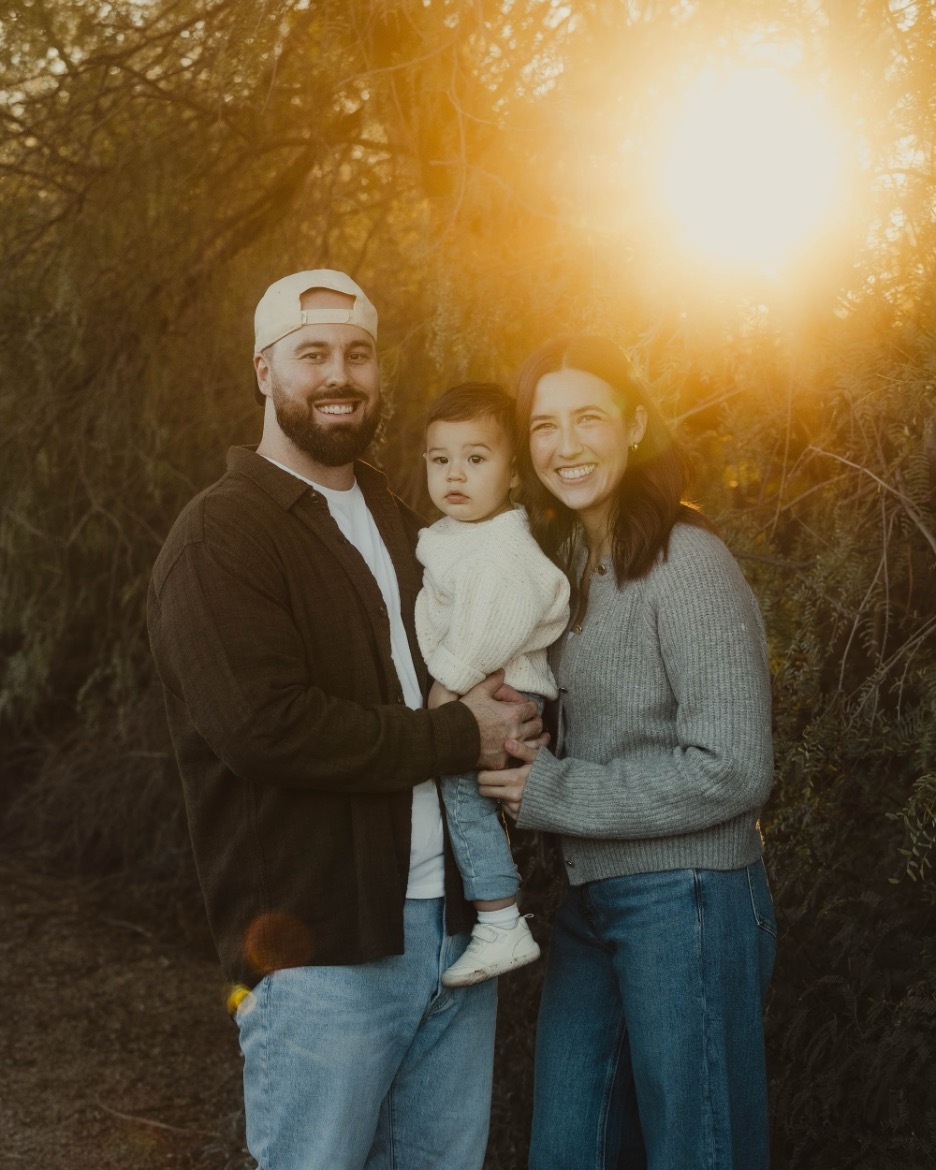
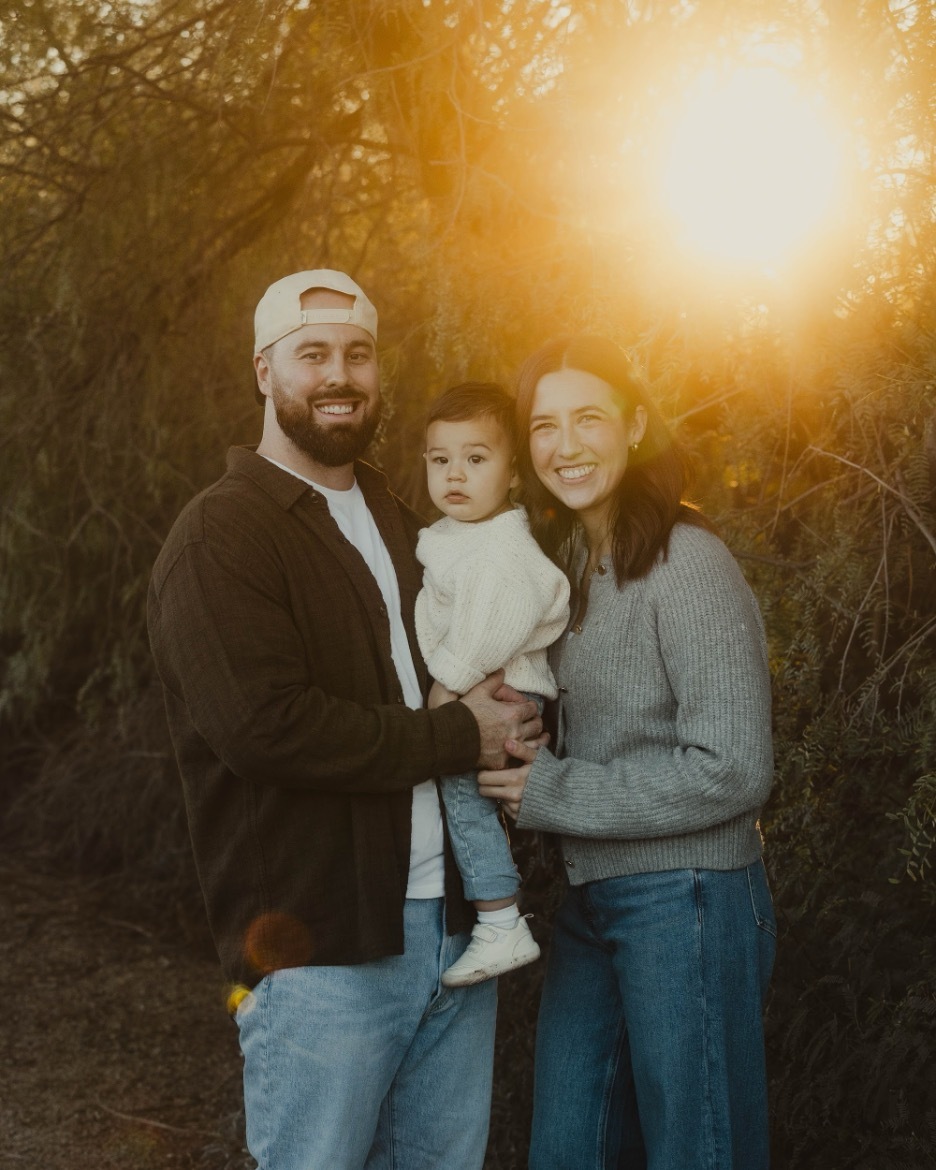
Most consistent across our residents’ experiences is the pressure of these time demands. “[I have] been waking up at 4 AM to prepare for cases and [I] try going to bed close to around the same time my son does, to give more time for studying/case prep,” says Jordan (father of 1, with wife expecting in August 2026; See Figure 4).
Meanwhile, Adam says, “I really struggle to find time to study in my free time, as I end up spending the first few hours after getting home hanging out with my daughter and putting her to bed, and then the next bit eating my own dinner and hanging out with my wife. By the time she goes to bed, I still have to shower, prep cases, and try to do some work before getting too tired”.
Colby’s experience is similar: “It never feels like there is enough time to be both a good dad, and a good resident. I’m constantly re-directing my attention to the area of my life that has been most neglected recently - as soon as I catch up, I find that the other area needs renewed attention.”
A common theme among residents with children is that “extra” activities, such as happy hours, social events, even conferences and courses, “cost” more because the alternative is those precious hours with spouse and kids. While intentional time management certainly maximizes time committed to surgical training and to family, residents often find that leisure time with family is a luxury only allowed after diligent care for their clinical duties.
The partners shoulder the burden
Due to the significant and unpredictable time requirement of residency, much of the burden of having a family falls on our partners. Both before and after the arrival of a new baby, the partners can find themselves more isolated and with less support from their resident counterpart. This has been true for many of the wives in our program.
Colby says, while his wife was in her first trimester, “I walked out of a case to a text from my wife that she was sitting in the ED with our neighbor, getting IV fluids at the recommendation of her OB, because she hadn’t been able to keep any food down in several days.” When residents aren’t available, partners have benefitted greatly from strong support systems, both within and out of the residency community to deal with the challenges of pregnancy. Residents have often felt that they are unable to be present for their partner as much as they’d like to be, making that support essential.
“One thing that’s been really impactful for my wife has been a group chat among the pregnant spouses and residents “Banner Moms”. It’s created a strong support system during a time when partners often end up taking on a lot of the extra responsibilities and missed chores that come with residency. Having that kind of community to lean on has been incredibly meaningful for our family,” says Jordan.
After the baby is born, the responsibilities change but partners continue to pull a heavier load. Adam describes their situation this way: “My wife works from home full time and watches our daughter full time, and we only have outside help (her parents) regularly scheduled one morning a week to coincide with meetings my wife has to attend. She does a huge amount of the parenting because I am gone before either of them wake up. If I am on a rotation with a nicer schedule then I can be home for dinner and bedtime, but on some blocks I am home late and don’t see my kid (or sometimes my wife too) at all that day. Those days suck because I miss my family quite a lot. On weekends and days off I try to be the sole responsible parent to give my wife a break, but often I am also trying to get house work or projects done, and I usually still need her help to watch our daughter during those times.”
For Ben, his wife left full-time work to be home full-time with their newborn. “The non medicine partner has to share the load of family care unless you have a nanny or family [that can step in].” Introducing a child into the family adds new responsibilities that require adaptation, and for residents in a fairly inflexible training pathway, much of those adaptations are made by strong partners.
Financial pressures
Financial pressures are another source of stress that arise when having a child. While all our residents have access to exceptional health insurance through our hospital system, there are still costs associated with pregnancy, birth, and childcare. Some partners opt to leave the workforce for parenthood, which can lower the family income, and others may be forced to step back from work due to high cost of childcare. Some partners, such as Colby’s and Adams’ wives, watch the kids full time but continue to work full or part-time from home.
When asked if having a family causes any financial burdens, Adam said “Absolutely. The reason my wife still has to work nearly full time and also watch our child full time is that we can’t afford childcare.”
Colby’s experience is similar: “My wife works part-time just so we have some spending flexibility and pregnancy makes it challenging with her unable to work as much.”
These financial strains highlight the reliance of residents on partners to adjust day-to-day schedules. In many instances, this results in a “loss of autonomy” concerning career choices and work hours.
What’s the upside!?
Having a family in residency presents significant challenges – from the physical demands of pregnancy to the toll on relationships and careers after the baby arrives. Despite this, our residents emphasized the upsides of having a family during surgical training.
Common themes among our residents include the increased sense of purpose, the more intentional use of time, and emotional grounding that comes with having a family. Jordan says his family “gives me a really meaningful perspective when caring for patients and their families.” This perspective involves finding purpose outside of medicine - which tends to be all-consuming as residents dedicate the majority of their 20s and 30s to their surgical training. Stepping away from the ever-present pressures to study from medical literature, develop technical skill and improve patient care in order to focus on the needs of a family seems to provide a balance to residents that brings fulfilment and meaning. “My family is the best part of my life. It grounds me and gives me purpose,” says Colby on the topic.
Families also tend to change the lens through which residents view their time allocation. Colby’s experience is that he does miss out on social aspects of residency, but that his family “drives me to do more with the time I do have.” This is likely just a matter of time currency - when there are greater demands on your time, you find ways to maximize efficiency. Having a family in residency changes the way you approach your work, prioritize, and it may even help you work more efficiently.
Practical adaptations
A family drastically changes the residency experience. So, how are our residents responding to these changes?
First, pregnancy and parenthood at times have inflexible time requirements. This resulted in many of our residents trading rotations in order to align OB appointments, 1st trimester nausea, and time off for childbirth and post-partum period with more flexible rotations. Open communication within our program to discuss leave and call requirements was essential, as was a general sense of camaraderie as we all had to cover for one another to meet our clinical duties. These conversations took place throughout all stages of planning a family, as initial rotation schedules were determined with family plans in mind. Many of us discovered that family planning rarely goes smoothly, can be unpredictable, and requires changes throughout the year as the pregnancy evolves. The decision and timing of sharing the news about a pregnancy is very personal. While early reporting to the program and colleagues can make it easier to coordinate schedules and plan rotations for the duration of pregnancy, it is a very personal decision, and many may not wish to disclose the news early in the pregnancy (especially in an unsupportive program).
When it comes to adjustments made after children are introduced into the family, residents emphasized the utility of early mornings and late nights to accomplish study and work tasks. Regardless of when residents set aside time for work tasks, all parents made intentional choices to set aside time for these endeavors.
The logistics of parenthood are not the primary concern, however, but the maintaining and reinforcing family relationships with quality time and meaningful activities. Adam’s advice is to “schedule time for regular outings or events with your family on your actual schedule, and don’t skip those. It makes it easier to find time to do more than eat and sleep when you actually book it for yourself.” Due to his schedule, Colby finds meaningful time each night he gets home before the kids are asleep: “I typically take over any parenting tasks left when I get home (homework, bath time, bed time).” He also tries to “help at home by cleaning and preparing the house for my wife for the next day when I can.” These intentional uses of time are essential for not just surviving residency with a family, but thriving throughout it.
Finally, a strong and involved support system becomes dramatically more important for residents with kids. One of Adams key recommendations is to live closer to family and in-laws if possible, as “any car ride can be a barrier to asking for help watching the kids…which can be overwhelming when you’re needing help. I wish we [lived within] walking distance.” Many of our residents rely heavily on family for childcare. Staying close to a support group is essential.
Recommendations for programs
Having experienced pregnancy and family responsibilities during residency, we have several suggestions for programs to ensure a better experience for their residents.
First, and perhaps most essential, is flexibility. Our program, our leadership, and our residents have remained exceptionally flexible and willing to accommodate the ever-changing life circumstances of the families in our program. Part of this flexibility stems from the system we train in. After intern year, all of our rotations are 3 months. Most of our call coverage is at one academic level one trauma center. Many of our services have advanced practice provider assistance, meaning that the trauma service is the only service that is truly dependent on residents. This makes schedule changes relatively easy - as long as call is covered, and residents switch timing of rotations to avoid a trauma rotation during those times with high family time requirements, resident leave is not terribly disruptive. Our leadership has always been supportive when residents have been required to adjust their clinical duties for their family or pregnancy (stepping out of the OR due to bouts of emesis or leaving didactics early for OB/pediatrician appointments). Finally, we feel privileged to train alongside other residents that are willing to step in when needed to cover call shifts or operative cases when family responsibilities necessitate.
A second suggestion is to welcome residents AND their loved ones into the residency community. This is easily done by going out of the way to introduce yourself to and speak with the partners. While residency is challenging for the trainees, it is similarly challenging for partners that are handling added home responsibility, isolation, and lack of community support. Creating a welcoming environment for the entire family unit creates a more enjoyable working environment and provides needed support for partners and residents alike. Incorporating family-friendly events offers opportunities for relationship building that transforms a grueling residency experience into a shared journey, creating lifelong and meaningful friendships.
Along with this is being intentional about partner networks. Offering a space for interaction between partners is likely enough to begin a self-perpetuating independent support network. The “Banner Moms” group chat sees more action than our program chat most days now. During several of our program events there is a dedicated time for partners to meet together and enjoy their own social hour, further perpetuating these ties.
Finally, maintaining a non-punitive culture should no longer be a rare find, but the standard. The culture of medical training, and particularly orthopaedic surgical training, has changed drastically. However, it is still essential to make a deliberate effort to support and enable family life during residency. This can help improve the culture for the future generation of trainees and avoid unintentional marginalization of trainees who choose to become parents. Instrumental for many of our female residents was an attending orthopaedic surgeon who was open about her experience having children during her career. She was not shy about pumping during the middle of our fracture conferences, bringing her kids to research meetings, or discussing her family situations, thus creating a welcoming and accepting environment for any residents considering pregnancy and parenthood.
In closing
The journey of an orthopaedic surgical resident who chooses to become a parent is not for the faint of heart. From navigating the physical toll of pregnancy in the operating room to the constant struggle for time and the financial burden placed on the family unit, the challenges are significant. However, the collective experience of residents at the University of Arizona College of Medicine - Phoenix proves that orthopaedic training and family life are not mutually exclusive. Making it work relies on a few critical factors: the unwavering support and adaptation of strong partners, the intentional use of every moment by the residents themselves, and a structural commitment from the residency program to flexibility and a non-punitive culture. Ultimately, this dual pursuit does more than just challenge; it provides a profound sense of purpose and emotional grounding. Adam says it best: “I am so happy to be greeted with hugs and joy from my family and I wouldn’t trade it for anything.”